Ghost Shrimp - Complete Care Guide
Published: 2026-10-20 · FishyKart Blog
Ghost shrimp (Palaemonetes spp.) are small, nearly transparent freshwater shrimp popular both as aquarium pets and, historically, as cheap live feeder stock for larger fish - and that dual role is the real reason this otherwise easy species has such a mixed reputation for dying quickly. A shrimp bought as an undifferentiated "feeder" from a tank with no real husbandry behind it starts out stressed in a way a shrimp sold specifically for keeping generally doesn't.
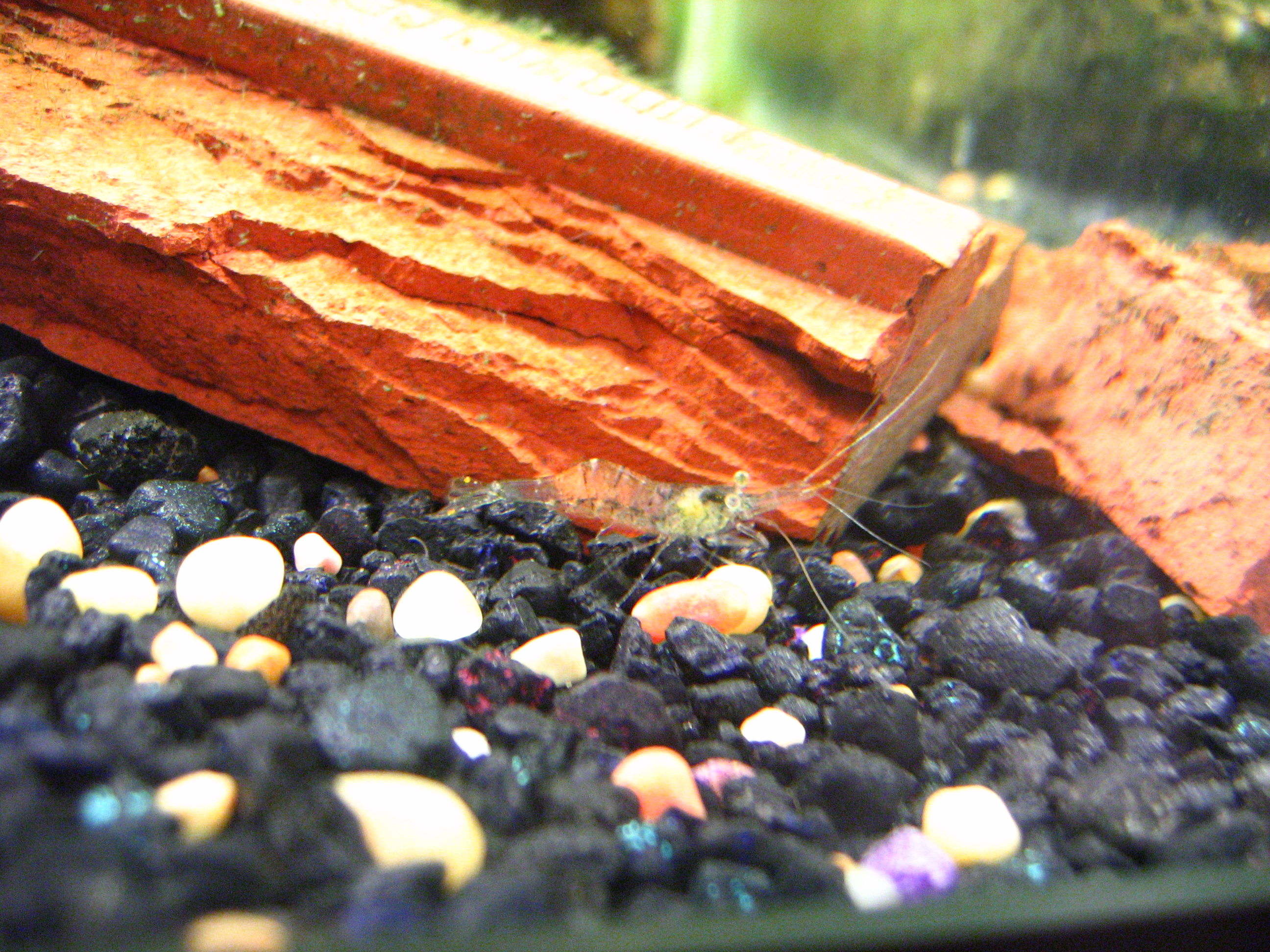
Photo: Enziarro - Wikimedia Commons, Public Domain
Tank Requirements
- Tank size: 5 gallons (20 litres) minimum for a small group
- Temperature: 18-26°C
- pH: 7.0-8.0
- Filtration: gentle flow - strong intakes can pull in small shrimp
- Plants/decor: dense planting or driftwood for cover, especially post-molt when the shrimp is soft and vulnerable
- Medication caution: avoid copper-based treatments in a shared tank - invertebrates tolerate copper very poorly
Why the "Dies Fast" Reputation Exists
Ghost shrimp sold cheaply and in bulk as feeder stock are often held in crowded, minimally-maintained tanks before sale - by the time one reaches a home aquarium, it may already be stressed or weakened. A ghost shrimp bought specifically as a pet, from a seller maintaining proper water quality, doesn't carry that same handicap and tends to do considerably better. The species itself isn't fragile; the supply chain often is.
Molting
Ghost shrimp molt regularly to grow, shedding a complete, translucent exoskeleton that can look startlingly like a second dead shrimp at first glance. Leave the shed shell in the tank - the shrimp will eat it to recover calcium for the next shell. A shrimp is at its most vulnerable in the hours right after molting, before the new shell hardens, so cover is important during this period.
Buy Ghost Shrimp Online
FishyKart's Ghost Shrimp are sold as aquarium stock, not bulk feeders, and are health-checked before listing.