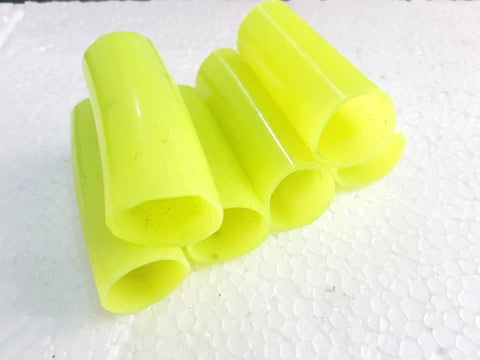
Hiding pipes
About & Function
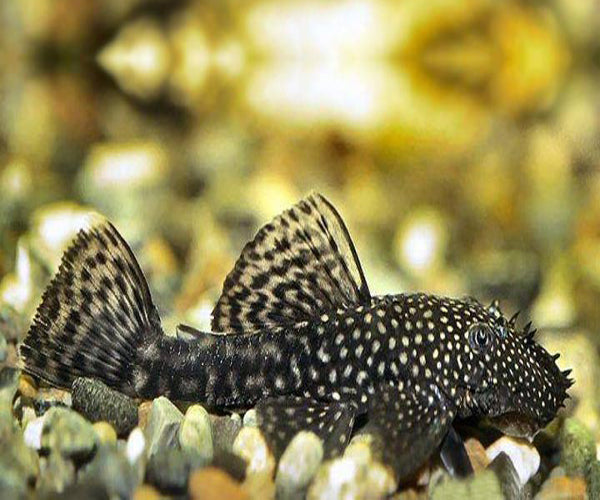
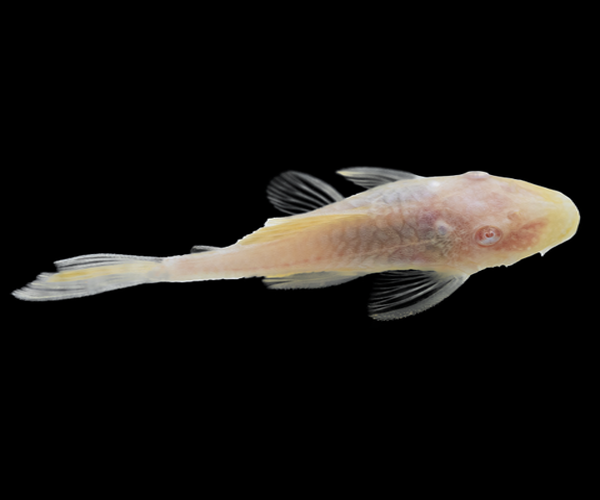
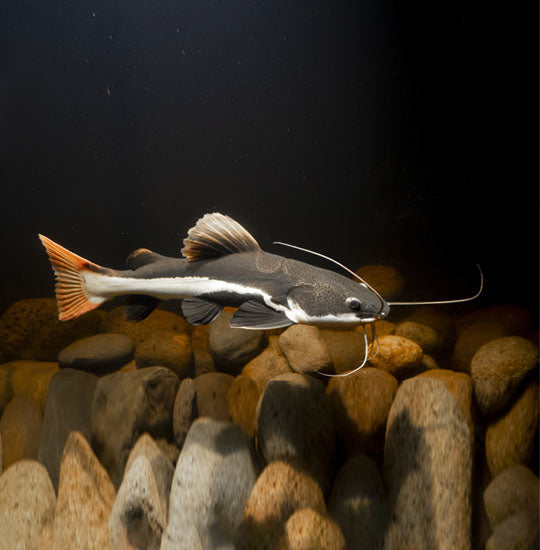
This pack of 4 hiding pipes gives shy, territorial, or nocturnal fish exactly what they'd seek out in the wild: a tight, enclosed refuge to retreat into. In nature, most fish that use caves or crevices — catfish, cichlids, loaches, plecos, bristlenose, and many bottom-dwellers — rely on that cover to feel secure, avoid predators, and rest away from bright light during the day.
In a bare or sparsely decorated tank, fish that would naturally use this kind of shelter often show visible stress: hiding in corners, pacing the glass, refusing to eat in the open, or becoming unusually skittish whenever anyone approaches the tank. Adding a set of pipes like this gives them a legitimate retreat, which in most cases noticeably calms that behaviour within days.
Pipes are also a practical solution for breeding setups — many cave-spawning fish (certain cichlids, plecos, corydoras) will use a pipe as a spawning site, and having several identical pipes spread through the tank lets more than one pair or individual claim their own space without constant conflict over a single hiding spot.
Because they're a simple hollow tube shape, these pipes are easy to place, easy to clean, and don't compete for space with plants or other hardscape the way a large rock or driftwood piece might.
They're a small addition, but the behavioural difference they make is often surprisingly large — many keepers report previously reclusive fish becoming visibly more confident and active within the tank once genuine hiding cover is available.
Unlike live rockwork or driftwood, these pipes are typically a uniform, inert material, so they don't leach tannins, alter water chemistry, or need the pre-soaking and curing that natural wood pieces often do — they can go straight into a tank as soon as they're rinsed.
Requirements
Hiding pipes are entirely passive decor — no power, no plumbing connection, nothing to install beyond placing them in the tank.
Sizing and placement: the pipe's inner diameter should comfortably fit the body width of the fish that will use it, with a little room to turn around — too tight and the fish won't use it, too loose and it won't feel like real cover. Placing pipes at different depths and partially buried in substrate, tucked among plants, or stacked together mimics a more natural, varied habitat and lets multiple fish claim separate territories.
Material safety: rinse thoroughly in plain water (no soap) before adding to the tank to remove any manufacturing dust or residue, and check for rough or sharp edges that could injure fins as fish swim in and out — a quick run of a finger around both rim openings is enough to catch anything that needs sanding down or returning.
Quantity: for territorial species (many cichlids, some plecos), it genuinely helps to provide more hiding spots than there are territorial individuals — this is exactly why they're sold as a pack of 4 rather than a single piece, since one shelter in a tank with several territorial fish is a near-guaranteed source of ongoing conflict over who gets to use it.
They suit tanks of essentially any size, from a small species tank up to a large community setup, simply scaled by how many pipes you use and where you place them. Since they're lightweight, unlike heavy rock hardscape, they're also easy to reposition later if you find fish aren't using a particular spot, without the risk of a shifting rock stack that heavier natural decor can carry.
Compatibility

Care & Maintenance
No water parameters are affected by these pipes on their own — the "care" here is about hygiene and integration into the tank rather than chemistry:
- Rinse before first use: plain water only, no soap or detergent.
- Check for waste buildup: enclosed spaces like pipes can trap leftover food or waste out of sight; periodically lift and inspect them, especially in tanks with heavy bottom-feeders, and rinse if needed during routine maintenance.
- Algae growth is normal: over time a light film of algae or biofilm will develop on the surface, which is harmless and often even grazed on by shrimp, snails, and algae-eating fish — it doesn't need aggressive scrubbing.
- Material: typically a food-safe, inert plastic or ceramic that won't affect pH or water chemistry; there's nothing to dose or replace on a schedule.
- Stability: make sure pipes are settled securely on the substrate or wedged against other decor so they can't easily roll or shift, particularly in tanks with larger or more active fish.
- Sharp edges over time: ceramic or ceramic-look pipes can occasionally chip at the rim with rough handling during cleaning — check periodically and retire any piece that develops a sharp edge.
- Trapped fish check: very rarely, a larger fish can wedge itself into a pipe sized for a smaller species and struggle to reverse out — matching pipe diameter to your actual fish avoids this, and it's worth a glance the first few days after adding new pipes to confirm everyone fits comfortably.
- Longevity: being inert and largely indestructible under normal aquarium conditions, these pipes don't degrade or need periodic replacement the way porous natural materials sometimes do — a rinse-and-inspect routine during regular maintenance is normally all they ever need for the life of the tank.
With an occasional rinse and inspection during regular tank maintenance, these pipes need essentially no ongoing upkeep and typically last for the life of the tank.