Best Fish for an Outdoor Pond by USDA Climate Zone
Published: 2026-10-31 · FishyKart Blog
The best fish for an outdoor pond in most of the US are common goldfish, comets, shubunkins and koi: they survive water near freezing if the pond is deep enough and has an opening in the ice. Your USDA hardiness zone decides how much winter protection they need, from almost none in zones 9-11 to deep water plus a de-icer in zones 3-5. Tropical fish are summer guests only.
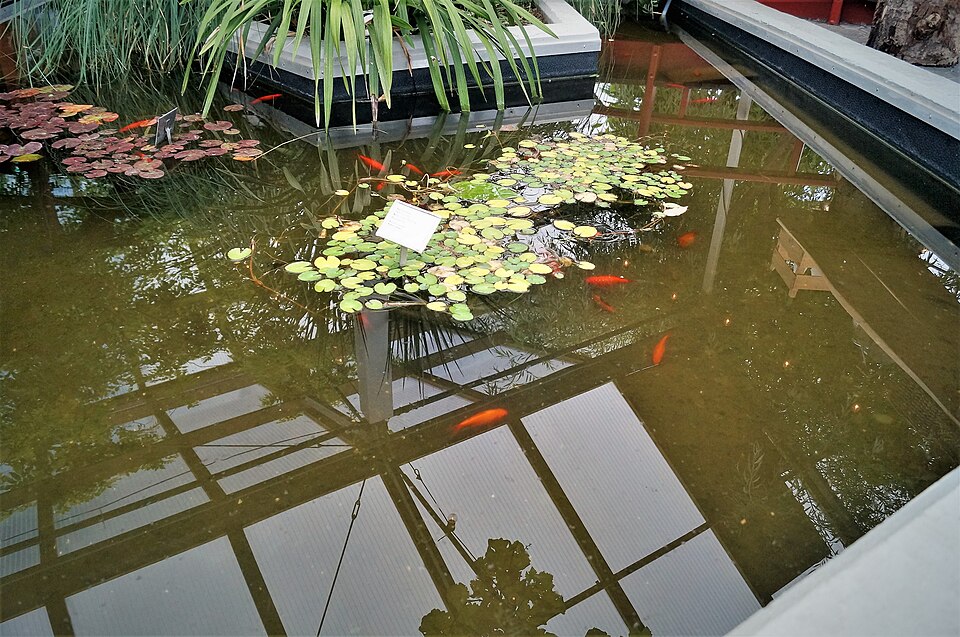
Photo: Alexander Grebenkov - Wikimedia Commons, CC BY 3.0
How to Use the USDA Zone for Fish
The USDA Plant Hardiness Zone Map (2023 edition, 1991-2020 data) divides the US by the average annual extreme minimum winter temperature in 10 F steps. It was made for plants, but the same number tells you how hard your pond freezes. Find your zone by ZIP code on the USDA map, then use the table below.
| USDA zone (coldest winter night) | What pond fish need |
| Zones 3-4 (-40 to -20 F) | Goldfish or koi only; deep pond or bring fish in; de-icer all winter |
| Zones 5-6 (-20 to 0 F) | Goldfish, shubunkins, koi; de-icer or aerator; long ice cover common |
| Zones 7-8 (0 to 20 F) | Goldfish, koi, native minnows; brief ice; keep a hole open in cold snaps |
| Zones 9-11 (20 to 50 F) | Goldfish, koi and more; ice rare; summer heat and low oxygen are the bigger risk |
Zone ranges from the USDA map; fish advice is general and assumes a pond of reasonable depth.
Year-Round Pond Fish
- Common goldfish and comets: the toughest choice; they reach about 12 inches in a pond and handle cold water well. See how big goldfish get.
- Shubunkins: single-tailed calico goldfish, as hardy as comets.
- Koi: hardy but large (24-36 inches) and long-lived; plan for 1,000+ gallons. See koi fish care.
- Fathead minnows (rosy reds): small North American minnows that tolerate cold; good in small ponds, where they also feed on insect larvae.
Fancy goldfish such as orandas and ryukins are slower and more delicate; in zones 3-6 they are safer indoors over winter. The difference between body types is explained in types of goldfish.
Cold Zones (3-6): Depth and an Open Hole
Ice is not what kills pond fish; a pond that freezes solid, or a sealed lid of ice that traps gases, is. Iowa State University Extension advises that in the Midwest, a pond without a pump or heater must be at least 4 feet deep, or the fish should be moved indoors to a tank, often kept in an unheated garage. With a floating de-icer or an aerator holding a hole open, shallower ponds can work, but the fish still need a deep, still zone to rest in. Winter routine is covered step by step in koi pond in winter.
Warm Zones (9-11): Heat Is the Problem
In the South and Southwest the pond rarely freezes, but summer water can get very warm, and warm water holds less oxygen. Shade part of the surface with water lilies or floating plants, run a pump or air stone around the clock in summer, and avoid overstocking. Here goldfish and koi can be fed for most of the year because the water stays above 50 F.
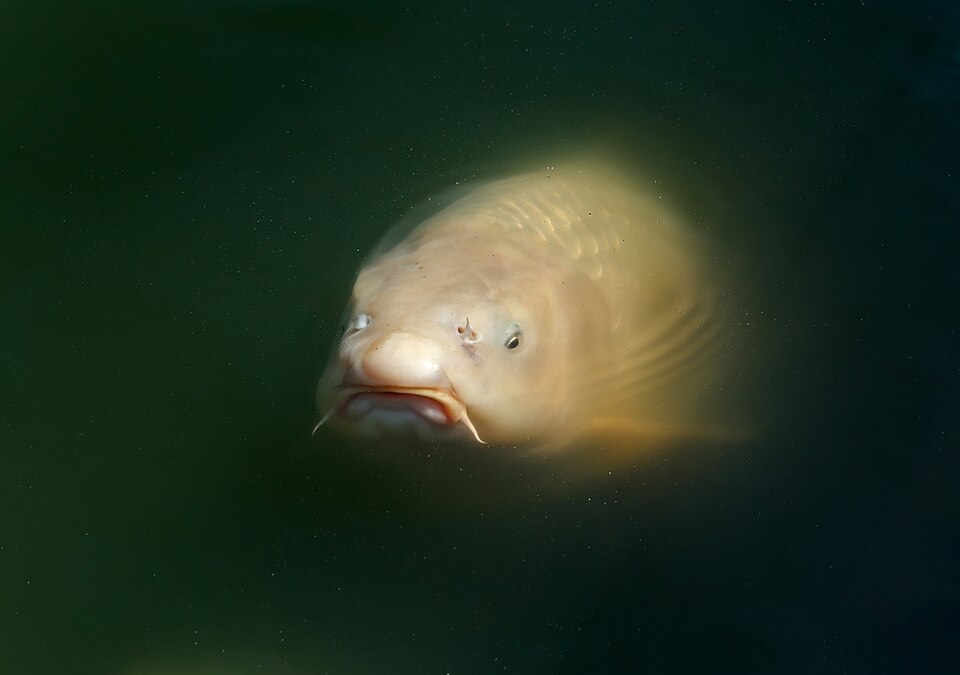
Photo: W.carter - Wikimedia Commons, CC BY-SA 4.0
Summer-Only Pond Fish
Tropical livebearers such as guppies and platies, and the coldwater white cloud minnow, can spend the warm months in a patio pond or tub. Guppies need water around 72-82 F, so they go back indoors well before autumn nights cool the water. Plan the indoor tank before you put them out.
Fish to Think Twice About
- Mosquitofish (Gambusia): effective on mosquitoes but harmful to native fish and frogs, and restricted in some areas. Use them only if your local vector control agency provides them.
- Plecos and other tropical catfish: not cold tolerant and grow large.
- Any fish from the wild: may be protected or carry disease.
Never Release Pond Fish
Goldfish and koi released into creeks and lakes grow large and damage native habitat. If you need to rehome pond fish, ask a local pond club or pet store. The same rule applies to pond plants: put them in the compost, not in a waterway.