Koi Pond in Winter: Feeding, Ice, Depth and De-Icers
Published: 2026-10-31 · FishyKart Blog
A koi pond in winter needs three things: no food once the water drops below 50 F (10 C), a hole in the ice so gases can escape, and enough depth that the bottom never freezes. Koi then slow down and rest near the bottom until spring. The biggest mistakes are feeding cold fish, letting the ice seal over, and smashing the ice with a hammer.
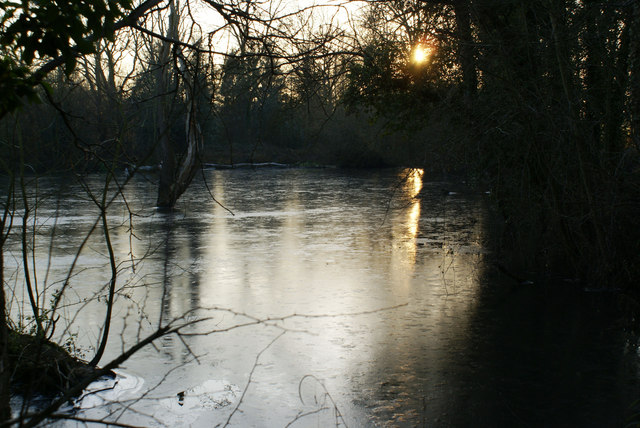
Photo: Colin Craig - Wikimedia Commons, CC BY-SA 2.0
Winter Koi Pond Checklist
| Water temperature | What to do |
| Above 60 F | Normal feeding and maintenance |
| 50-60 F | Feed less, smaller portions; clean out leaves and debris |
| Below 50 F | Stop feeding; switch off waterfalls; install de-icer or bubbler |
| Ice forming | Keep an opening of about 1 ft per 100 sq ft of surface |
| Spring, above 50 F | Restart feeding with small amounts; check filter and water |
The 50 F stop and restart point follows Kansas State University Research and Extension; the ice-hole size follows Iowa State University Extension.
Why Feeding Stops at 50 F
Koi are cold-blooded, so their digestion slows as the water cools. Below about 50 F (10 C) food sits in the gut and uneaten pellets rot on the bottom, using oxygen the fish need. Use a pond thermometer at fish depth and go by the water temperature, not the weather forecast. On a warm winter afternoon koi may come up and beg; do not feed them until the water itself stays above 50 F.
As the water cools in autumn, many keepers switch to a lower-protein, easily digested food in small amounts before stopping completely.
Keep an Opening in the Ice
A thin skin of ice is not dangerous. A complete seal is: fish and decaying leaves keep producing gases that need to escape. Keep a hole open all winter:
- A floating de-icer (a small thermostatic heater) holds a hole open; it does not warm the whole pond.
- An air stone or bubbler set high in the water also keeps a spot open in milder zones.
- Size the opening at roughly 1 foot across per 100 square feet of pond surface.
If the pond freezes over by accident, set a pan of hot water on the ice and let it melt through. Never hit the ice: the shock wave travels through the water and can kill fish.
Depth: How Deep Is Deep Enough?
Water is densest at about 39 F (4 C), so the warmest winter water sits at the bottom of a deep pond, and that is where koi rest. A pond that is too shallow can freeze to the bottom or swing in temperature too fast.
Iowa State University Extension advises a depth of about 4 feet so the pond does not freeze to the bottom, and in the Midwest an air pump or heater, or moving the fish indoors. With a de-icer or aerator, many hobby ponds in milder zones winter with less depth, but koi still need a deep, calm area. If your pond is shallow and your winters are hard, bring the fish indoors to a large tank. Not sure how hard your winter is? Check the zone table in best fish for outdoor ponds.
Pumps, Waterfalls and Filters
Kansas State extension recommends turning off waterfalls, streams and fountains for winter: moving water across rocks chills it. Keep any bubbler near the surface so it does not mix the warmer bottom layer with icy surface water. Clean the biofilter before shutting it down, and drain and store pumps that will not run.
Autumn Prep (Before the First Freeze)
- Net the pond or skim leaves daily; rotting leaves foul water under ice.
- Trim dying plant leaves below the water line.
- Do a partial water change and test the water.
- Check the de-icer and thermometer work before you need them.
- Look over each koi; treat any sick fish while the water is still warm enough for medication to work.
Spring Restart
When the water holds above 50 F, start feeding small amounts once a day and watch that food is eaten. Clean the filter, restart pumps and test ammonia and nitrite; filter bacteria are slow after winter, so a cautious first month prevents spikes. For year-round care and pond size, read koi fish care.