Betta Fish Not Eating? 9 Causes and What to Do Day by Day
Published: 2026-11-18 · FishyKart Blog
A betta fish not eating is usually telling you something about its water before anything else. The most common causes are water colder than about 75 F (24 C), ammonia or nitrite from a dirty or uncycled tank, stress after a move, and overfeeding that leaves the betta bloated. Check the thermometer and test the water first; most bettas start eating again within a few days once those are fixed. A betta that refuses food for more than 3-4 days in good water may be sick.
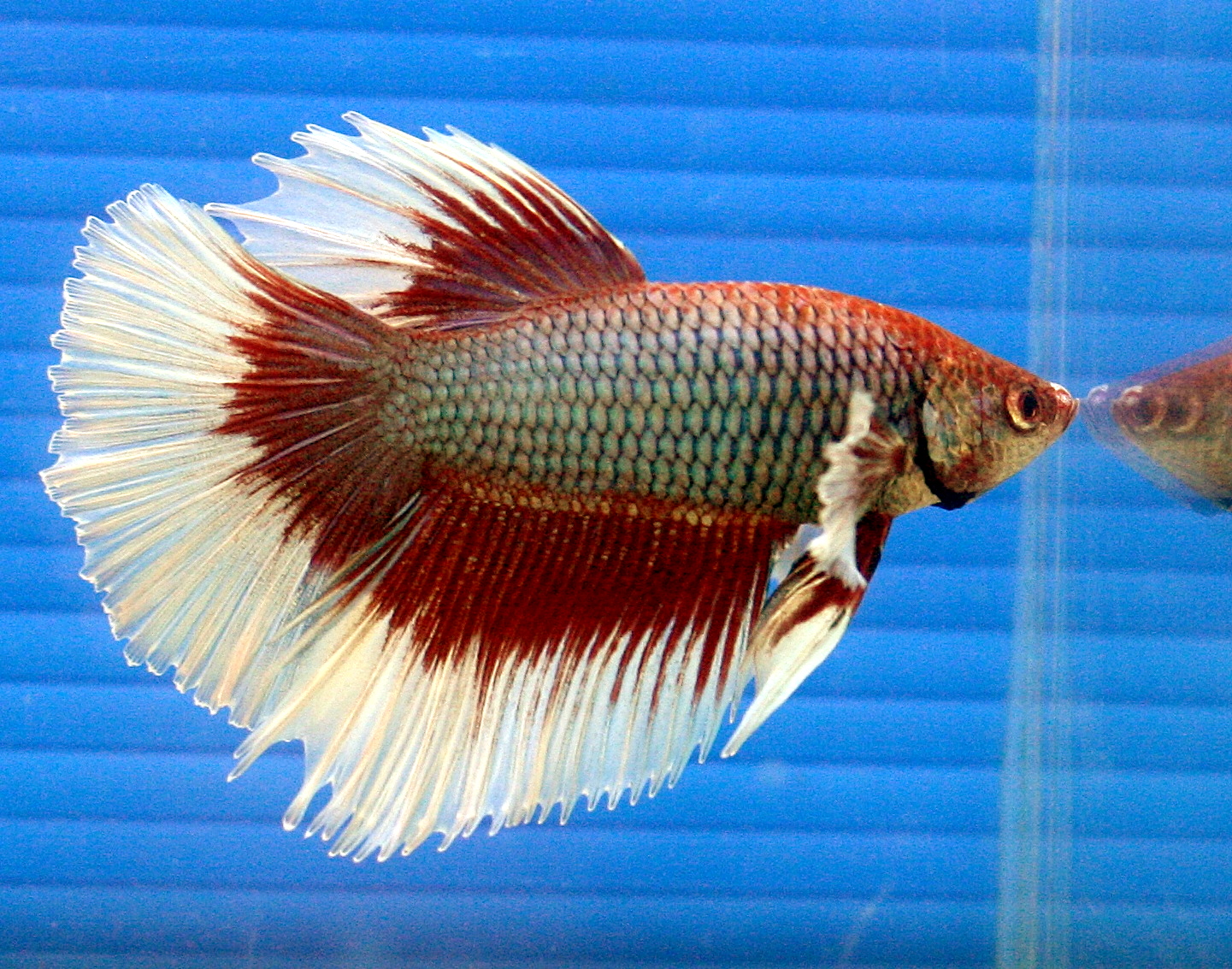
Photo: Lerdsuwa - Wikimedia Commons, CC BY-SA 3.0
Causes at a Glance
| Cause | Clues | First fix |
| Cold water | sluggish, rests on the bottom, no heater or heater failed | heater set to 75-80 F, raise slowly |
| Ammonia or nitrite | new or small tank, cloudy water, clamped fins | test, 25-50% water change with conditioner |
| Low oxygen | gasping at the surface, unfiltered bowl | gentle filter, water change |
| New tank stress | just bought or moved, hiding | dim light, small meals, wait 1-3 days |
| Overfeeding, constipation | swollen belly, uneaten food on the bottom | fast 1-2 days, then smaller portions |
| Wrong food | spits out pellets, ignores flakes | smaller betta pellets, frozen bloodworms or brine shrimp |
| Tank mates | others steal food, fin nipping | feed at one spot, rehome bullies |
| Poor eyesight | older betta, misses food near it | feed slowly, in the same spot |
| Illness | fin rot, white spots, bloating, color loss | clean water, then vet or targeted treatment |
Causes follow the list reviewed by veterinarian Dr. Karyn Kanowski, BVSc MRCVS, at The Vet Desk, which names water quality, low oxygen, toxins, stress, wrong temperature, food, blindness, competition, illness and overfeeding. The same source puts the minimum at 72 F with 75 F as the preferred low end.
Start With Temperature and Water
Bettas are tropical fish. Below about 75 F their metabolism slows and they eat little or nothing; many "picky" bettas are simply cold, especially in winter or in small unheated tanks. Our betta fish water temperature guide covers the 75-80 F target and heater sizing. If the temperature is right, test for ammonia and nitrite: both should be 0 ppm. Any reading above that means a water change today and a closer look at filtration; the steps for a safe partial change are in how to clean a fish tank.
What to Do, Day by Day
- Day 1: check temperature, test water, remove any uneaten food. Offer a very small meal once: 2-3 pellets.
- Day 2: if the belly looks swollen, skip food entirely. Otherwise try a different food, such as frozen bloodworms or brine shrimp, thawed.
- Day 3: do a 25% water change if you have not already. Look closely at fins, gills and skin for damage, spots or fuzz.
- Day 4 and later: still refusing food in warm, clean water, or showing any signs of disease, means it is time for an aquatic vet or a fish-experienced shop to look at the betta.
Do not keep dropping food in "just in case". Uneaten food rots and makes the water worse, which can turn a mild problem into a serious one.
Overfeeding: The Hidden Cause
A betta's stomach is small, and The Vet Desk notes that overfeeding leads to bloating, constipation and worse water quality. A constipated betta often stops eating for a day or two. Feed only what it finishes within a few minutes, and many keepers skip one day a week. Portions are explained in how often to feed betta fish.
When It Is Illness
Loss of appetite is an early sign of many betta diseases. Combine it with what you see: ragged or darkening fin edges point to fin rot; white salt-grain spots to ich; a swollen body with raised scales to a serious internal infection. Treat the water first, because most of these follow poor conditions, then use a targeted treatment or see a vet. An older betta, near the end of a typical lifespan, may also eat less as it ages; see how long betta fish live.