
About
Betta fish food is a fish food formulated specifically around bettas' biology: they're primarily carnivorous, with a small upturned mouth built for picking food off the water's surface rather than grazing the substrate. This food is typically a small, slow-sinking or floating pellet sized to match that feeding style, with a higher protein content than a generic flake food.
Good betta pellets lean on real protein sources (fish meal, shrimp meal, or similar) rather than being carbohydrate-heavy filler, since bettas don't process plant matter well and thrive on a more meat-based diet, closer to what they'd eat in the wild — insects, insect larvae, and small invertebrates at the water's surface.
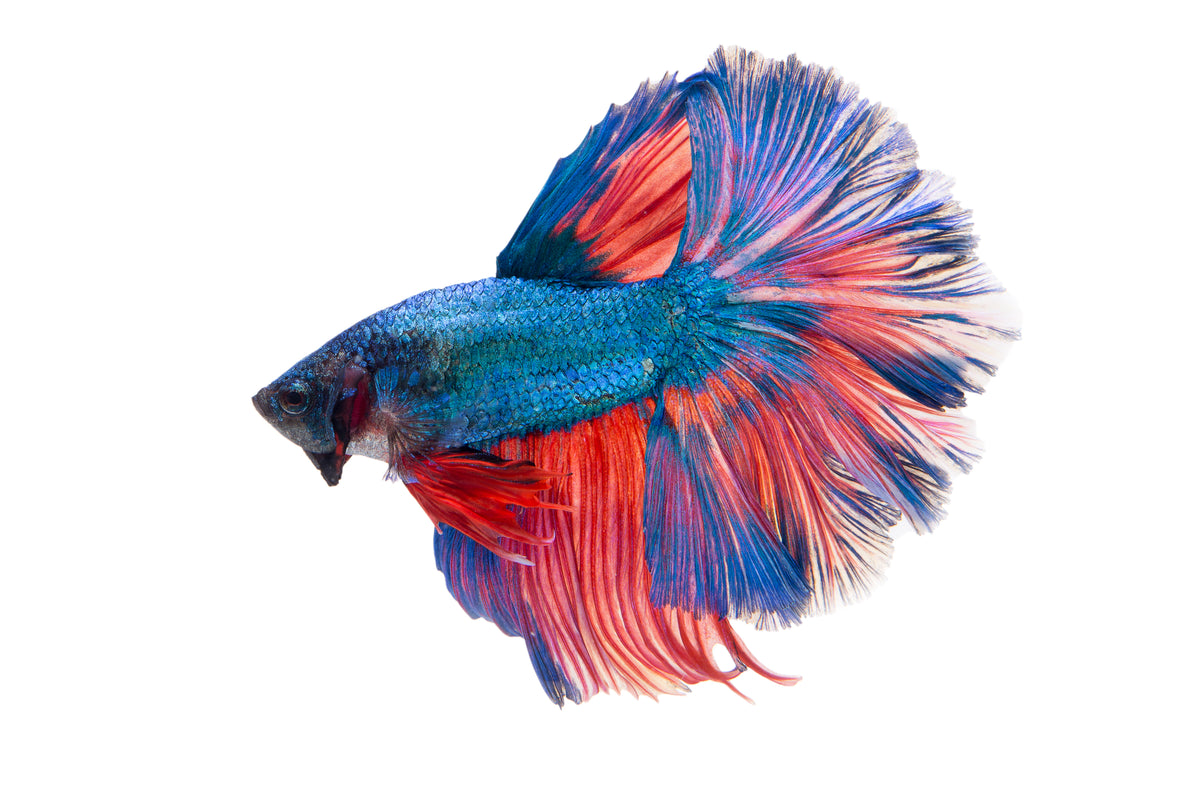
Many formulations also include colour-enhancing ingredients (like natural carotenoids) aimed at keeping a betta's fin and body colour vivid, which is part of why bettas are prized as a display fish.
Pellet size matters more for bettas than for many other fish, given how small their mouth actually is relative to their body — a pellet sized for a larger community fish can be genuinely difficult for a betta to eat comfortably, so betta-specific food is deliberately made smaller than most general tropical fish pellets.
Ingredient quality varies a fair amount between brands even within the "betta food" category — cheaper products sometimes lean more heavily on fillers (wheat, soy, or generic "fish by-product") than on named, whole protein sources. Checking the ingredient list for a named fish or shrimp meal near the top is a reasonable quick way to judge quality if you're comparing between a few options.
Requirements
Feed only what a betta can finish within one to two minutes, once or twice a day — bettas have a small stomach (roughly the size of their eye) and are prone to bloating and constipation from overfeeding, which is one of the most common health issues keepers run into.
Soak pellets briefly before feeding if your betta seems prone to bloating — some pellets expand after swallowing, and pre-soaking lets that expansion happen outside the fish instead of inside it.
Uneaten food should be removed after a few minutes rather than left to decompose in the tank, since bettas are often kept in smaller volumes of water where waste builds up faster proportionally.
Varying the diet occasionally with frozen or freeze-dried bloodworm/brine shrimp alongside the regular pellets gives a betta closer to the varied insect-based diet it would encounter in the wild, and many keepers find it also encourages a fussier eater to feed more readily.
New bettas sometimes ignore unfamiliar pellets for the first day or two after a stressful move — this is usually settling-in behaviour rather than a sign of illness, and most fish resume normal eating within a few days once they've adjusted to the new tank.
Compatibility
Feeding Guidelines
Simple guidelines keep bettas — which are notably prone to overfeeding-related bloat — healthy long-term:
- Feeding amount: a few pellets at a time, only what's eaten in 1–2 minutes
- Frequency: once or twice daily; consider one fasting day per week to help prevent constipation
- Storage: sealed, cool, dry place away from direct sunlight; discard if it smells rancid or stale
- Shelf life: best used within a few months of opening, as fat content in fish food degrades over time
- Bloating signs: a swollen belly, floating sideways, or loss of appetite can indicate overfeeding or constipation — a fasting day or two, and switching briefly to a small piece of blanched pea (a well-known betta remedy), often helps
- Packet size: small 20g pouches like this are sized for how little a single betta actually eats — buying a large tub for one fish usually means much of it goes stale before it's used up
- Consistency: feeding at roughly the same time each day helps you notice a genuine appetite change (an early illness sign) against a normal baseline, rather than random feeding times masking the pattern
- Floating vs. sinking: most betta pellets float or sink slowly, matching a betta's natural surface-feeding habit — a pellet that sinks quickly to the substrate is more likely to go unnoticed and uneaten