About & Origin
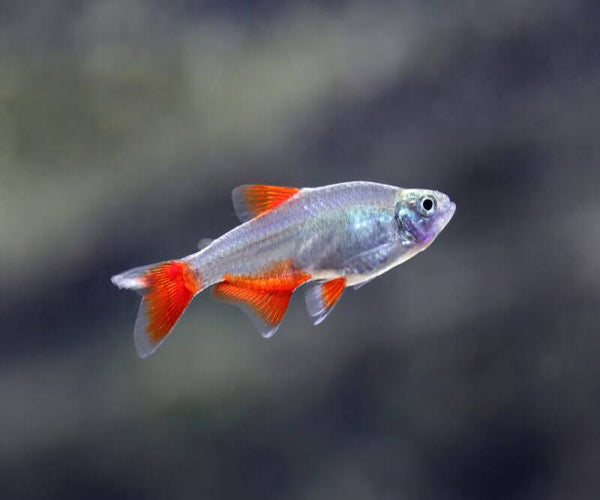
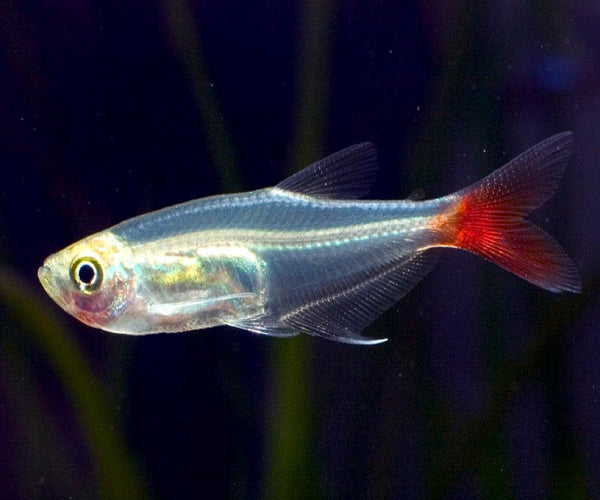
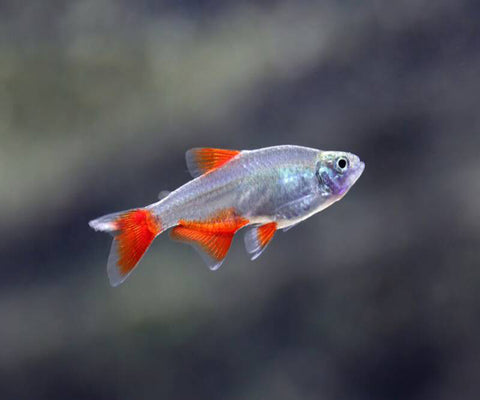
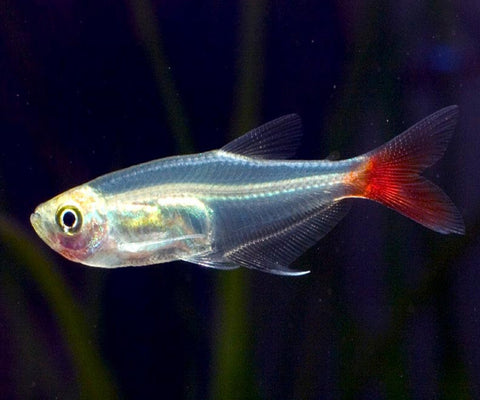
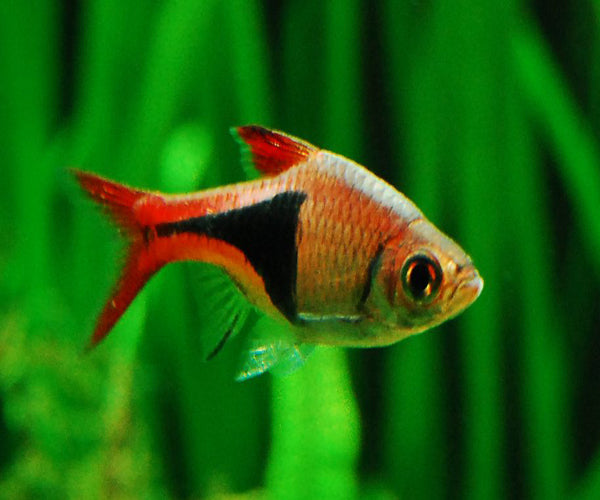
The Blood Fin Tetra (Aphyocharax anisitsi) is a small, silver-bodied tetra that hails from the river basins of Argentina, Paraguay, and southern Brazil — noticeably further south than most classic Amazonian tetras, which is part of why it tolerates cooler water better than many of its relatives. Its silvery body is set off by fins tipped in a bright, translucent red, giving the species its name.
It has been in the aquarium hobby since the early 20th century, valued for being hardy, active, and easy to keep — a reliable, attractive shoaling fish rather than a delicate specialist species.
Being from more temperate southern South American waters, it's naturally more tolerant of temperature swings than fish from the equatorial Amazon, and can even be kept without a heater in consistently warm rooms.
The Bloodfin Tetra (Aphyocharax anisitsi) comes from slow-moving stretches of the Paraná and Paraguay river basins in Argentina, Paraguay, and southern Brazil, where it forms large open-water shoals over sandy or vegetated bottoms.
Its silvery body with bright red-orange fins makes it one of the more visually striking of the classic "easy tetras," and it has been a mainstay of the aquarium hobby for decades due to its hardiness and adaptability to a wide range of water conditions compared to many South American tetras.
Unlike many small characins, Bloodfins are known jumpers, so a secure, well-fitted lid is genuinely important with this species — not just a general precaution.
Native to the slow-moving, well-vegetated tributaries of the Paraná and Paraguay river basins in Argentina and Brazil, the Blood Fin Tetra (Aphyocharax anisitsi) takes its common name from the vivid red-orange colouring across its otherwise silvery fins. It is an active, hardy characin that has been a mainstay of the community-tank hobby for decades thanks to its undemanding nature and constant, energetic movement through the middle and upper water column.
Requirements
An active, energetic shoaler — keep in groups of 6 or more, and note that it's a strong swimmer that appreciates open water to move through, alongside planting for cover.
It's a hardy, unfussy community fish, tolerant of a wider range of water conditions and temperatures than most tropical tetras, which makes it a forgiving choice for less experienced keepers or tanks that run slightly cooler than average.
Feeding is easy — accepts flake, pellets, and live or frozen foods readily.
An active midwater to upper-water shoaler; keep in groups of 6 or more, and give them enough open swimming space rather than a heavily obstructed layout, since they're fast swimmers that appreciate room to move.
One of the hardier South American tetras in terms of water chemistry tolerance, making it a good beginner shoaling fish, though it still does best with stable parameters and regular partial water changes rather than being treated as fully indestructible.
Omnivorous and unfussy — takes flake, micro pellets, and readily accepts live or frozen foods such as brine shrimp and daphnia.
A tank at least 60cm long gives this fast, active shoaler enough room to display natural swimming behaviour without feeling cramped.
Blood Fins are notorious fin-nippers in groups smaller than six, directing that energy at each other and at slower, long-finned tankmates instead of dispersing it through normal shoaling behaviour — a full group of eight or more largely resolves this by spreading the pecking order across many fish rather than a few targets. They are also prone to jumping, so a tightly fitted lid is essential.
It accepts a wide range of foods without fuss and does well in a community setup alongside other mid-sized, similarly active fish; very slow or heavily long-finned tankmates are the main thing to avoid given its nipping tendency in small groups.
It does best in an established, cycled tank rather than a brand-new setup, since like most active characins it is sensitive to ammonia and nitrite spikes during early cycling.
Compatibility


Water & Care Conditions
One of the more temperature-flexible community tetras, tolerating cooler water than most:
- pH: 6.0–8.0
- Salinity / hardness: freshwater only, tolerates soft to fairly hard water
- Temperature: 18–28°C (64–82°F) — unusually wide range for a tetra
- Light: not light-sensitive; does well under moderate to bright lighting
- Oxygenation: standard filtration is sufficient; a genuinely hardy, adaptable species
- Hardiness: one of the more temperature- and water-quality-tolerant tetras, able to handle cooler unheated setups down toward 18°C for short periods, though steady mid-range tropical temperatures are best long-term
- Activity level: a fast, active swimmer that benefits from open swimming space at the front/middle of the tank rather than a heavily obstructed layout
- Feeding: unfussy, takes flake, pellets, and frozen/live foods readily
- Longevity: a well-kept Blood Fin commonly lives 5 years or more, longer than many small tetras
- Tank position: as an upper/mid-water swimmer, it appreciates open space at the top of the tank rather than a heavily obstructed layout
Bloodfins are considerably more tolerant of harder, more neutral-to-alkaline water than most Amazonian tetras, which is part of why they've remained such a popular, easy community fish.
As with most active shoaling characins, good filtration and a secure, tight-fitting lid are important — this species is a confident jumper and startles easily.
Weekly partial water changes of 20-30% help keep Bloodfins colourful and active, since like most small characins and rasboras it's sensitive to accumulating nitrates and organic waste over time even though it isn't considered a delicate species.
A mature, cycled tank with established biological filtration is a much safer home for a new shoal than a freshly set-up system, since ammonia and nitrite spikes during cycling are a common cause of losses in small schooling fish.