About This Combo
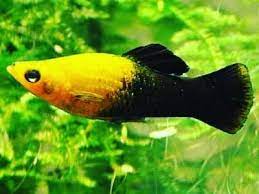
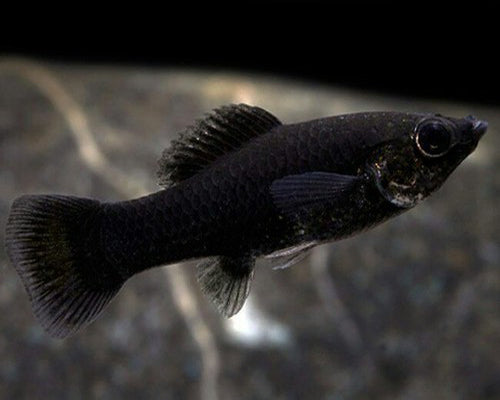
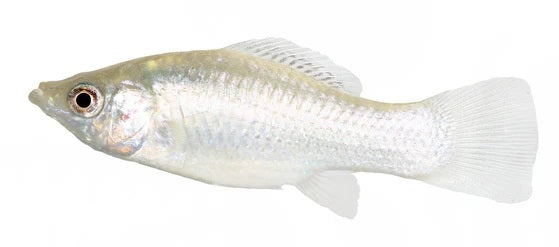
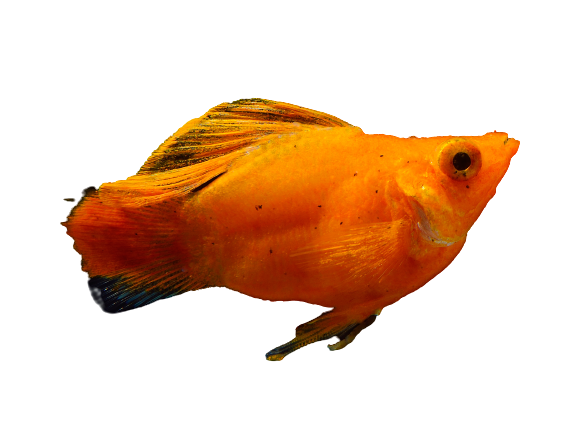
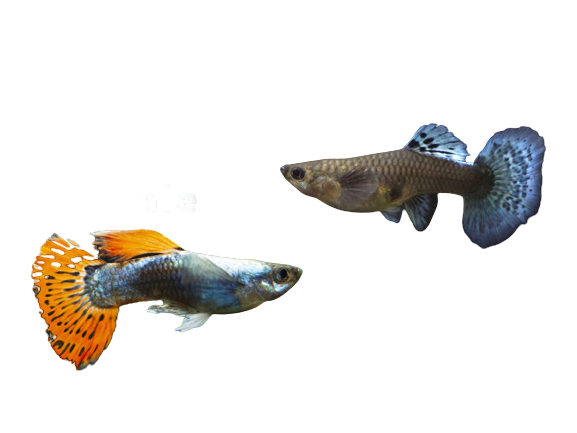
This combo is a multi-unit pack of chocolate mollies -- a rich brown/bronze colour strain of the common molly, Poecilia sphenops/P. latipinna hybrid lineage widely bred for the aquarium trade. Wild-type mollies originate from freshwater and brackish coastal waters of Central America and the southern United States, and the many colour strains sold today (black, white, chocolate, balloon-bodied, and more) are all selectively bred from that same hardy, adaptable base stock.
Mollies are livebearers -- like guppies and platies, females give birth to free-swimming fry rather than laying eggs, and a healthy, well-fed group will breed readily and often in a home aquarium without any special intervention. They're active, peaceful, mid-sized community fish (adults typically reach 6-10cm depending on strain) that spend most of their time in open water and appreciate some plant cover for the fry to hide in.
Buying them as a combo/multi-pack is a sensible way to stock a proper shoal at once -- mollies are a social species and do best in groups of at least four to six, ideally with more females than males since males can pester females persistently when the ratio is skewed.
The "chocolate" colouration itself is a rich brown/bronze tone that sits between the more common black and gold/orange molly strains, giving a warmer, more subdued look than either -- a popular choice for keepers wanting variety beyond the two most widely available colours.
Requirements
A group from this combo needs at minimum a 60cm (roughly 15 US gallon / 55-60 litre) tank, more if the group is on the larger side or shares the tank with other fish -- mollies are active swimmers and don't do well cramped into a small volume. They're easy feeders, taking flake, pellet, or algae-based foods readily, and appreciate some vegetable matter or algae grazing given their naturally omnivorous, algae-leaning diet in the wild.
One real, distinctive requirement sets mollies apart from most other common community fish: they do noticeably better in harder, more alkaline water than species like tetras or corydoras, and many keepers add a small amount of aquarium salt to their molly tank -- a nod to the brackish-water habitats some wild molly populations come from. This isn't strictly mandatory in soft water, but mollies kept in soft, acidic conditions are more prone to stress and disease than those in harder, slightly alkaline water.
As livebearers, an established group will breed on its own; if fry survival matters to the keeper, dense floating or bushy plants give newborn fry somewhere to hide from adults, which will otherwise treat them as a snack.
Mollies also appreciate some open swimming space alongside planted areas -- they're active, mid-water swimmers rather than fish that hug cover constantly, so a tank that's entirely dense planting with no open water tends to feel cramped to a molly shoal even if the total footprint is adequate.
Compatibility
Water & Care Conditions
Mollies are hardy, but they do have a real preference for harder, more alkaline water than most tropical community staples.
- pH: 7.5-8.5 -- noticeably more alkaline-tolerant than most tropical community fish
- Hardness: moderately hard to hard water is ideal; a small dose of aquarium salt is a common, optional addition many keepers use
- Temperature: 24-28°C
- Oxygenation: standard community-tank filtration and surface movement is sufficient; no special aeration needs
- Water quality: mollies are more sensitive to poor/unstable water and soft, acidic conditions than many similarly hardy-looking community fish -- regular water changes matter more for this species than its reputation for toughness suggests
- Salt: optional but common -- a small dose of aquarium salt is often added to a molly-only tank, though it should be avoided or reduced if the tank also houses salt-sensitive tankmates like most live plants or certain scaleless fish
- Signs of poor water: clamped fins, lethargy, or a fish hanging near the surface are early warning signs worth acting on with a water change rather than waiting
- Fry: a well-fed, established group will breed readily without intervention -- dense floating plants give newborn fry a place to hide from adults that would otherwise eat them
- Diet variety: alongside standard flake or pellet food, occasional blanched vegetables (courgette, spinach) or algae wafers suit their naturally omnivorous, algae-grazing tendencies