About This Combo
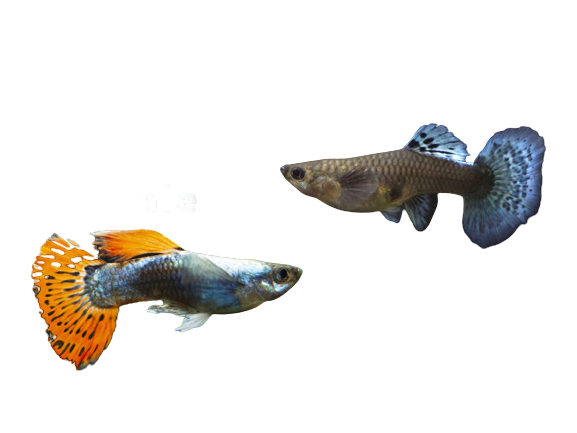
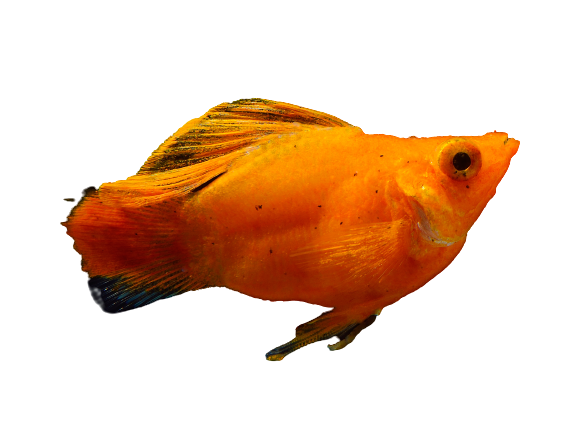
This combo pairs male and female guppies (Poecilia reticulata) together, sold specifically as a breeding-ready or colony-starting set rather than a single-sex group. Guppies originate from freshwater streams and pools across Venezuela, Trinidad, and neighbouring parts of South America, where they live in dense, active shoals in shallow, warm, plant-rich water.
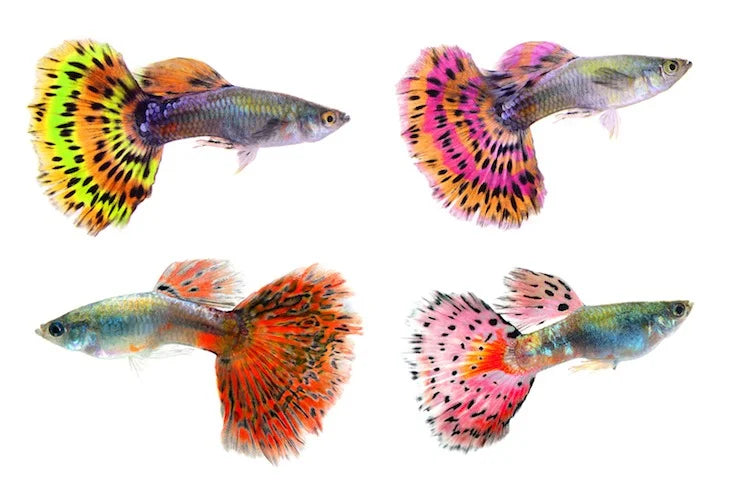
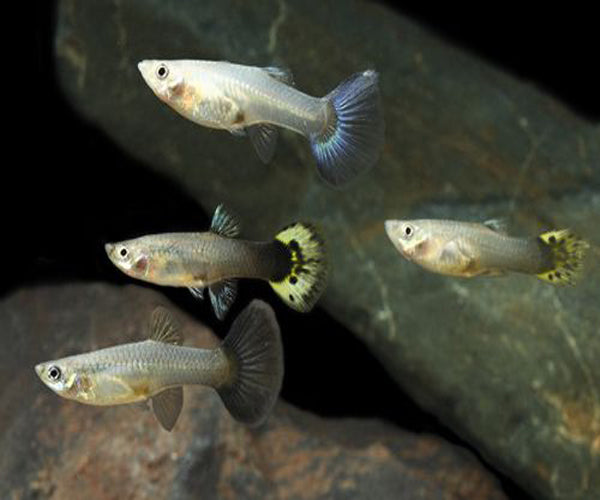
The species is famous in the aquarium hobby for two things: extraordinary colour and finnage variety produced through generations of selective breeding, and being one of the easiest livebearing fish to breed at home. Males are smaller and far more colourful, with long flowing tails; females are larger, plainer, and are the ones that actually give birth to live, free-swimming fry roughly once a month once mature, without any special intervention needed.
Buying a mixed-sex combo like this is exactly what someone wants if the goal is an ongoing, self-sustaining guppy population -- within a healthy, well-fed tank, a small starting group can multiply substantially within just a few months.
Guppies reach sexual maturity remarkably fast for a vertebrate -- often within two to three months -- and females can store sperm from a single mating to produce several broods afterward, which is part of why a small mixed-sex group can grow into a sizeable population faster than many new keepers expect.
Requirements
A small group from this combo can start in a tank as modest as 40-60 litres, though more space is better once fry start arriving, since guppy populations grow quickly if left unmanaged. Guppies are undemanding eaters -- flake or small pellet food is fine -- and appreciate some live or frozen food occasionally for colour and condition.
The one thing worth planning for with a mixed-sex combo specifically: guppies breed prolifically, and a single male can and will mate with multiple females repeatedly, which can stress females if the ratio is too male-heavy. A common, welfare-friendly guideline is roughly two to three females per male. If fry are not wanted, keepers typically either separate the sexes, rehome surplus fry regularly, or accept the population as a natural, ongoing feature of the tank and let other fish/plant cover keep numbers in check somewhat.
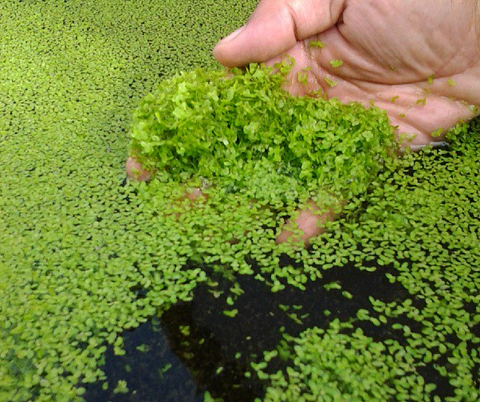
Floating plants or dense fine-leaved plants give newborn fry real shelter from adult guppies (including their own parents), which will otherwise eat them opportunistically -- worth adding if fry survival is the goal.
Worth planning ahead of time: without any intervention, a guppy population will keep growing as long as space and food allow, which can lead to overcrowding if left unchecked for many months. Rehoming surplus fry periodically, or accepting a slower natural population plateau as the tank reaches its practical carrying capacity, are both reasonable approaches.
Compatibility
Water & Care Conditions
Guppies are famously adaptable, but they do best and colour up brightest within these ranges.
- pH: 7.0-8.0, on the neutral-to-alkaline side
- Hardness: moderately hard water suits them well, similar to mollies and platies
- Temperature: 24-27°C -- warmer water also speeds up their breeding cycle
- Oxygenation: standard filtration and surface movement is sufficient
- Water quality: guppies are generally hardy but, like most livebearers, do noticeably better with stable, regularly maintained water than in neglected tanks -- fin health and colour are often the first visible sign of declining water quality
- Breeding sign: a dark "gravid spot" near a female's belly indicates she's pregnant/close to giving birth -- normal and expected in a mixed-sex tank, not a health concern
- Sex ratio: roughly two to three females per male reduces the persistent mating pressure a lone female can face in a heavily male-skewed group
- Fry survival: dense floating or fine-leaved plants give newborn fry somewhere to hide from adults, which will otherwise eat them opportunistically
- Population management: without intervention, numbers keep growing as long as space and food allow — rehoming surplus fry periodically is a common, practical approach
- Diet: flake or small pellet food as a staple, with occasional live or frozen food for colour and breeding condition