About & Origin
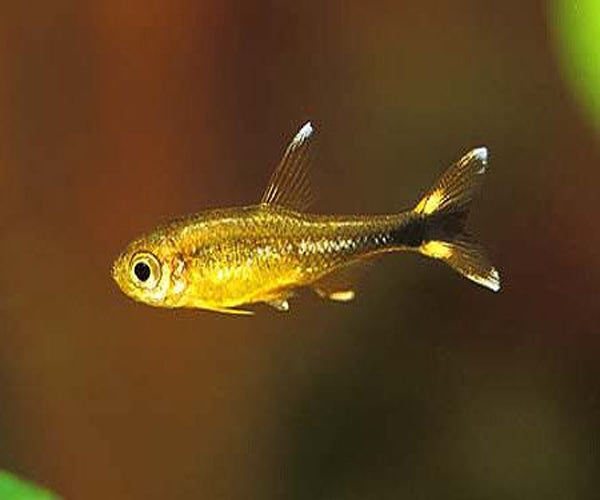
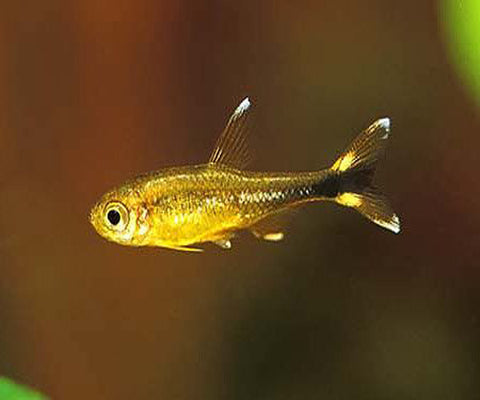
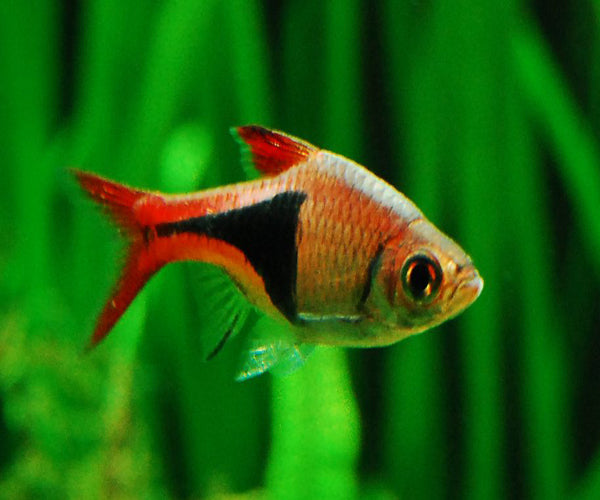
The Copper Tetra, commonly identified as Hasemania nana, is a small, hardy tetra that comes from streams and tributaries in eastern Brazil. It's a small, hardy tetra with a warm coppery-bronze body, closely related to the well-known black neon tetra group, and notably lacks an adipose fin — a small anatomical detail that distinguishes it from many other tetras at a glance.
It's a long-established, unfussy aquarium fish, valued more for its hardiness and easy-going nature than for flashy colour, making it a solid choice for a mixed community shoal.
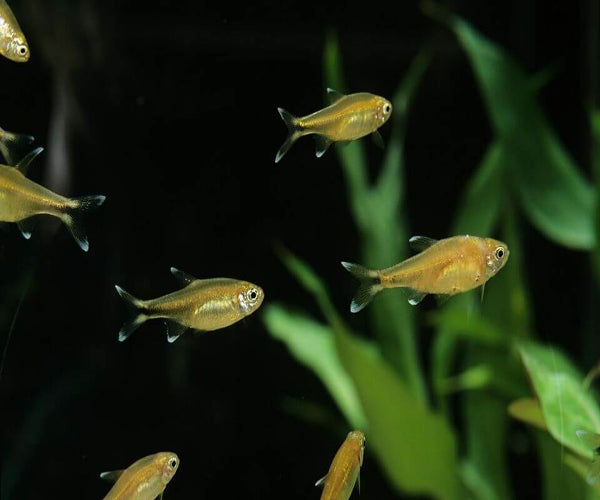
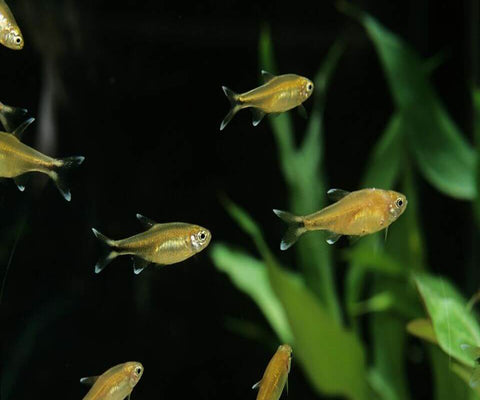
Beyond its coppery colouration, the Copper Tetra is notable for occurring in a genuinely wild-collected form as well as tank-bred stock, and for its unusually small, compact schooling behaviour compared to some of the more sprawling tetra shoals.
It belongs to a small genus (Hasemania) with only a couple of described species, and its lack of an adipose fin (the small fleshy fin between the dorsal and tail seen in most tetras) is a genuinely useful identification feature if you want to tell it apart from similar bronze-toned tetras at a glance.
Its compact, tight schooling style, even in modest group sizes, makes it a good choice for smaller planted community tanks where a very large shoal wouldn't comfortably fit.
The Copper Tetra (Hasemania nana, formerly classed under Hemigrammus) hails from coastal river drainages in eastern Brazil. Unusually among tetras it lacks an adipose fin, and its body carries a warm, metallic copper-bronze sheen rather than the more common silver or neon colouration, which catches the light distinctively as the shoal moves.
It remains a relatively underappreciated species compared to flashier tetras, despite being just as easy to keep and offering a genuinely distinctive metallic colour rarely seen elsewhere in the hobby.
Requirements
A true shoaling fish — keep in groups of 6 or more for natural behaviour and to reduce stress.
It's an easy, adaptable, peaceful community species that does well in a typical well-planted tank alongside other small, non-aggressive fish. Not a demanding species in terms of water chemistry or diet.
Feeding is simple — takes flake and micro pellets readily, with occasional live or frozen foods appreciated.
Does best in a tank with some open swimming space plus planted cover, since it shoals actively through the middle of the water column but appreciates having shelter nearby when it feels the need to retreat.
Breeding is possible in a dedicated setup with fine-leaved plants for egg-scattering, soft acidic water, and dim lighting, though most hobbyists keep it purely as an easy community shoaler rather than a breeding project.
A well-planted tank with some open swimming lanes suits this species' active but compact schooling style particularly well.
It is an easygoing, peaceful schooling fish that adapts well to a wide range of established community tank conditions and does not have the more particular water-chemistry demands of some soft-water Amazonian tetras, making it a forgiving choice for a mixed South American community setup.
It does well in almost any established, peacefully stocked community tank and is not particular about decor style, doing equally well in a heavily planted aquascape or a simpler setup with driftwood and open swimming space.
It is not a demanding species when it comes to decor style, doing equally well in a heavily planted aquascape or a simpler community setup with driftwood, so long as tankmates are similarly peaceful.
It rarely shows aggression even in modest-sized groups, making it a forgiving choice for a mixed community.
Compatibility


Water & Care Conditions
Hardy and tolerant of a fairly broad range of typical community-tank conditions:
- pH: 6.0–7.5
- Salinity / hardness: freshwater only, soft to moderately hard water
- Temperature: 22–28°C (72–82°F)
- Light: moderate; not light-sensitive
- Oxygenation: standard filtration and flow are sufficient for this hardy, easy-going species
- Distinguishing feature: the missing adipose fin (the small fin between dorsal and tail) is a normal, healthy trait of this species, not an injury or deformity
- Hardiness: tolerates a broader range of established tank conditions than many soft-water tetras, making it forgiving for newer keepers
- Feeding: unfussy, accepts flake, micro pellets, and occasional live/frozen foods without issue
- Longevity: typically lives 4-5 years in a well-maintained community tank
- Tank position: a mid-water swimmer, comfortable in most standard community tank layouts
- Filtration: standard, well-maintained community filtration is sufficient for this undemanding species
- Substrate: not particular about substrate type or decor style
- Note: a genuinely low-maintenance, hardy choice overall
One of the more chemistry-flexible tetras — it will do fine across a fairly wide pH and hardness range as long as extremes are avoided, which is part of why it's recommended for less experienced keepers.
Stable, gentle filtration with moderate flow suits this species better than strong current, since it isn't a fast-water specialist despite its active shoaling habit.
Weekly partial water changes of 20-30% help keep Copper Tetras colourful and active, since like most small characins and rasboras it's sensitive to accumulating nitrates and organic waste over time even though it isn't considered a delicate species.
A mature, cycled tank with established biological filtration is a much safer home for a new shoal than a freshly set-up system, since ammonia and nitrite spikes during cycling are a common cause of losses in small schooling fish.