About & Origin
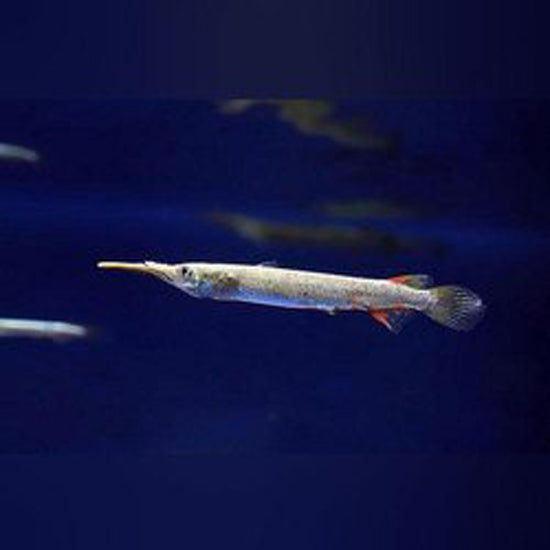
Despite the name on this listing, the Half-beak is not a tetra at all — it's the Wrestling Halfbeak (Dermogenys pusilla), a small surface-dwelling livebearer from Southeast Asia (found across Thailand, Malaysia, Indonesia, and neighbouring freshwater and brackish coastal waters). It's named for its distinctive elongated lower jaw, used to snap up insects and other food from the water's surface.
Its common name, "Wrestling Halfbeak", comes from the real and well-documented behaviour of males locking jaws and pushing against each other in ritualised contests over territory and females — in parts of Southeast Asia this behaviour has historically even been used for organised fish "wrestling" matches, similar in spirit to Siamese fighting fish contests with bettas.
Despite the common trade name, this is not actually a tetra — it's the Wrestling Halfbeak (Dermogenys pusilla), a livebearer named for its distinctive elongated lower jaw (the "half beak") and for males' territorial jaw-locking displays toward each other, which resemble wrestling.
It's native to slow-moving, well-vegetated freshwater and brackish streams and ditches across Southeast Asia, where it spends almost all its time at the water's surface hunting small insects and other surface-dwelling prey.
As a livebearer (like guppies and mollies, not an egg-scattering characin like true tetras), females give birth to a small number of relatively large, well-developed fry rather than laying eggs.
Its upturned mouth and flattened lower jaw are a textbook adaptation for surface feeding, letting it snap up insects that land on or fall onto the water without needing to dive or chase prey through open water.
Despite the trade name, this is not a true tetra at all — it's the Wrestling Halfbeak (Dermogenys pusilla), a livebearer named for its distinctive elongated lower jaw (the upper jaw stays short, giving the beak-like profile) used to snatch insects and other food from the water's surface. It's native to slow-moving, densely vegetated freshwater and brackish habitats across Southeast Asia.
Requirements
Because males actively spar with other males, only one male should generally be kept per tank unless the tank is large with plenty of visual breaks — housing multiple males together in a small space leads to persistent aggression. Females can be kept together, and a common approach is one male with several females.
As a livebearer, it gives birth to free-swimming young rather than laying eggs. It's a surface dweller with a small upturned mouth, so surface-feeding foods (small floating pellets, fruit flies, small insects) suit it better than foods that sink quickly. It's also a capable jumper, so a tightly fitted lid is important.
It tolerates a touch of aquarium salt or mildly brackish conditions well, reflecting its natural coastal/brackish-tolerant habitat, though it does fine in stable freshwater too.
Because it's a dedicated surface dweller, tank length and surface area matter more than depth; a covered tank is important since it's an excellent jumper.
Males are territorial toward each other and will "wrestle" by locking jaws — keep only one male per tank, or a larger group with several females to spread out aggression, rather than multiple males in a small tank.
Needs surface-feeding live foods (fruit flies, small crickets, other floating insects) alongside flake, since its upturned mouth is specialised for skimming the surface rather than feeding mid-water or from the bottom.
Because it's a livebearer rather than an egg-scattering characin, its care differs meaningfully from true tetras: males are territorial toward each other and will spar (hence "wrestling" halfbeak), so a single male with several females works better than multiple males in a small tank. It is also a dedicated surface feeder and needs food that stays on top of the water rather than sinking quickly.
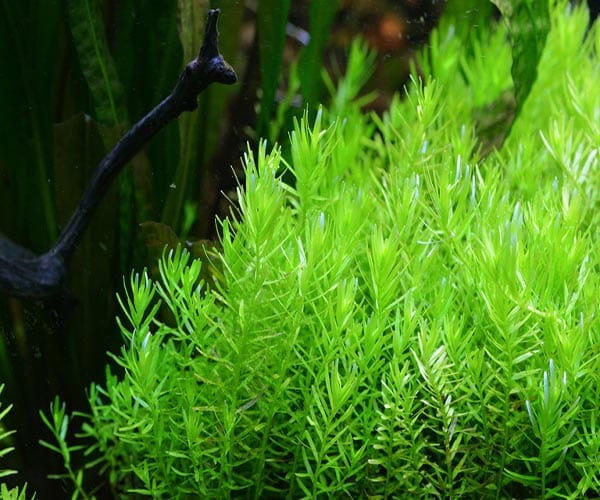
Provide plenty of floating plants both as surface cover it appreciates and as a source of small live foods (infusoria, micro-crustaceans) it will pick at naturally; a mature, established tank suits it better than a freshly set-up one.
Compatibility

Water & Care Conditions
Comfortable in freshwater but genuinely tolerant of mild brackish conditions if desired:
- pH: 7.0–8.0, tending toward neutral-to-alkaline
- Salinity / hardness: freshwater to slightly brackish tolerated; moderately hard water suits it well
- Temperature: 24–28°C (75–82°F)
- Light: not especially light-sensitive
- Oxygenation: as a surface-dwelling air-gulping-adjacent species it isn't demanding on dissolved oxygen, but appreciates open, unobstructed surface access and a securely covered tank, as it jumps readily
- Salinity tolerance: unlike true tetras, this species tolerates and in some cases benefits from a small amount of aquarium salt, reflecting its brackish-tolerant wild habitat
- Feeding placement: as a surface feeder, offer floating foods rather than fast-sinking pellets
- Feeding: as a surface-feeding insectivore, small floating foods and occasional fruit flies or similar live foods are appreciated
- Longevity: typically lives 2-3 years in well-maintained conditions
- Tank position: stays almost exclusively at the water's surface given its upturned mouth and feeding style
- Filtration: gentle surface flow is preferred so it doesn't interfere with this species' surface-feeding behaviour
Being a brackish-tolerant species in the wild, a small amount of aquarium salt is often beneficial, and it can even be kept in a mildly brackish setup rather than strictly freshwater.
Gentle surface flow without a lot of splashing or strong downward-facing filter outflow suits its surface-dwelling lifestyle better than typical mid-water circulation.
Weekly partial water changes of 20-30% help keep this species colourful and active, since like most small characins and rasboras it's sensitive to accumulating nitrates and organic waste over time even though it isn't considered a delicate species.
A mature, cycled tank with established biological filtration is a much safer home for a new shoal than a freshly set-up system, since ammonia and nitrite spikes during cycling are a common cause of losses in small schooling fish.