About & Origin
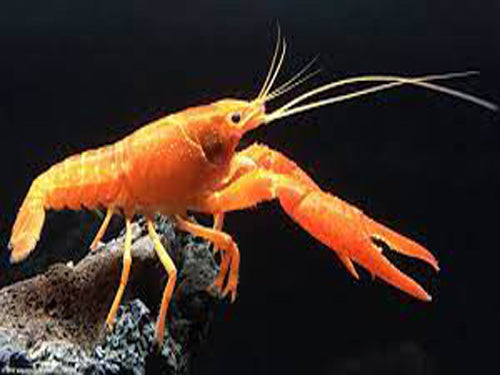
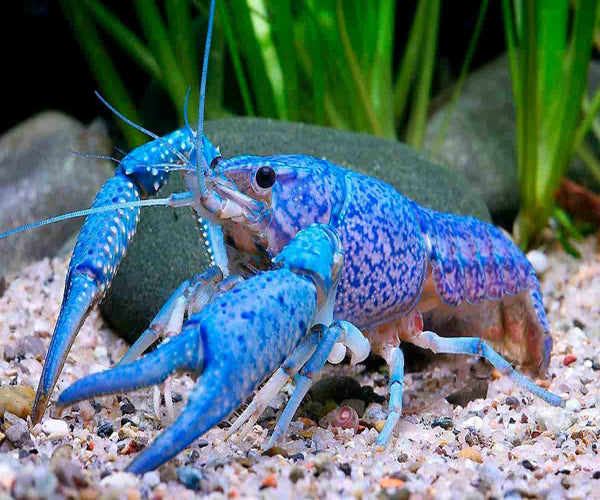
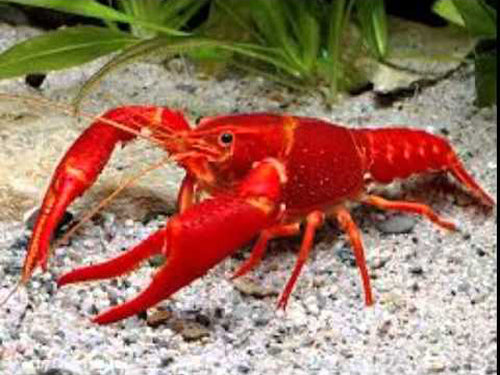
Freshwater "lobsters" sold in the aquarium trade, including this Orange Lobster, are almost always crayfish (family Cambaridae) rather than true lobsters, which live only in the sea. This bright orange colour form is a selectively bred variety of freshwater crayfish, most commonly linked to Procambarus species originally from the southeastern United States.
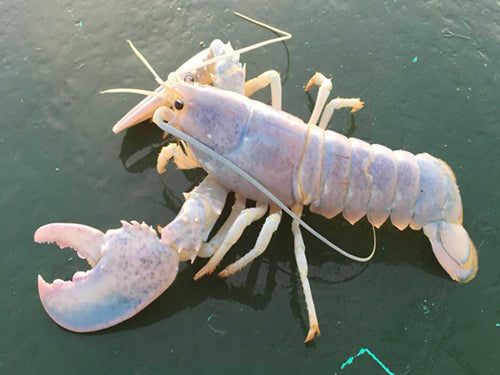
It's a hardy, active, and inquisitive invertebrate that spends much of its time digging, foraging along the substrate, and rearranging décor to its liking. Like all crayfish, it periodically moults its exoskeleton to grow, appearing pale and soft-shelled for a short vulnerable period afterward.
Freshwater crayfish are territorial and largely solitary in the wild, defending burrows and feeding grounds against rivals of their own kind — behaviour that carries directly into the tank, where two crayfish sharing a small space will often fight, sometimes fatally, particularly around moulting when one is soft-shelled and defenceless. Given their intelligence and constant activity, crayfish are also popular for their visible, almost mammal-like curiosity — many keepers report theirs investigating new décor, rearranging the tank, and reacting to movement outside the glass in ways that feel unusually interactive for an invertebrate. Sold small, this crayfish reaches its full adult size of around 10-13cm within its first year or so under good feeding conditions.
Requirements
Standard freshwater crayfish requirements apply (20-30 gallon/75-115L minimum with a tight lid, best kept solo or species-only, caves/driftwood for digging and hiding, omnivorous scavenger diet with a calcium source for moulting).
This colour specifically: orange crayfish tend to show colour loss right around a moult and regain full saturation over the following days as the new shell hardens and pigment redevelops — don't mistake a temporarily pale post-moult crayfish for a sick one, that's normal for this bright a colour strain.
Escape risk: crayfish are surprisingly capable climbers and will use filter intakes, plant stems, or décor to reach the rim of an open tank, so a genuinely tight-fitting lid is essential rather than optional. Even brief periods out of water are tolerated far better than most fish, meaning a crayfish that does escape can survive for a surprisingly long time on damp carpet or flooring before it's discovered — reason enough on its own to take containment seriously.
Tankmate caution: even in a well-planned community setup, a crayfish this size will eat slow or small tankmates opportunistically and can damage plants by digging and snipping — most keepers house it alone or with only larger, fast-moving fish that stay well clear of the substrate. Live plants are also at real risk from a crayfish's constant digging and grazing, so hardscape and artificial décor tend to hold up better than a heavily planted layout.
Compatibility
Water & Care Conditions
- pH: 7.0–8.0, kept stable
- Water hardness: moderately hard, good mineral content for shell development
- Temperature: 20–24°C (68–75°F), usually no heater needed
- Oxygenation: well-oxygenated, never stagnant
Mineral content matters more for this bright a strain than for a duller wild-type crayfish — soft, mineral-poor water can leave the shell weak and the colour looking thin even between moults. Keep parameters stable, especially in the days around a moult when the shell is soft and the fish is at its most vulnerable. A calcium-rich diet, including sinking pellets formulated for invertebrates and occasional blanched vegetables, directly supports shell strength and colour saturation after each moult. Well-kept crayfish of this type commonly live 2–4 years, and consistent water quality has a bigger impact on long-term health than any single parameter in isolation. Ammonia and nitrite spikes are poorly tolerated, so a fully cycled tank before introduction matters more for this species than the parameter ranges above might suggest. Watch for lethargy, refusal to eat, or failure to moult on schedule as general signs something needs attention, since a crayfish's hard exoskeleton can otherwise mask illness until it's fairly advanced. Copper-based treatments, sometimes used for fish parasites, are toxic to crayfish and all other invertebrates, so check medication labels carefully before treating a shared tank.