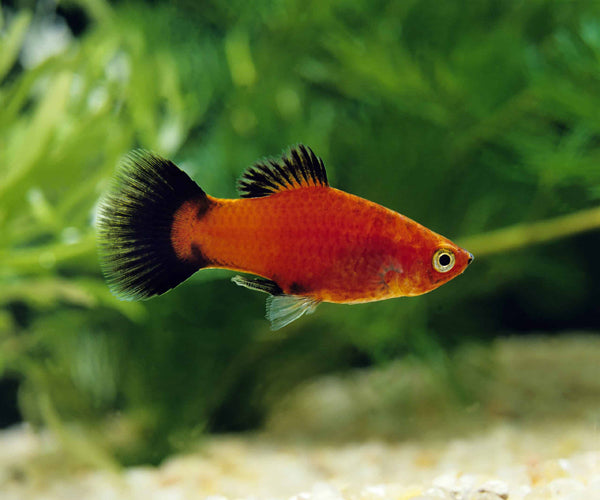
About & Origin
The Southern Platy is a small livebearer fish, the standard wild-type-coloured form of Xiphophorus maculatus, the species from which nearly all fancy platy colour varieties in the hobby are bred. Its natural range covers slow-moving rivers, streams, and coastal waters across Mexico, Guatemala, and Belize, giving the species its "southern" common name.
In the wild it lives in loose shoals in shallow, well-vegetated water, grazing algae and small invertebrates -- an omnivorous diet that transfers directly and easily into aquarium care, which is a large part of why platies are so consistently easy to feed and keep.
As with all platies, it's a livebearer that gives birth to free-swimming fry rather than laying eggs, breeding readily and often in a mixed-sex group.
Because this wild-type-coloured form carries the full, unfiltered genetic diversity of the original species rather than the narrowed gene pool of a heavily inbred fancy colour line, it's often noted by breeders as a genuinely hardy, vigorous starting stock — some hobbyists specifically keep southern platies alongside fancier strains to periodically reintroduce genetic diversity into their breeding lines, since generations of selecting purely for colour can otherwise gradually weaken a strain's overall robustness. In several parts of the world the species has also become naturalised outside its native range after aquarium releases, a reminder of just how adaptable and easy-breeding this fish genuinely is.
Requirements
Platies are one of the easiest livebearers in the hobby and a genuinely good choice for beginners.
Sex ratio: keep more females than males (roughly 2–3 females per male) -- males court persistently, and an unbalanced ratio stresses females.
Breeding: platies are livebearers that give birth to free-swimming fry, often unexpectedly in a mixed-sex tank -- have a plan (dense planting for fry to hide in, or acceptance of a growing population) before stocking a group.
Tank size: comfortable from around 60cm/24 inches upward for a small group.
Diet: omnivorous and easy to feed -- quality flake or pellet as a staple, with occasional live/frozen food and some vegetable matter (they graze algae too).
Temperature flexibility: more tolerant of cooler, unheated conditions than many tropical fish, though they still do best with some stability rather than large swings.
Fry survival: in a community tank without dedicated fry protection, most newborn platies get eaten by adult tankmates (including their own parents) within days, which naturally caps population growth — this is normal and not a problem unless you're specifically trying to raise fry to adulthood, in which case a breeding box, densely planted nursery section, or separate rearing tank is needed to meaningfully improve survival odds.
Compatibility
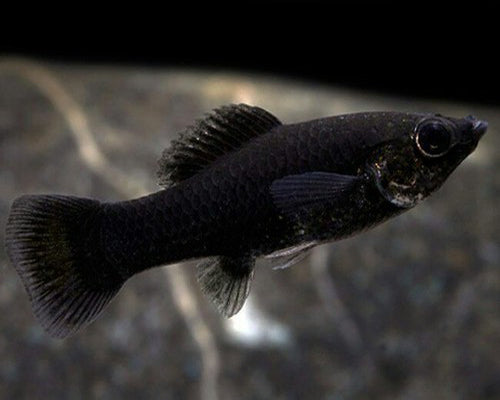
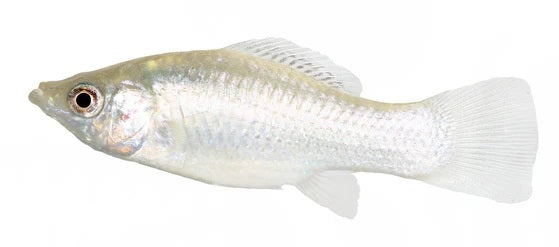

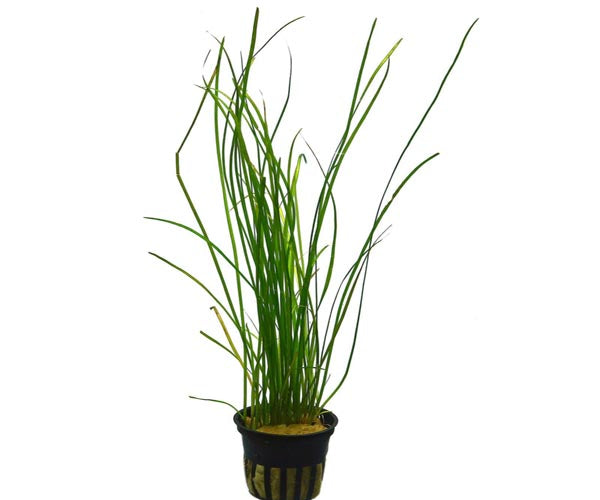
Water & Care Conditions
Platies are considerably more flexible on water chemistry than many tropical fish, which is a big part of why they're such a reliable beginner choice.
- pH: 7.0–8.2 (neutral to alkaline; avoid soft, strongly acidic water)
- Hardness: moderately hard to hard, roughly 10–28 dGH
- Temperature: 18–26°C (64–79°F) -- notably tolerant of cooler water than many tropical community fish, and doesn't strictly require heavy heating in many home climates
- Oxygenation: comfortable with standard community-tank filtration and flow; not unusually demanding
Platies are one of the more forgiving fish in this catalogue on water chemistry -- consistency and cleanliness matter more than hitting an exact number.
A little added mineral hardness genuinely benefits this species even in areas with naturally soft tap water — a small amount of aquarium salt or a remineralizing additive, or simply mixing in some crushed coral or limestone into the filter or substrate, nudges water toward the harder, more alkaline profile this species evolved in without needing precise dosing.
Watch for a gravid (pregnant) female showing a dark "gravid spot" near the base of the anal fin as an early sign she's close to giving birth — useful to know if you want advance warning to move her to a separate breeding container before fry arrive.