Are Axolotls Legal in Your State? US Rules Checked (2026)
Published: 2026-10-31 · FishyKart Blog
Axolotls are legal to keep in most of the US, but not everywhere. California and Washington DC do not allow them as pets, while Maine and New Jersey require a state permit. On top of the state rules, a federal Lacey Act listing in force since January 25, 2025 bans importing axolotls into the US and shipping them to or from Hawaii, DC, Puerto Rico and US territories without a permit. Below are the rules with the official sources, checked in October 2026.
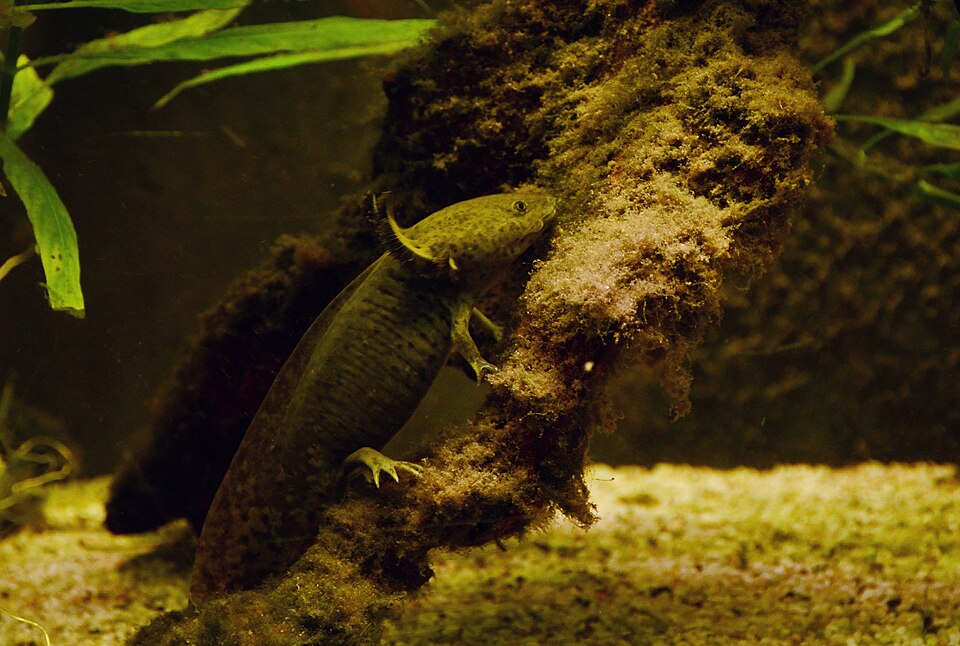
Photo: Vassil - Wikimedia Commons, CC0
Axolotl Laws at a Glance
| Where | Status for pet owners |
| California | Not allowed: genus Ambystoma listed as detrimental (14 CCR 671) |
| Washington DC | Not allowed: amphibians are not on the DC list of permitted household pets (DC Code 8-1808) |
| Maine | Permit required: Category 2 restricted species, captive bred only (09-137 CMR ch. 7) |
| New Jersey | Permit required: exotic amphibian, not on the no-permit list (N.J.A.C. 7:25-4) |
| Hawaii | Federal permit needed to ship an axolotl in; state import rules also apply |
| Other states | No axolotl-specific ban found in our check; confirm with your state wildlife agency |
| Whole US | Imports and shipments to HI, DC, PR and territories need a federal permit (Lacey Act, since 2025) |
This is a summary of public rules, not legal advice. Laws change; always confirm with the agency named in each section.
California: Not Allowed as Pets
California regulation 14 CCR section 671 lists "Genus Ambystoma (nonnative tiger salamander group)" as detrimental animals, a class kept off the pet market because it threatens native wildlife. The axolotl belongs to this group. The concern is the native California tiger salamander (Ambystoma californiense): released nonnative Ambystoma salamanders can breed with it. Restricted-species permits in California go to institutions such as research facilities, not to hobbyists. The agency is the California Department of Fish and Wildlife.
Washington DC: Not Allowed as Pets
DC Code section 8-1808(j) bans keeping any animal as a household pet except a short list: domestic dogs and cats, domesticated rodents and rabbits, captive-bred common cage birds, non-venomous snakes, fish and turtles kept for pleasure, ferrets and permitted racing pigeons. Amphibians, including axolotls, are not on the list.
Maine: Permit Required
Maine's wildlife possession rules (09-137 CMR chapter 7, section 7.18) list the axolotl, Ambystoma mexicanum, as a Category 2 restricted species, captive-bred origin only. Under section 7.06, a Category 2 permit is open to exhibitors, research facilities and individuals who can document experience with the species, and it requires a maintenance plan for the animals. Ask the Maine Department of Inland Fisheries and Wildlife before buying.
New Jersey: Permit Required
N.J.A.C. 7:25-4.2 says no one may possess an exotic amphibian without a permit from the Department of Environmental Protection. Section 7:25-4.4 lists the exotic animals allowed without a permit; for amphibians it names only a few native frogs, toads and salamanders, and the axolotl is not among them. Contact the NJ Division of Fish and Wildlife about permits.
The 2025 Federal Rule (Lacey Act)
On January 10, 2025 the US Fish and Wildlife Service published two salamander rules in one document: a final rule confirming the 20 genera listed in 2016, and a second interim rule adding 16 more genera, including Ambystoma, to the list of injurious wildlife, effective January 25, 2025 (Federal Register, January 10, 2025). The reason is a deadly salamander fungus, Batrachochytrium salamandrivorans (Bsal), that has not yet been found in the US.
What it means for axolotl owners, according to the agency's own FAQ:
- You can keep an axolotl you already own; ownership is not affected.
- Importing axolotls into the US is prohibited without a permit.
- Shipping between the continental US and Hawaii, DC, Puerto Rico or any US territory is prohibited without a permit.
- Moving an axolotl between the 49 continental states is not restricted by this federal rule (state rules still apply).
- Permits are issued only for scientific, educational, medical or zoological purposes.
The 16-genus listing is an interim rule; its comment period closed on March 11, 2025, and we found no final rule replacing it as of October 2026. Check the Fish and Wildlife Service for updates before you ship or travel with an axolotl.
Why These Rules Exist
Two risks drive axolotl laws: hybridization with native salamanders (California) and the spread of disease (the federal listing). Both are about animals getting into the wild. That makes one rule universal, wherever you live: never release an axolotl into a pond, creek or lake. If you can no longer keep one, ask a local reptile and amphibian rescue or a pet store to take it.
Before You Buy
- Check your state wildlife agency and, in some places, city rules.
- Buy captive-bred animals from a seller in your own state where possible.
- Plan the tank and cooling first: see axolotl tank setup and axolotl care.