Best Fish for Beginners: 12 Hardy Species and How to Start
Published: 2026-10-31 · FishyKart Blog
The best fish for beginners are small, hardy species that forgive the odd mistake: zebra danios, white cloud minnows, male guppies, platies, corydoras, cherry barbs, harlequin rasboras and a single betta. Pair them with a cycled tank of about 20 gallons and most first aquariums succeed. The fish matter less than the order of steps: cycle the tank first, then add a few hardy fish at a time.
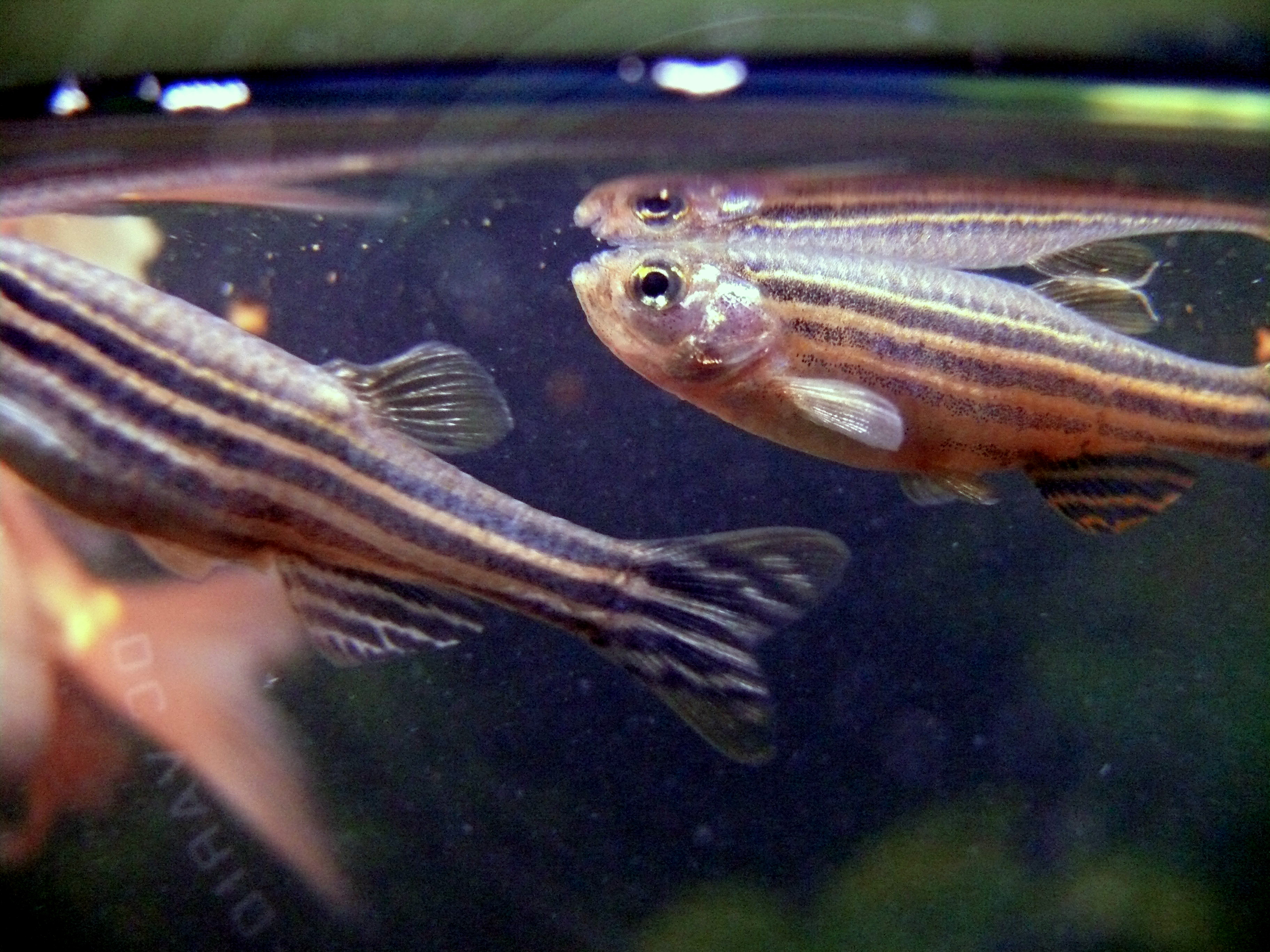
Photo: Pogrebnoj-Alexandroff - Wikimedia Commons, CC BY-SA 3.0
12 Beginner Fish Compared
| Fish | Size / minimum tank / temperature |
| Zebra danio | 1.5-2 in / 10 gal for 6, more room is better / 64-75 F |
| White cloud minnow | 1.5 in / 10-12 gal for up to 5 / 60-72 F, no heater |
| Male guppies | 1.2-2 in / 10 gal / 72-82 F |
| Platy | up to 2 in / about 15 gal (24 x 12 in base) / 68-79 F |
| Molly | larger than guppies / 20 gal / 75-82 F, harder water |
| Corydoras | 1.5-3 in / 20 gal for a group of 6 / 72-79 F |
| Cherry barb | 1.5-2 in / 20-30 gal for 6+ / 75-79 F |
| Harlequin rasbora | 1.5-2 in / 20 gal for 8+ / 73-82 F |
| Honey gourami | 1.5-2 in / 15-20 gal / 72-82 F |
| Betta | 2.5-3 in / 5 gal, 1 male / 78-80 F |
| Bristlenose pleco | 4-5 in / 15-20 gal / 72-80 F |
| Cherry shrimp or nerite snail | about 1-2 in / 5 gal+ / room temperature to tropical |
Sizes and temperatures match our individual species guides linked below; platy figures from Seriously Fish.
Hardy Schooling Fish
- Zebra danio: fast, tough and happy in cooler water (64-75 F). Keep 6 or more; a busy school keeps their chasing within the group.
- White cloud minnow: a true coldwater fish for unheated rooms; do not mix with warm-water bettas.
- Cherry barb: the peaceful barb; males turn red in a school of 6+.
- Harlequin rasbora: calm, steady midwater fish for a 20 gallon planted tank.
Easy Livebearers
Male guppies and platies add color and are very forgiving. Keep males only, or expect a tank full of fry within a few months. Mollies are hardy too but bigger, need 20 gallons and do best in harder, alkaline water. If your tap water is soft or hard, check our tap water hardness by city guide.
Bottom Dwellers and Algae Eaters
- Corydoras: keep 6 or more on sand; they clean up leftovers but still need sinking food.
- Bristlenose pleco: the right pleco for home tanks at 4-5 inches, unlike the common pleco.
- Shrimp and snails: nerite snails and cherry shrimp handle algae and biofilm.
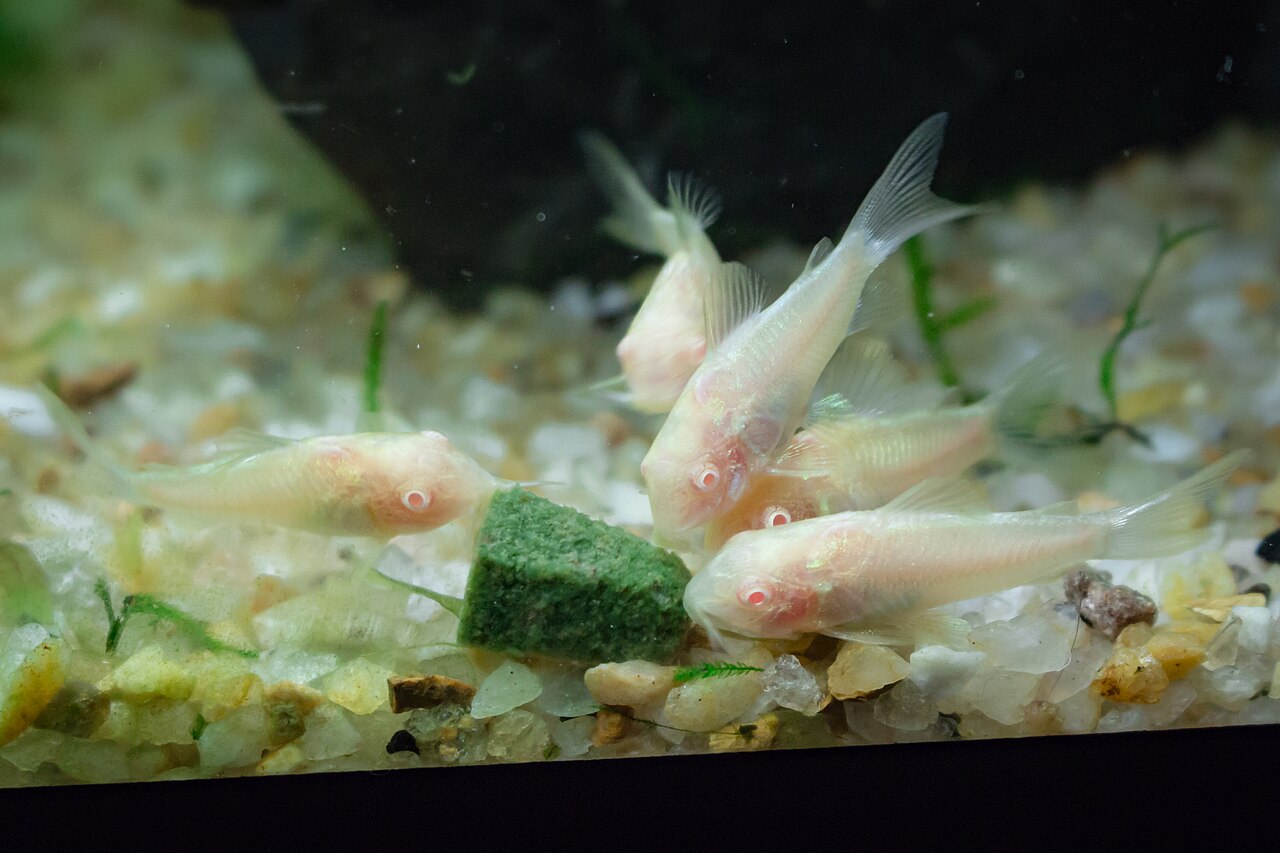
Photo: Gabriel Resende Veiga - Wikimedia Commons, CC BY-SA 4.0
One Centerpiece Fish
A betta is the classic first fish for a small tank: one male in at least 5 gallons, heated and filtered (see betta fish tank size). In a 20 gallon community, a honey gourami is the gentler centerpiece.
Choose by Tank Size
- 5 gallons: one betta, or shrimp and snails. Best fish for a 5 gallon tank.
- 10 gallons: one small school or a few male livebearers. Best fish for a 10 gallon tank.
- 20 gallons: a school plus corydoras and a centerpiece. Best fish for a 20 gallon tank.
First-Tank Steps That Matter More Than the Fish
- Cycle the tank before any fish go in.
- Add 2-4 hardy fish first, then more every 1-2 weeks.
- Feed a little once or twice a day; most beginner losses come from overfeeding.
- Change 20-30% of the water weekly with dechlorinated tap water.
- Quarantine new fish if you can; ich is the most common problem new fish bring in.
Fish Beginners Should Skip
- Goldfish in small tanks: they need about 20 gallons for one fancy goldfish; see goldfish tank size.
- Giants: common pleco, oscar, red tail catfish, bala shark.
- Demanding fish: discus, which need warm, very clean, soft water.
- Aggressive fish: many African cichlids and tiger barbs in small groups.
- Axolotls: not fish, and they need cold water; read axolotl care first.