How Long Can Fish Go Without Food? Vacation Guide by Fish Type
Published: 2026-10-29 · FishyKart Blog
Most healthy adult aquarium fish can go about 3-7 days without food, and some larger, well-fed fish can manage around two weeks. Small fish need food more often, and fry and baby fish should be fed at least once or twice a day. These figures are rough guides for healthy adults, not safe targets. For a weekend away you usually do not need to do anything, but for longer trips plan ahead with an automatic feeder or a trusted helper.
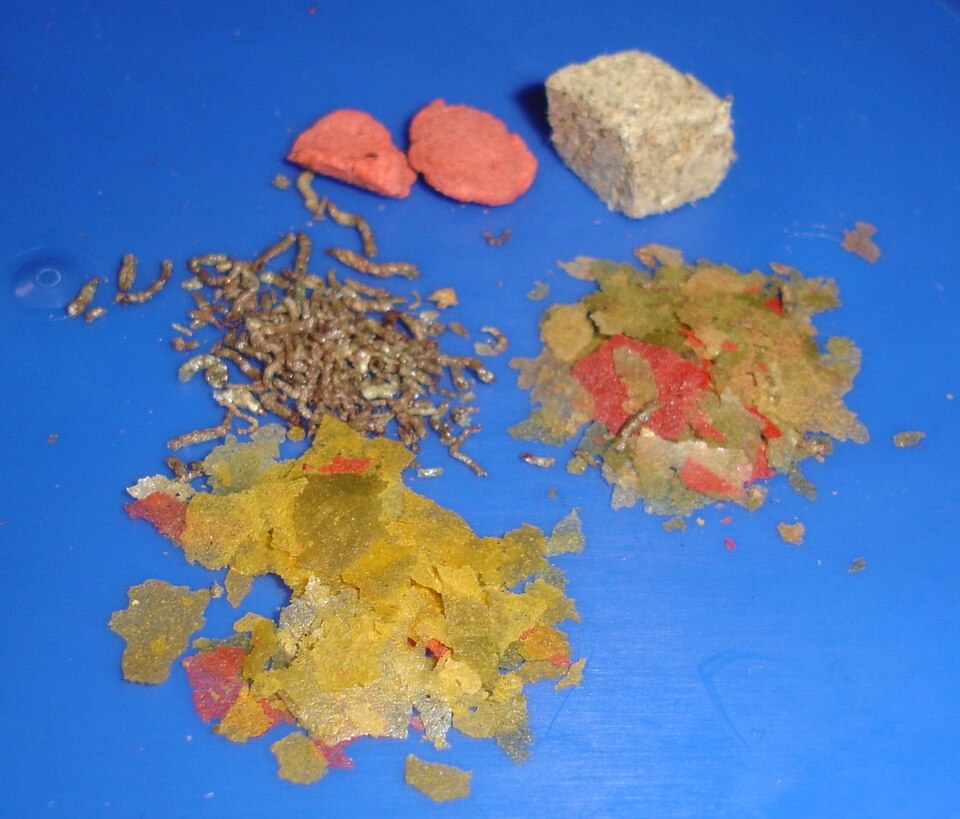
Photo: Taken by User:Pinpin - fr:Utilisateur:Pinpin - Wikimedia Commons, CC BY-SA 3.0
How Long by Fish Type
| Fish type | Rough safe time without food |
| Fry and baby fish | Feed daily, ideally several small meals |
| Small tropical fish (tetras, rasboras, guppies) | About 3-5 days |
| Betta and gouramis | About 3-7 days |
| Goldfish and larger cichlids | About 1 week, up to 2 for large healthy adults |
| Plecos and otocinclus | Little reserve: do not rely on algae alone for trips longer than 3-4 days |
These are rough figures for healthy adults in a cycled, stable tank. Young, thin, sick or recently added fish have less reserve. Fish also use less energy in cooler water, while warm water speeds up their metabolism.
Why Fish Can Fast
Fish are cold-blooded, so they spend far less energy than mammals of the same size. In a planted tank they also pick at algae, biofilm and tiny organisms between meals. Most fish in nature do not eat at fixed times every day, so a short fast is normal and some keepers even skip one feeding day a week.
Before You Travel
- Do a 20-30% water change 2-3 days before leaving and clean the filter lightly, not on the last day.
- Check the heater and filter. A failed heater is a bigger risk than a missed meal.
- Feed normally, not extra. Leftover food rots and can foul the water.
- Put lights on a timer so day and night stay regular.
- Do not add new fish in the week before a trip.
Feeding Options for Longer Trips
- Automatic feeder: the most reliable option for trips longer than about a week. Set it to small portions and test it for several days at home first.
- Pet sitter: pre-pack daily portions in a pill box. People new to fish often overfeed, so give them exact amounts and nothing else.
- Vacation feeder blocks: slow-release blocks can work for a few days, but test one at home first because some cloud the water.
- Live plants and algae: aquarium plants and java moss give grazers and shrimp something to pick at.
After you return, start with small meals. Fresh or frozen foods such as brine shrimp or bloodworms are good for bringing fish back into condition.
When Not to Leave Fish Unfed
- Fry tanks. Baby fish such as young guppies from a pregnant guppy need food every day.
- Tanks that are still cycling with fish in them, where ammonia and nitrite are a risk. See how to cycle a fish tank.
- Sick or recently treated fish, for example during ich treatment.
For normal feeding amounts, see our guide on how often to feed betta fish.