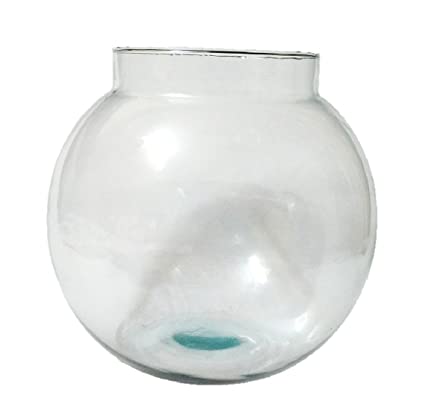
6 INCH BOWL (1.5L Capacity )
GLASS BOWL
BEST FOR BETTA AND SMALL SIZE FISHES
EASY TO MAINTAIN
About & Origin
A 6 inch round glass bowl with a stated capacity of 1.5 litres — a step up from the smallest 4 inch bowl, but still firmly in "small decorative bowl" territory rather than a filtered aquarium. Like the rest of this bowl range, it's a clear glass vessel with a narrower neck, meant for a tabletop or shelf, moulded as a single piece rather than assembled from glued panels the way a rectangular tank is.
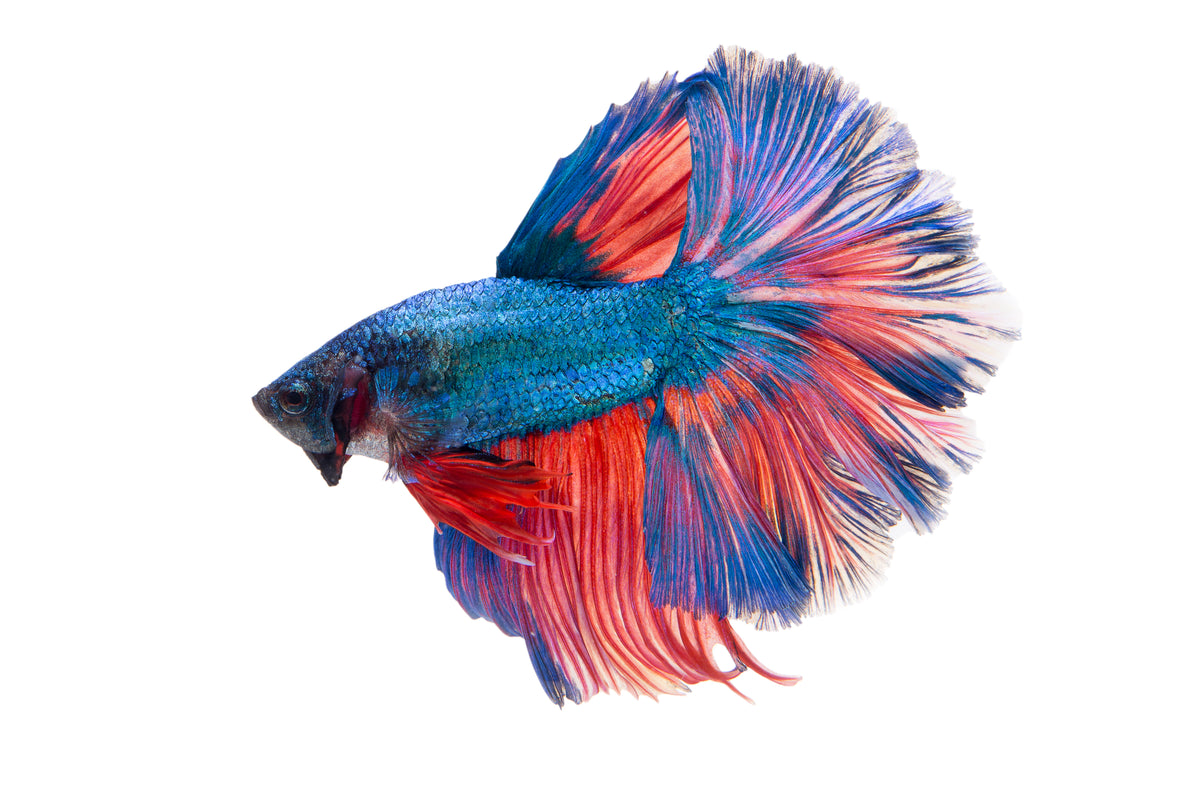
1.5 litres is enough to be a workable, if basic, home for a single small hardy fish — most commonly a betta, which is naturally adapted to shallow, still, oxygen-poor water in the wild (rice paddies and slow floodplain pools in Southeast Asia) and tolerates bowl conditions better than almost any other commonly kept aquarium fish. That natural tolerance is exactly why bettas and small bowls are so often sold together, even though a filtered tank still gives a much more stable, healthier result.
Empty, this bowl weighs a little more than the 4 inch size given the extra glass and volume, but it's still light enough to lift and carry one-handed with the water in it — filled to 1.5 litres, the water itself adds roughly 1.5kg on top of the glass, so the whole thing comes in at a couple of kilograms at most.
The round bowl shape has been a household object for well over a century, long predating the modern rectangular filtered aquarium that's now the hobby standard. Its continued popularity at this size comes down to the same combination every step of this bowl range shares: low price, minimal footprint, and zero equipment needed to get started, which makes it an easy first purchase even if it isn't the most animal-friendly long-term option available.
Requirements
This bowl has no filter, heater, or air pump built in or easily fitted — you're buying housing only, and at 1.5 litres, the margin for error is still small, even if it's noticeably more forgiving than the 4 inch size.
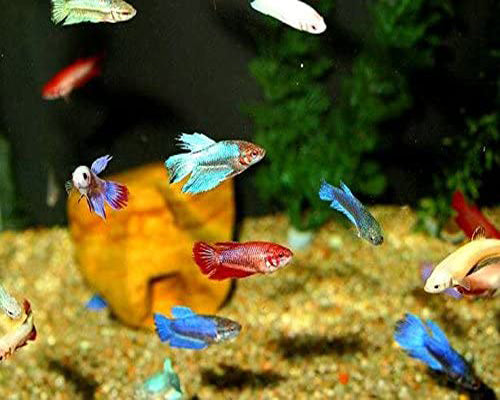
Stocking: one small fish only — a single betta is the realistic option here, not a community of fish and not anything that needs to shoal. Bettas are also territorial toward their own kind, so this is never a "two bettas, one bowl" setup regardless of size.
No filtration = more frequent water changes: without a filter cycling ammonia into safer compounds via beneficial bacteria, waste builds up quickly in 1.5 litres. Plan on partial water changes several times a week, not weekly, and test the water if you're at all unsure — cloudiness or a strong odour both signal it's overdue. Overfeeding is the single most common mistake at this scale: uneaten food fouls a small volume of water far faster than the same amount would in a full-size tank, so feed sparingly and remove anything left after a couple of minutes.
Keep it out of direct sunlight (small unfiltered volumes of water heat up and grow algae fast in the sun) and on a stable, level surface — the narrow base means it can tip more easily than a wide-footed tank if bumped, so keep it away from the edge of a shelf or somewhere pets/children can knock it.
Surface area matters too: gas exchange between the water and the air happens at the water's surface, and a narrow-necked bowl shape has comparatively little of it relative to the water volume beneath. That's part of why bowl-kept fish are more sensitive to overcrowding, overfeeding, and infrequent water changes than fish in an equivalent volume of water in a wider, shallower, or filtered container.
Compatibility

Setup & Maintenance
At 1.5 litres there's not much water to buffer mistakes, so a steady maintenance routine matters more here than in a larger tank. There's also no realistic way to establish a proper nitrogen cycle (the beneficial-bacteria colony that normally handles ammonia and nitrite in a filtered tank) in a bowl this size — you are the filter, in effect, via manual water changes.
- Water changes: partial changes 2–3 times a week are typical; more often if the water looks cloudy or has any smell
- Dechlorination: always treat tap water before adding it to the bowl — untreated chlorine/chloramine damages gill tissue
- Temperature: with no heater, the bowl tracks room temperature — fine in a consistently warm room, but avoid cold draughts or windowsills where temperature can swing several degrees between day and night
- Cleaning: the wide mouth makes it easy to wipe down algae by hand every week or so with a soft cloth or algae pad — never soap or household cleaner, which leaves a residue that's toxic to fish
- Evaporation: check the water level every few days and top up with dechlorinated water between full changes, since evaporation concentrates whatever is left dissolved in the water
- Watch the fish, not just the water: gasping at the surface, clamped fins, or unusual lethargy in a bowl this small are often the first visible sign that a water change is overdue, even before the water itself looks obviously dirty
If you want less frequent maintenance long-term, a small filtered tank (like a betta cube tank) is an easy upgrade from this size, and takes real pressure off the daily/near-daily attention a bare bowl needs. A cheap liquid or strip water test kit is worth having on hand too — it takes the guesswork out of deciding when a change is actually needed rather than going by look/smell alone.