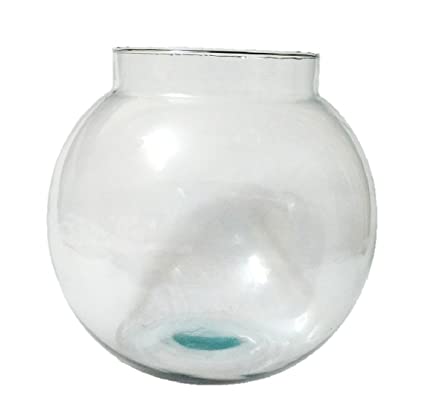
8 INCH GLASS BOWL
EASY TO MAINTAIN
BEST FOR BETTA ,SMALL FISHES ,MEDIUM SIZE FISHES
About & Origin
An 8 inch round glass bowl — a mid-sized option in this bowl range, holding somewhere in the region of 4–6 litres of actual water depending on fill level. Like the rest of the range it's the traditional open-top, narrow-necked glass bowl shape rather than a filtered rectangular tank.
Glass bowls in this style have been used for ornamental fishkeeping for a very long time precisely because they need no equipment to get started — no filter, no heater, no light — which keeps the upfront cost and setup low. That's also exactly why the format predates the modern filtered aquarium as the default way people kept fish at home, going back well over a century as a recognisable household object in its own right, decorative as much as functional.
Construction is moulded glass rather than the cut-and-glued panel glass used in a rectangular tank — there's no seam to fail, but it's thinner glass than tank-grade panels, and the rim/widest point of the curve is where a chip is most likely if it's knocked against something hard. Empty, it's light enough to lift with one hand; filled to 4–6 litres, the water alone adds roughly 4–6kg on top of the glass, so the total is enough that you'll want two hands and a firm grip once it's set up and running.
It sits between the 6-inch and 10-inch sizes in this range, which makes it a common middle-ground pick for someone who wants a bit more real water volume than the smallest bowls without moving up to a full filtered tank setup, or as a cost-effective quarantine/hospital container for treating a sick fish away from the main tank without disturbing the whole system.
Requirements
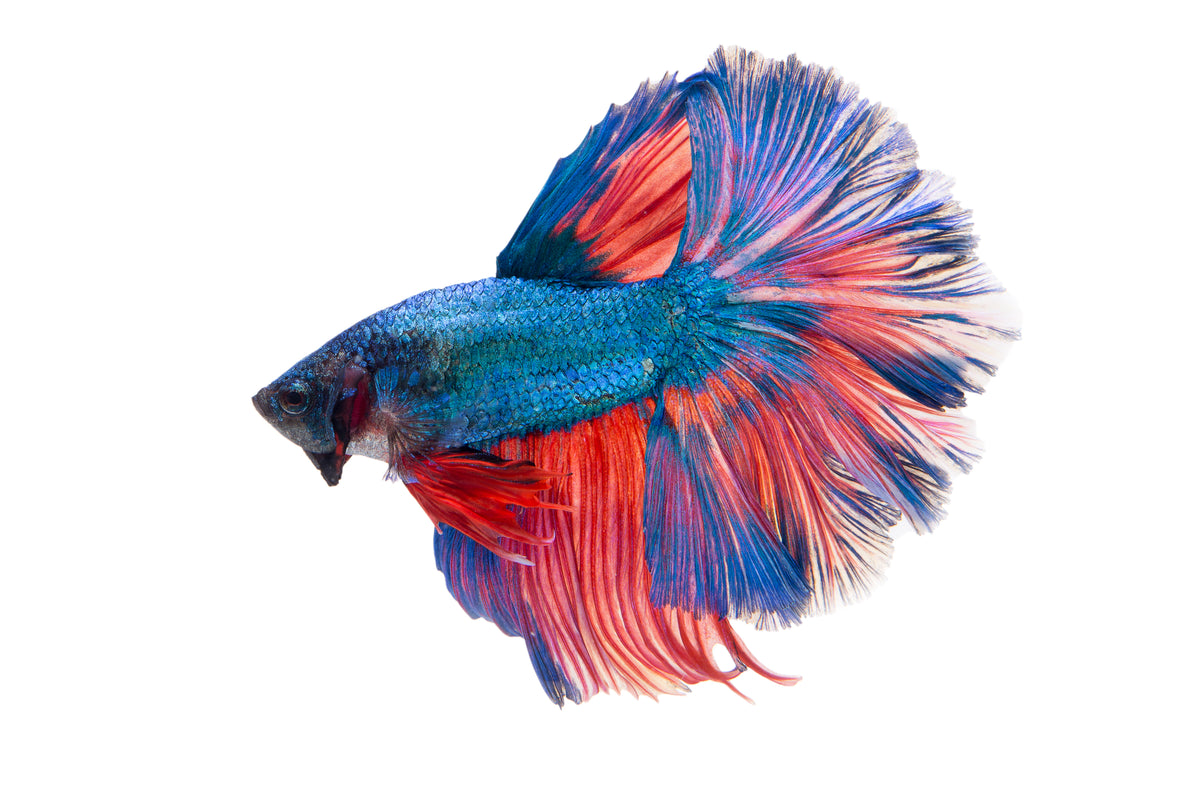
This listing describes it as suitable for betta, small, and even medium-size fish — worth being realistic about: at roughly 4–6 litres, it's a workable home for one single small hardy fish (a betta is the standard choice), but it is not a suitable long-term home for a shoal of small fish or for anything genuinely "medium sized" that needs real swimming room.
There's no filter or heater fitted to a bowl like this, so what you're buying is the housing only. Without filtration, waste builds up faster than in an equivalent filtered tank, which needs to be offset with more frequent partial water changes — there's no colony of beneficial bacteria quietly processing ammonia between changes the way there would be in a cycled filter.
Keep it out of direct sunlight (open, unfiltered water grows algae quickly in strong light) and on a stable, level surface that can take several kilograms without wobbling once filled. The narrow neck also limits the surface area available for gas exchange relative to the water volume beneath it, compared to a wider or filtered container of the same size — one of the less obvious reasons bowls are considered lower-welfare housing even at a size that sounds reasonably generous.
Stocking density is the other thing to get right from day one: resist the temptation to add "just one more" small fish because the bowl looks roomy when empty — bioload (the amount of waste a fish produces relative to the water available to dilute and process it) is what actually determines whether a bowl this size stays healthy, not how big it looks on a shelf.
Acclimating a new fish also matters more in a small unfiltered volume than in a large tank, since chemistry differences between the bag/transport water and the bowl are proportionally larger here — float the bag to match temperature, then add small amounts of bowl water gradually over 15–20 minutes before releasing the fish, rather than tipping it straight in.
Compatibility

Setup & Maintenance
Without a filter doing the biological work, an unfiltered bowl needs a more hands-on routine than a filtered tank of a similar size.
- Water changes: partial changes roughly 2 times a week are typical at this volume, more often if the water clouds or smells
- Dechlorination: always treat tap water with a dechlorinator before adding it — untreated chlorine/chloramine damages fish gills
- Cleaning: the wide open top makes it easy to reach in and wipe down algae on the glass with a soft cloth or algae pad — never soap or household cleaner, which leaves a residue that's toxic to fish even after rinsing
- Temperature: with no heater, the bowl simply tracks room temperature — workable for a hardy species in a consistently warm room, riskier if the room gets cold at night or sits near a draughty window
- Evaporation: top up with dechlorinated water every few days between full changes, since evaporation concentrates whatever waste is left dissolved in the water
- Feeding discipline: uneaten food fouls a small unfiltered volume fast — feed small amounts and remove anything left after a couple of minutes
If a fish outgrows this or you want lower-maintenance filtration, a small filtered cube tank is a natural next step up — a cycled filter does continuous background work a bare bowl simply can't, which takes real pressure off the manual water-change routine.
A cheap water-test kit (liquid or strip) is worth having on hand too, since it replaces guesswork about ammonia, nitrite, and pH with an actual reading rather than relying on how the water looks or smells, both of which tend to lag behind the real chemistry. Keep an eye on the fish itself as well — gasping at the surface, clamped fins, or unusual lethargy are often the first visible sign that a water change is overdue, sometimes before the water looks obviously dirty.