About & Origin
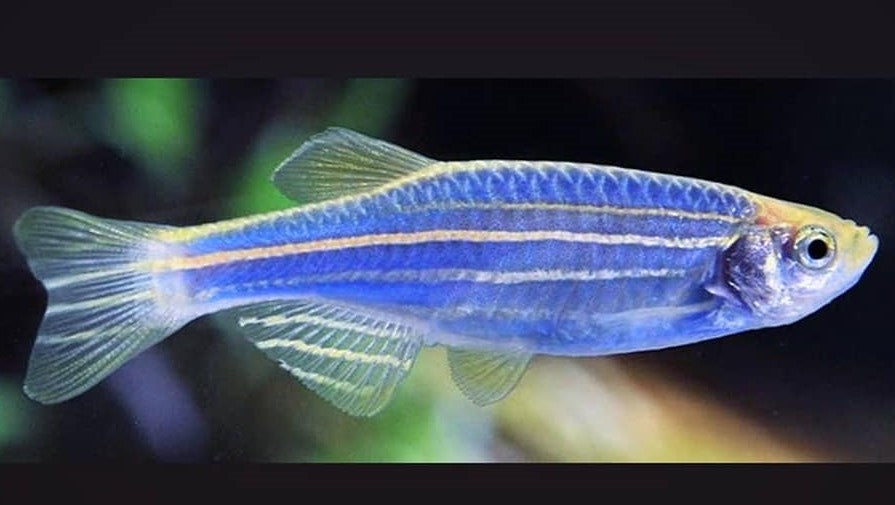
The blue danio (Danio kerri, sometimes still sold under its older name Brachydanio kerri) is a small, active cyprinid from fast-flowing forest streams in peninsular Thailand and Malaysia. Its slim, torpedo-shaped body carries a soft blue-grey iridescent sheen with faint horizontal striping, less flashy than a zebra danio but with the same restless energy.
Like other danios it's built for open water and constant movement -- in the wild it holds station in current, darting after drifting insects and debris rather than picking through the substrate or hiding among plants.
It's a genuinely easy, hardy fish that's been in the hobby for decades without ever becoming as common as the zebra or pearl danio, making it a nice change of pace for a peaceful, well-planted community tank.
Males and females are fairly easy to tell apart once mature: males run slimmer and show a more saturated blue tone, while females are noticeably deeper-bodied, especially when carrying eggs, and slightly duller in colour. Like most danios it's an egg-scattering spawner with no parental care at all -- adults will happily eat their own eggs and fry given the chance, which is part of why wild-caught-style danio populations stay so stable and fast-breeding in the right conditions, but why dedicated fry-raising needs a separate breeding setup.
Its common name nods to its steel-blue sheen, and while it lacks the bold black-and-gold stripes of a zebra danio, a shoal of blue danios catching the light in open water has a quiet, understated shimmer that's easy to underestimate from a single photo.
The species name honours Malaysian naturalist P. J. Kerr, one of the early collectors of forest-stream fish in the region, and its wild range along fast, well-shaded jungle streams means it's one of the more current-adapted danios in the trade -- a detail that carries directly through to how it should be kept at home.
Requirements
Blue danios are obligate shoalers and should never be kept in groups smaller than 6-8 -- a lone or lightly-grouped danio becomes visibly stressed and skittish. Give them a tank at least 60cm (24in) long with open swimming space at the front and planting at the back and sides; they're strong swimmers that need room to move, not just volume.
A reliable filter with good flow is important -- this is a stream fish used to clean, well-oxygenated, constantly moving water, and it doesn't tolerate stagnant or poor-quality water well.
Diet is easy: flake, micro-pellets, and small live or frozen foods like daphnia and brine shrimp are all readily taken. It's an unfussy, active eater.
Because they're such energetic, fast-moving fish, blue danios do best with tankmates of a similar activity level and temperament -- pairing them with very slow, shy, or long-finned species can leave the calmer fish stressed or outcompeted at feeding time, even without any real aggression involved. A secure lid is also worth having, since danios in general are confident jumpers and will readily clear an open top if startled.
As with most small shoaling fish, buying the whole group at once from the same source rather than adding individuals over time helps establish a settled, confident shoal faster and reduces the stress of repeatedly introducing newcomers to an already-established hierarchy.
They also do well in a species-only or lightly stocked setup if you'd rather showcase the shoal on its own -- a larger group of 10-12 or more in a spacious tank shows off their schooling behaviour and constant, restless movement far better than the minimum group size crammed into a busy community tank.
General maintenance is otherwise low-effort for an active fish this size: standard weekly partial water changes, a well-cycled filter, and regular feeding are really all it asks for beyond the flow and space considerations above.
Compatibility

Water & Care Conditions
Coming from fast forest streams, this is a fish that rewards good filtration and flow more than most:
- pH: 6.5–7.5
- Water hardness: 8–12 dGH
- Temperature: 23–25°C (73–77°F), tolerates a slightly wider 22–27°C
- Oxygenation: needs clean, well-oxygenated, moving water -- a stream species, not suited to still, low-flow tanks
- Flow: a moderate-to-strong filter outflow or added powerhead current is genuinely appreciated rather than merely tolerated -- this species is more current-loving than most community danios
- Water quality: sensitive to ammonia/nitrite spikes and stagnant conditions, so consistent weekly partial water changes matter more here than in a more tolerant, still-water species
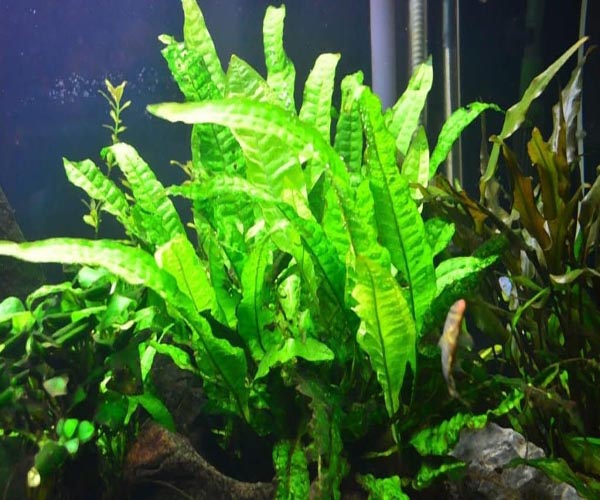
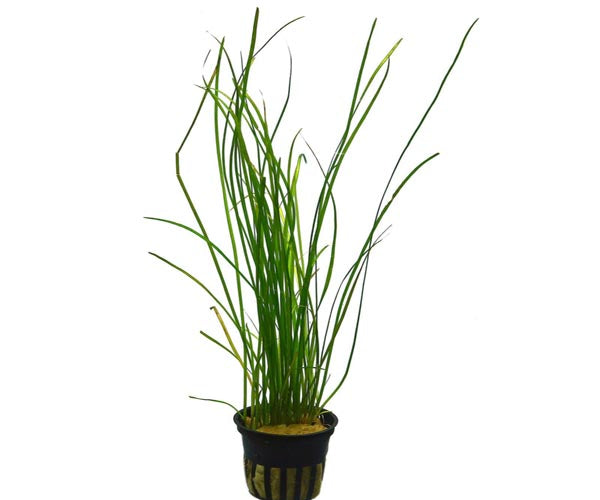
- Substrate & decor: a mix of open swimming space and some planted cover works best -- dark substrate and background planting also help set off its blue sheen visually
- Group size: keep in groups of 6 or more -- shoaling behaviour and confidence (and colour) both improve noticeably in a larger, well-established group versus a minimal one
- Lighting: moderate lighting with some shaded areas mirrors its shaded forest-stream origin better than intense, unbroken light all day
- Acclimation: generally settles in quickly and starts feeding within a day or two of a calm, drip-acclimated introduction, one of its more forgiving traits despite its stream-fish water preferences
- Water changes: weekly partial water changes of 20-25% keep parameters stable, particularly important given this species' lower tolerance for stagnant or declining water quality compared to more sedentary community fish
- Health signs: a healthy blue danio is constantly active and shoaling tightly with its group -- a fish hanging listlessly near the surface or hiding away from the group is usually an early sign something (often water quality) needs attention, so it's worth checking parameters promptly