About & Origin
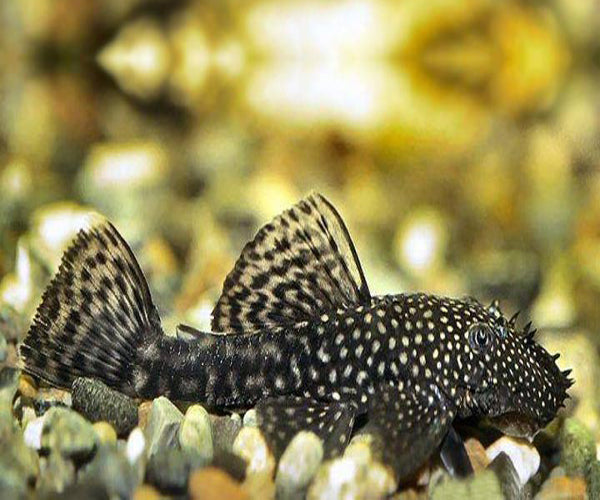
The Bristlenose Catfish (Ancistrus sp., often Ancistrus cirrhosus in the trade) is a small suckermouth armoured catfish from South America, found across river systems in the Amazon and Orinoco basins. It gets its common name from the fleshy, branching tentacle-like bristles that grow on the snout of mature males -- a striking feature entirely absent in females, making the sexes easy to tell apart.
In the wild it grips onto rocks, wood, and submerged surfaces with a sucker-disc mouth, grazing algae and biofilm, and it's also known to rasp softened wood -- driftwood fibre is thought to aid its digestion, which is why aquarium driftwood is considered close to a requirement rather than just decoration for this species and this trait specifically.
Unlike many plecos in the hobby, Bristlenose stays genuinely small (typically 12–15cm), making it one of the few truly aquarium-appropriate long-term "pleco" choices rather than a species that eventually outgrows most home tanks.
Colour and finnage variants have been selectively bred over decades in the hobby -- albino, calico, longfin, and various speckled patterns are all common alongside the standard brown/grey wild-type, though all share essentially identical care needs regardless of colour morph. The bristles themselves grow more elaborate as a male ages and matures, so a young male can look nearly bristle-free before developing the full branching "antler" effect over its first year or two.
Bristlenose are also unusually long-lived for a small aquarium fish, commonly reaching five years and sometimes considerably longer in a well-maintained tank -- a genuine multi-year companion rather than a short-lived novelty, and one reason their hardiness and small adult size make them such a consistently recommended first pleco-type fish for new keepers.
Requirements
Bristlenose Catfish are hardy and beginner-friendly, with a short list of things worth getting right.
Driftwood: provide a piece of aquarium-safe driftwood -- it's rasped on for fibre and is genuinely beneficial to digestion, not just decorative. A piece large enough for the fish to graze on for years, rather than a small twig that gets rasped away quickly, is worth choosing from the start.
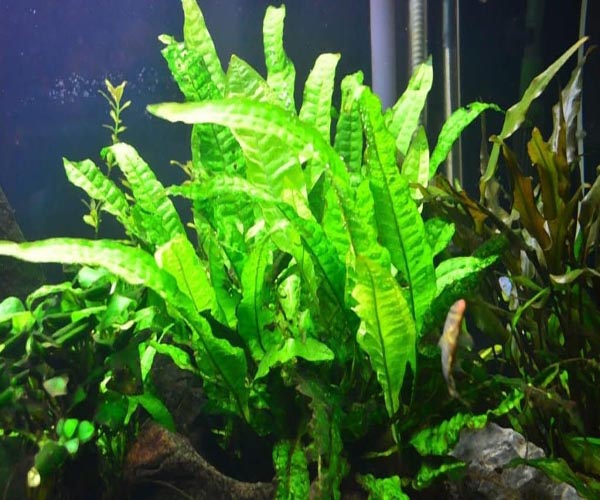
Hiding spots: caves, wood crevices, or dense planting give this somewhat shy, mostly nocturnal fish somewhere to retreat during the day. Multiple hiding spots reduce competition and stress if keeping more than one bristlenose in the same tank.
Tank size: comfortable from around 60–75cm/24–30 inches upward for a single fish or pair; a larger footprint gives more surface area for both algae grazing and territory, which matters more to this species than raw water volume.
Diet: algae wafers and blanched vegetables (courgette, cucumber, spinach) as a staple once tank algae alone isn't enough, plus occasional sinking protein (shrimp pellets, bloodworm) for balanced nutrition, especially for breeding females.
Breeding note: males guard eggs in caves and can become territorial toward other males during breeding -- worth knowing if keeping more than one. A single cave per male, spaced apart, reduces conflict considerably if breeding multiple pairs in the same tank.
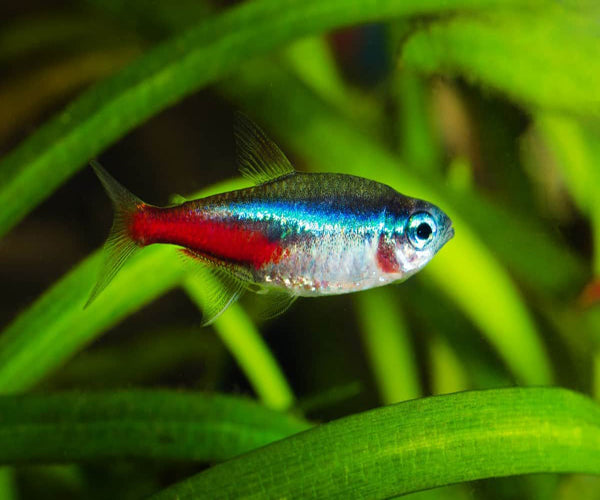
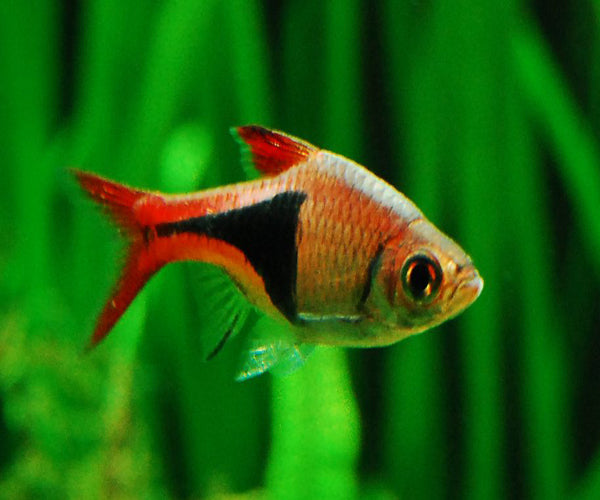
Compatibility: genuinely one of the most peaceful catfish available -- bristlenose largely ignore other tankmates and spend most of their time grazing surfaces or resting in a hide, making them an easy addition to almost any established peaceful or semi-aggressive community tank.
Suckermouth on glass and décor: a bristlenose will happily graze on the aquarium glass itself, occasionally leaving a faint trail temporarily visible until the next clean -- entirely normal, harmless behavior rather than a sign of a problem with the tank, and one of the small everyday reassurances that the fish is settled in and thriving. Décor, filter intakes, and heater housings get the same treatment over time, which is a normal, ongoing part of keeping this species rather than anything to correct or discourage. Because they spend so much time attached to surfaces, a smooth-edged, well-cycled tank with no sharp decor is worth double-checking, since a fish this tactile with its environment benefits from an enclosure with nothing that could cause minor abrasions during normal grazing.
Compatibility

Water & Care Conditions
Bristlenose Catfish are tolerant of a fairly wide range of community-tank conditions.
- pH: 6.5–7.5
- Hardness: soft to moderately hard, roughly 5–15 dGH
- Temperature: 23–27°C (73–81°F)
- Oxygenation: appreciates decent water movement and oxygenation but is not especially demanding compared to fast-river species
- Water changes: 20-25% weekly is sufficient for this species' modest bioload, though it should scale up in a heavily-stocked community tank
One of the more forgiving catfish on water chemistry -- consistent, clean water and a piece of driftwood matter more than hitting an exact number. Bristlenose adapt well to most established community-tank parameters, which is part of why they're so often recommended as a "drop into an existing tank" algae-control solution rather than a species that demands its own dedicated setup.
Because they're primarily nocturnal grazers, a tank with at least some natural or controlled algae growth (rather than a sterile, scrubbed-clean aquarium) actually suits them better -- a small amount of algae on glass and hardscape is a real food source, not just an eyesore, for this species. Supplementing with vegetables and wafers becomes more important the cleaner and more algae-free a tank is kept, since the fish still needs adequate nutrition either way. A varied diet across algae, vegetables, and occasional protein produces a noticeably healthier, better-coloured fish than relying on any single food source alone, and it's one of the simplest, lowest-cost things a keeper can do to support long-term health and vibrant colour in this species over its multi-year lifespan.
Filtration doesn't need to be unusually powerful for this species alone, but since bristlenose are almost always kept as part of a larger community tank, size filtration to the tank's total stocking rather than to the catfish specifically. A stable, mature tank with consistent parameters and a driftwood piece to graze will keep a bristlenose healthy for its full multi-year lifespan with minimal fuss.