About & Origin
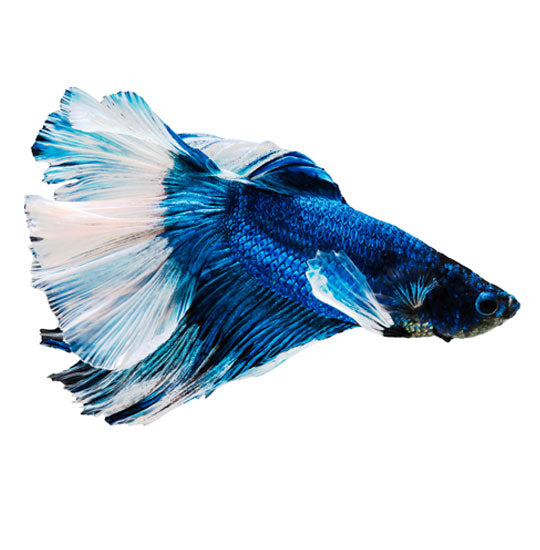
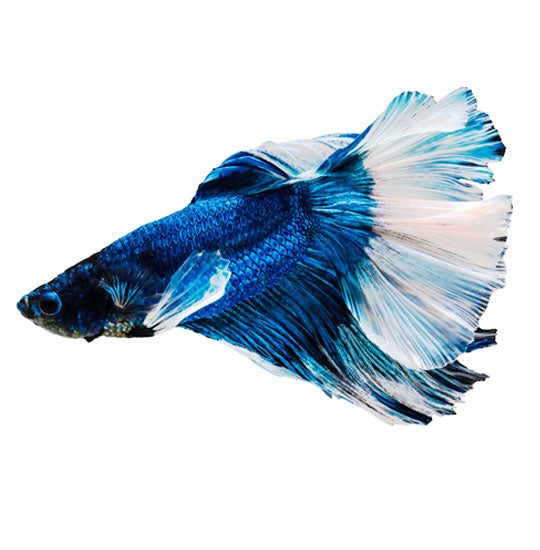
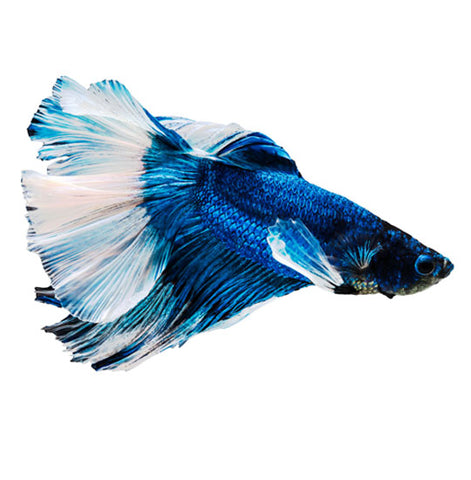
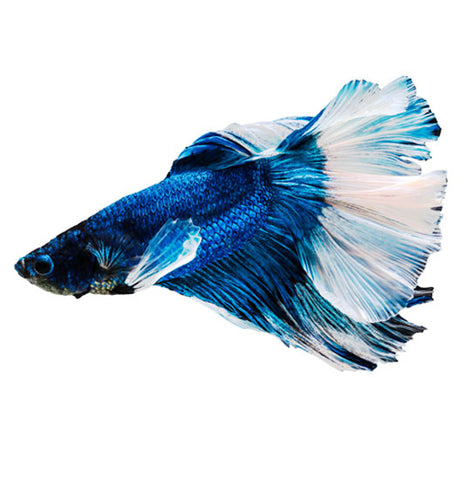
This listing offers a Betta -- a small, air-breathing freshwater fish (Betta splendens) -- in one of the many "fancy" multi-coloured patterns developed through selective breeding — marbled, bi-colour, or patchwork combinations rather than a single solid colour. The species is native to the slow-moving rice paddies, ditches, and floodplains of Thailand, Cambodia, Vietnam, and Laos, where the wild form is far more modestly coloured than any of the ornamental varieties bred today.
Fancy colour patterns like this one are prized in the hobby precisely because they're unpredictable — betta colour genetics, especially marbling, can shift slightly even after purchase, which is part of the appeal for enthusiasts.
Regardless of colour pattern, it shares the same biology as every other betta: a labyrinth organ for breathing surface air, and a solitary, territorial nature in males.
"Fancy coloured" refers to any of the wide range of vivid, multi-tone, or unusual colour patterns achieved through decades of selective breeding within Betta splendens, distinct from single-colour "solid" strains.
All bettas share the same wild origin: shallow rice paddies, floodplains, and slow drainage ditches across Thailand and neighbouring Southeast Asia, where the species evolved its labyrinth organ to survive in oxygen-poor, sometimes near-stagnant water.
Selective breeding for pattern and colour has been ongoing in Thailand for centuries, originally alongside breeding for fighting ability -- the ornamental strains sold today descend from the same stock but have been bred purely for show for many generations.
"Fancy coloured" describes betta stock bred for unusual, multi-tone, or marbled colour patterns rather than a single solid colour — patches, bicolour splits, and marbled patterns that can even continue to shift slightly over the fish's lifetime due to a transposable genetic element responsible for the marbling trait. Like all betta varieties, it is Betta splendens, native to Thailand's shallow rice paddies and slow-moving waterways.
Requirements
Keep singly, or as the sole betta in a community — never with a second male betta.
Its long fins are vulnerable to nipping, so tankmates need to be genuinely calm and non-aggressive, and it does better with gentle flow than strong current.
Feeding is easy — a good quality betta pellet as a staple, with occasional live or frozen treats.
One male per tank, kept alone or with carefully chosen, calm, fin-safe tankmates — never with another male betta, which will result in fighting.
A betta-specific pellet as the dietary staple, since bettas are primarily carnivorous, supplemented occasionally with live or frozen bloodworm or brine shrimp.
A tank of at least 20 litres with a heater and gentle filtration suits this species far better than a small unheated bowl.
Marbled and multicolour bettas can genuinely change pattern gradually over months as they mature, which is a normal genetic trait of the marbling gene rather than a sign of illness. As with every betta, one fish per tank is essential — never house two bettas together, and choose any other tankmates carefully to avoid fin-nipping or aggression.
A varied diet of quality betta pellets plus occasional live or frozen bloodworm/brine shrimp keeps colour and condition at their best, and small, frequent feedings suit its small stomach better than one large feeding.
Stable, cycled water conditions and a heated tank of at least 15-20 litres suit this fish far better than the small unheated bowls sometimes marketed for bettas, supporting both health and vivid colour display.
Regular partial water changes of around 25-30% weekly help maintain both health and the vividness of its marbled or multicolour pattern. Sudden temperature swings are more stressful to bettas than to most community fish, so a reliable heater matters.
Compatibility

Water & Care Conditions
Standard betta care via its labyrinth organ's tolerance for still water:
- pH: 6.0–7.5
- Salinity / hardness: freshwater only, soft to moderately hard water
- Temperature: 24–28°C (75–82°F) — a stable heater is essential
- Light: moderate, with floating plant cover appreciated
- Oxygenation: tolerant of still, low-oxygen water; prefers calm water over strong flow
- Colour changes: gradual pattern shifts over months are a normal trait of marbled/fancy colour genetics, not a health concern by itself
- Housing: one male per tank always; heated, filtered water of at least 15-20 litres suits it far better than a small unheated bowl
- Diet: quality betta pellets as a staple, supplemented occasionally with live/frozen foods
- Longevity: typically lives 2-4 years with good care, occasionally longer
- Tank position: spends most time in the upper-to-middle water column near the surface
- Filtration: gentle flow is best, avoiding strong current that can tire a betta's fins
As a labyrinth fish it can breathe atmospheric air at the surface, tolerating lower dissolved oxygen and stiller water better than most community fish.
Gentle flow and smooth, snag-free decor help protect this species' fins, which are more delicate and prone to tearing than many other fish.
Unlike most tropical fish, this fish genuinely needs a tight-fitting lid with an air gap underneath, not to prevent jumping alone but because it periodically surfaces to gulp air through its labyrinth organ, and a fully sealed lid with no airspace can leave the air it breathes stale and humid.
A heater is essential despite the labyrinth organ's tolerance for lower oxygen -- bettas are true tropical fish and become lethargic, prone to illness, and short-lived in unheated, too-cool water, contrary to the common misconception that they can live in a small unheated bowl.