About & Origin
Water wisteria, Hygrophila difformis, is a fast-growing stem plant native to South Asia — India and Bangladesh in particular — where it grows in flooded rice paddies, ditches, and slow-flowing streams, both submerged and along the waterline.
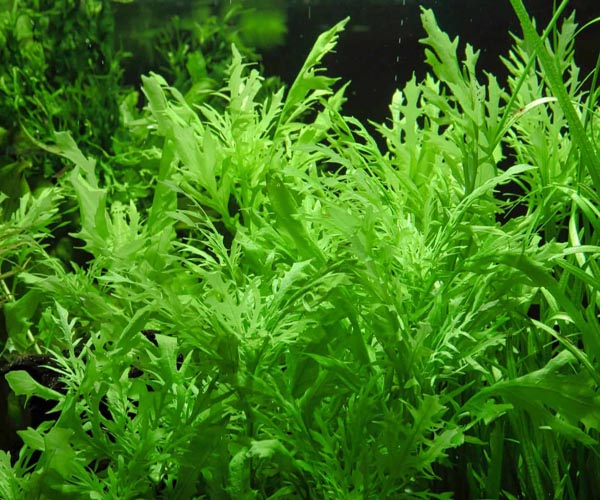
It's known for a genuinely unusual trait called heterophylly: the same species grows different leaf shapes depending on how it's grown. Submerged underwater, its leaves are deeply cut and lacy, almost fern-like; grown emersed with leaves above the surface, they come in broader and less divided. A submerged aquarium planting will always show the lacy form.
It's one of the classic fast, easy background stem plants of the hobby — quick to establish, quick to fill space, and forgiving of a wide range of setups.
The common name "water wisteria" comes purely from its lacy, fern-like submerged leaf shape resembling the terrestrial wisteria vine, not from any botanical relation — the two plants aren't related at all. In its native rice-paddy habitat it's a genuine amphibious weed of cultivated wetlands, tolerating both the fully flooded and periodically drained conditions of paddy fields, which explains why it copes so easily with the comparatively stable conditions of an aquarium. Left to grow emersed above the waterline it can flower with small purple blooms and produces broader, less-divided leaves quite different from the aquarium form most keepers ever see.
Because the leaf shape is so directly tied to how the plant is grown, water wisteria is sometimes used almost as a living indicator of tank conditions — new growth that comes in noticeably less finely divided than older leaves can be an early sign of insufficient light or CO2 reaching the plant, well before other, less visually responsive species would show any symptom at all.
Requirements
Water wisteria is a genuinely beginner-friendly stem plant.
Light: low to moderate light is enough for steady growth; more light speeds it up further.
CO2 and nutrients: not required — it grows well in low-tech tanks with no supplemental CO2, though it responds positively if either is available.
Planting: root as a background stem plant, or simply let it float, which it does readily and still grows well from. It's a fast grower and will need regular trimming to stop it shading out slower plants beneath it.
Propagation: cut and replant healthy stem tops, or separate plantlets that sometimes form along the stem.
Floating vs. rooted growth: unusually for a stem plant, it grows just as well left to float freely as it does rooted in substrate, which makes it a genuinely flexible option — float it for quick surface cover and shading, or root it as a conventional background plant, and it will adapt its growth to either. If rooted, the lower leaves often melt away as the plant transitions and redirects energy into new growth, which is normal rather than a sign of poor health.
Growth speed: this is one of the fastest-growing common aquarium plants available, capable of adding several centimetres a week under good light — a real asset for quickly filling a bare new tank and out-competing early algae for nutrients, but it does mean trimming needs to be a genuinely regular habit rather than an occasional chore.
Substrate: not especially picky about substrate type when rooted — it does well in nutrient-rich planted substrates but also tolerates plain inert gravel reasonably well as long as liquid or root fertilisation is supplied, since much of its nutrient uptake happens through the leaves and stem rather than the roots alone.
Compatibility
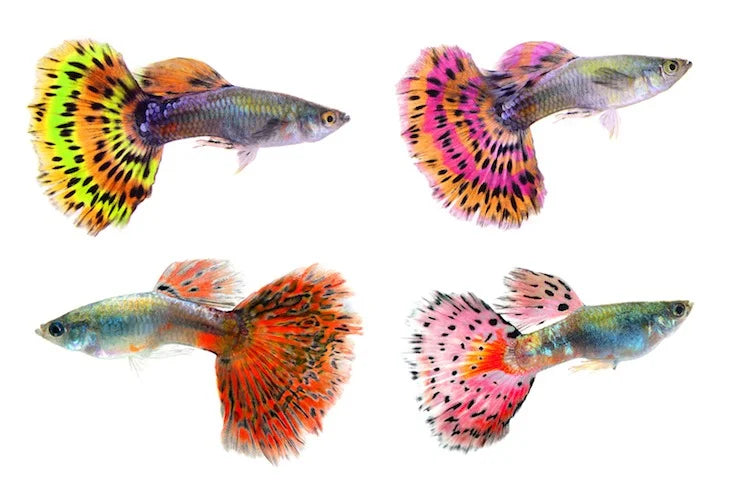
Water & Care Conditions
Water wisteria tolerates a wide range of typical community-tank conditions:
- pH: 6.0–7.8
- Hardness: soft to moderately hard, roughly 2–15 dGH
- Temperature: 22–28°C (72–82°F)
- Light: low to moderate is sufficient for healthy growth
It's one of the more forgiving stem plants on this list and adapts well to most established community setups without special adjustment.
Its rapid growth makes it a genuinely effective nutrient sponge in a new or algae-prone tank, since it takes up nitrates and phosphates quickly enough to noticeably out-compete algae once established. It's not demanding on CO2 or fertiliser to survive, but both will visibly speed growth and improve leaf density if supplied — a balanced liquid fertiliser a couple of times a week and, if injected, 15–30ppm CO2 both suit it well without any special dosing beyond a standard planted-tank routine. Because it grows so fast, it's also one of the more forgiving species to experiment with trimming technique on, since a mistake simply grows out again within a week or two rather than setting the plant back significantly. Weekly water changes of 20–30% support the pace of growth this species is capable of and help avoid a nutrient bottleneck as it rapidly draws down what's available in the water column.
Watch new growth for shape as a rough diagnostic: consistently broad, less-divided leaves on new stems (rather than the expected lacy form) usually point to low light reaching the plant, and moving it closer to the light source or increasing intensity typically restores the finer, more fern-like growth within a couple of weeks. Ammonia and nitrite should always read zero in an established tank regardless of how tolerant this species is of other parameters, since that's a baseline water-quality requirement for the whole tank rather than something specific to this plant.