About & Origin
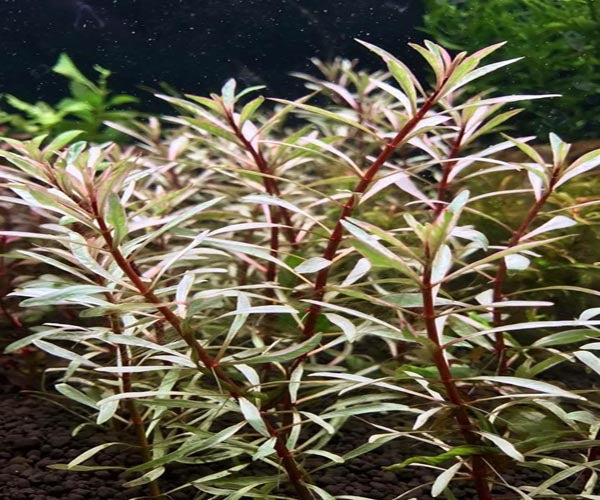
Needle-leaf ludwigia is a fine-textured aquarium stem plant — Ludwigia arcuata, native to the southeastern United States, where it grows in shallow ponds, ditches, and slow streams, often partly emersed along the waterline.
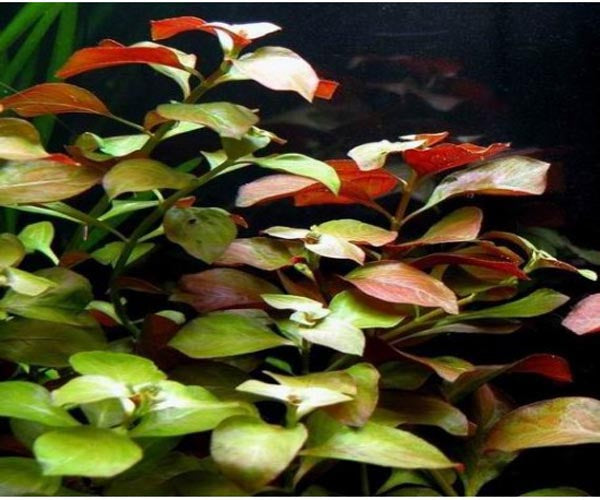
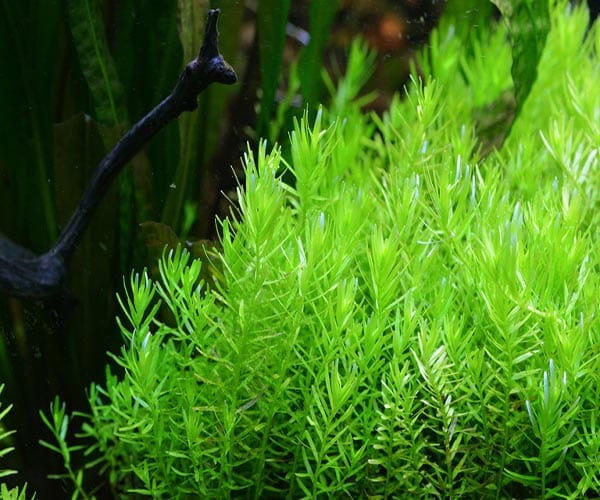
True to its common name, it's distinguished by narrow, needle-thin leaves rather than the broader oval leaves of most other Ludwigia species — giving the whole stem a fine, delicate texture. Colour ranges from green toward a warm orange-red along the leaf margins under good light, adding a soft, textured contrast against broader-leafed neighbours.
It's grown as a midground-to-background stem plant, valued in aquascaping for the movement and fine detail its narrow foliage brings to a layout.
Like several of its Ludwigia relatives, it's genuinely amphibious — able to grow either fully submerged underwater or emersed with its upper leaves and stem poking above the surface, which is exactly how it's typically found growing in its native wetland habitat. That flexibility is part of why nurseries can propagate it both as an aquarium plant grown in flooded trays and, less commonly, as an emersed marginal or bog-garden plant, and it's also why a stem that reaches the surface of an aquarium will often keep growing upward and outward above the waterline rather than simply stopping.
The needle-thin leaf shape is a genuine taxonomic feature that separates it from broader-leafed Ludwigia species like L. repens or L. palustris — the whole genus is fairly variable in leaf form, and arcuata sits at the fine, narrow-leafed end of that range. In a planted tank this gives it a distinctly airy, feathery silhouette that reads very differently at a glance from the more solid, leafy stem plants it's often grown alongside, which is a large part of its appeal to aquascapers building layouts with contrasting textures rather than only contrasting colours.
Requirements
Needle-leaf ludwigia is a moderately easy stem plant.
Light: moderate to high light keeps growth dense and brings out the red-orange leaf tones; in low light it grows more slowly and stays greener.
CO2: not required, but supplemental CO2 helps it grow more robustly and with denser foliage.
Growth form: can be grown fully submerged or emersed, and roots easily either way.
Planting and propagation: root as a stem plant in nutrient-rich substrate, trim the tip regularly to keep it bushy, and replant healthy cuttings as the base thins with age.
Common issue — leaf loss lower down: like most fine-leafed stem plants, arcuata is prone to shedding its lowest leaves as the stem ages and self-shades, leaving a bare "leggy" base with foliage only near the growing tip. This is normal growth behaviour rather than a sign of poor health, and the usual fix is simply to trim the healthy top portion off and replant it, discarding or composting the bare lower stem, so the group is continually refreshed with young, fully-leafed growth rather than allowed to grow tall and thin.
Placement: because the fine leaves can be easily overshadowed, it does best planted where it gets direct light rather than tucked behind taller, broad-leafed neighbours — a midground position with a clear light path from above suits it better than a background spot behind bushier plants.
Water flow: gentle to moderate circulation around the stems helps keep the fine foliage clean of debris and detritus, which is more visually obvious on this plant's delicate leaves than on broader-leafed species.
Compatibility with grazing tankmates: the thin, soft leaves are more vulnerable to nibbling from herbivorous or omnivorous fish and shrimp than tougher, broader-leafed plants, so in tanks with active plant-grazers it may need thicker planting or occasional replacement to stay looking full.
Compatibility
Water & Care Conditions
As a wetland plant used to warm, shallow, sun-drenched water, needle-leaf ludwigia is fairly forgiving of typical community-tank parameters, though — as with most red/orange-toned stem plants — its colour intensity is a far more sensitive indicator of how well conditions actually suit it than its bare survival is. It does best within these ranges:
- pH: 6.0–7.5
- Hardness: soft to moderate, roughly 2–12 dGH
- Temperature: 22–28°C (72–82°F)
- Light: moderate to high for the best colour and density
- Nutrients: a nutrient-complete fertiliser regime with iron supports both growth rate and the strength of the red-orange colouration, similar to most other coloured Ludwigia species
Outside these ranges it will usually survive but grow more sparsely and stay closer to plain green than red-orange.
Oxygenation / CO2: not a demanding species on this front — it will grow acceptably with just fish-waste-level CO2 and normal surface agitation for oxygen exchange, but supplemental CO2 injection noticeably thickens the stem and deepens the red-orange colouration if you're running a higher-tech setup already.
Because it originates from shallow, sun-exposed wetland habitat rather than deep or heavily shaded water, it generally tolerates brighter aquarium lighting setups better than many shade-adapted stem plants, making it a reasonable choice for tanks already running high-output lighting for other demanding species.
Water changes and stable dosing matter more for holding onto its colour than for keeping it alive — sudden swings in hardness or a lapse in fertiliser dosing tend to show up first as pale new growth or a reversion toward plain green, well before the plant shows any other sign of stress, which makes it a useful early visual cue that a planted tank's routine has drifted off track.