About & Origin
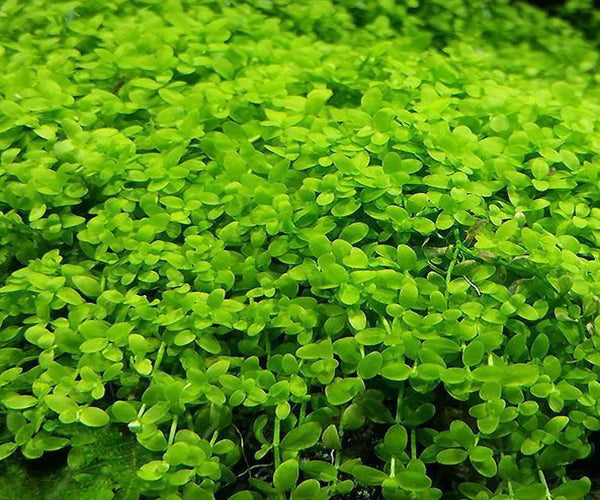
Monte Carlo (botanically Micranthemum tweediei, commonly sold simply as Micranthemum "Monte Carlo") is a small-leaved carpeting plant native to South America, found naturally in and around shallow streams and wetlands in Argentina and Uruguay. It rose to popularity in the aquascaping world as an easier, hardier alternative to the famously fussy dwarf baby tears (Hemianthus callitrichoides "Cuba"), thanks to its noticeably larger, rounder leaves and sturdier stems.
Left untrimmed it will grow upward rather than out, but with regular light trimming it spreads horizontally into a dense, low, bright-green lawn — one of the most widely used foreground carpet plants in modern aquascaping.
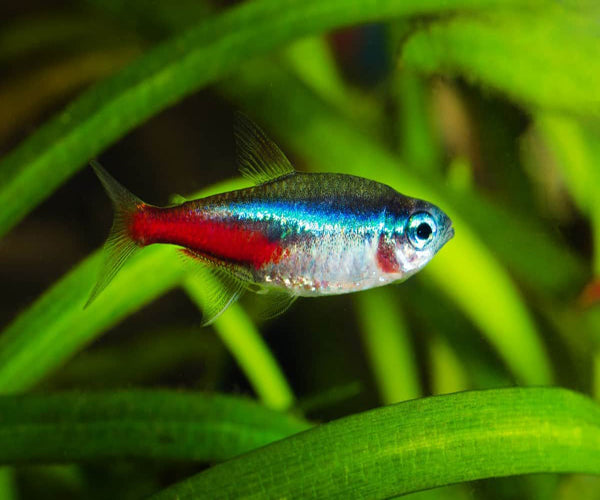
(For clarity: despite the site's older listing text describing it as a "freshwater fish," Monte Carlo is a plant, not livestock — a genuinely common source of confusion since it shares its trade name with several unrelated products. The information here describes the actual carpeting plant that's shipped under this listing.)
Compared with dwarf baby tears, Monte Carlo's larger leaf size makes it noticeably more forgiving of imperfect trimming and less prone to melting away entirely after a bad water change or a lighting change — a real, practical advantage for anyone newer to carpeting plants who wants the same low, green foreground effect without the reputation for fussiness that HC Cuba carries in the hobby.
Individual leaves are small, round and bright green, growing in opposite pairs along creeping stems that root at each node as they spread — this creeping, node-rooting growth habit is exactly what lets it knit together into a continuous mat rather than staying as isolated tufts. Because each rooted node can act as its own independent growth point, a Monte Carlo carpet is unusually resilient to partial disturbance: fish rooting through it, a light substrate stir during maintenance, or even patchy die-back in one area rarely kills the whole carpet, since surrounding healthy sections simply continue spreading to fill the gap over time.
Requirements
Monte Carlo carpets reliably, but getting a dense, low mat rather than a taller, looser patch depends on giving it enough light and, ideally, CO2.
Light: strong lighting is what actually drives a tight carpet — under moderate light it will still grow and spread, just more slowly and less densely. Placing it on a piece of wood or rock nearer the light source is a common shortcut in lower-light tanks.
CO2: not strictly required, but CO2 injection noticeably speeds up carpeting and makes the plant far more tolerant of higher light without algae issues.
Substrate & planting: plant small portions individually with tweezers, spaced a short distance apart, directly into nutrient-rich substrate. It typically takes 4-8 weeks under good conditions to fill in and form a full carpet.
Trimming: trim every 1-2 weeks once it reaches your target height — this is what pushes it to spread sideways into a carpet instead of climbing over itself. Trimmed clippings can be collected and replanted elsewhere to speed up coverage, since every rooted node is a viable new planting.
Emersed start (optional): many keepers start Monte Carlo emersed (grown above the waterline, in a very humid or covered setup) before flooding the tank, since it establishes roots faster this way — the plant will then transition to its submerged growth form once flooded. This isn't mandatory; portions planted directly underwater will carpet too, just somewhat more slowly.
Common early struggle — melting or yellowing: it's normal for a freshly planted carpet to lose a portion of its original leaves in the first couple of weeks as it adjusts to submerged, lower-light conditions compared to how it was grown at the nursery; new, adapted growth typically replaces it once the plant settles in, and this shouldn't be mistaken for the whole planting failing.
Compatibility
Water & Care Conditions
Monte Carlo is fairly adaptable on water chemistry — light and CO2 matter far more than the exact numbers below:
- pH: 6.0–7.5, does best close to neutral
- Water hardness: not particular about hardness, adapts to most community-tank water
- Temperature: 22–28°C (72–82°F)
- Light: moderate to high — strong light (plus CO2) is what produces a tight, low carpet rather than taller, sparser growth
- CO2: not required to survive, but injected CO2 is the single biggest factor separating a slow, patchy Monte Carlo carpet from a fast, dense one
- Fertilizing: benefits from root tabs at planting plus a regular liquid fertilizer dosing routine once established, particularly nitrogen and potassium for dense leaf growth
It's a genuinely tough plant that adapts to a wide range of setups, but a dense, showcase-quality carpet specifically depends on light and CO2 more than on fine-tuning water chemistry. Algae is usually the bigger practical risk than the plant itself struggling — because it needs strong light to carpet tightly, that same light can also fuel algae growth if CO2 and nutrient dosing aren't keeping pace, so the three (light, CO2, fertilizer) are best increased together rather than cranking light alone. A patchy or thinning carpet after it was previously full and healthy is more often a sign of a nutrient or CO2 shortfall relative to the light level than a water-chemistry problem.
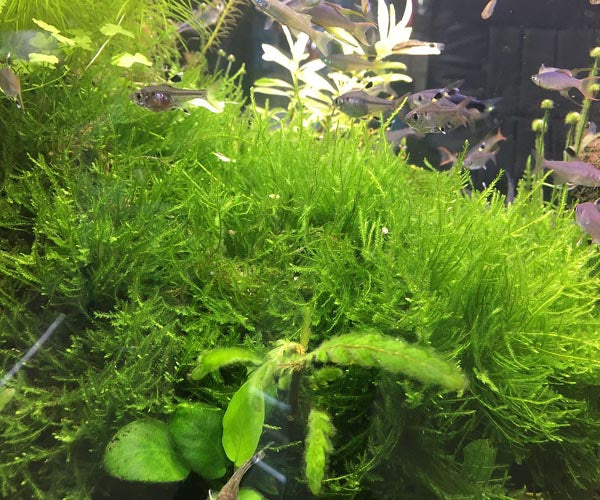
Once established, a healthy carpet is also reasonably tolerant of a bottom-dwelling cleanup crew (corydoras, dwarf shrimp) sifting through it — the shallow, densely networked root system holds the mat together well enough to survive light foraging, though very large or heavy-digging fish can uproot patches faster than the plant can re-anchor them.
Long-term maintenance is mostly about staying ahead of trimming rather than fighting problems: a carpet left to grow too tall for too long tends to shade its own lower/inner leaves, which can then die back and leave gaps once it's finally cut back down — regular, moderate trims keep the whole mat evenly lit and healthy rather than letting it build up into an overgrown patch that needs a harsh reset.