About & Origin
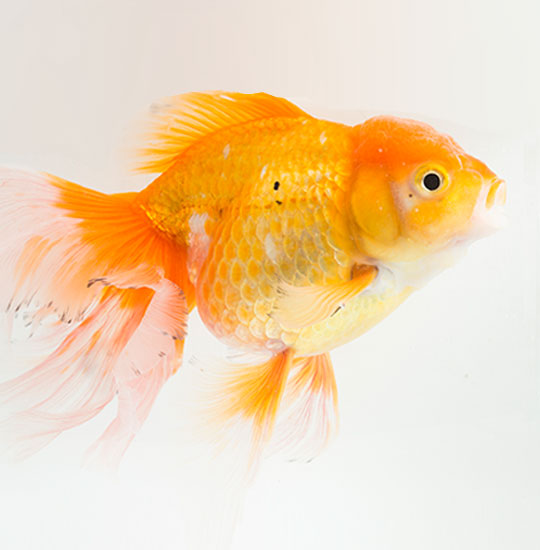
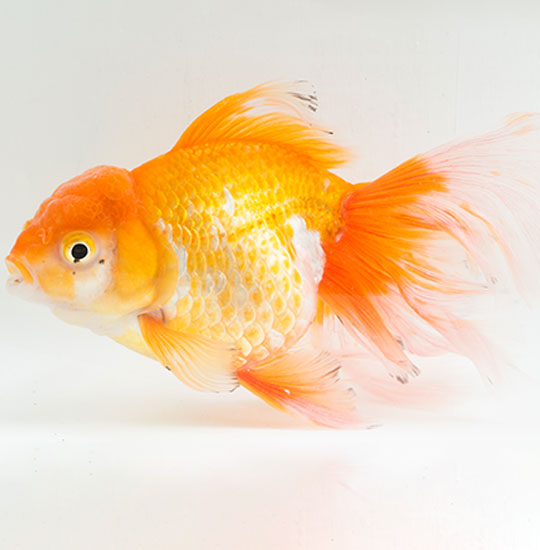
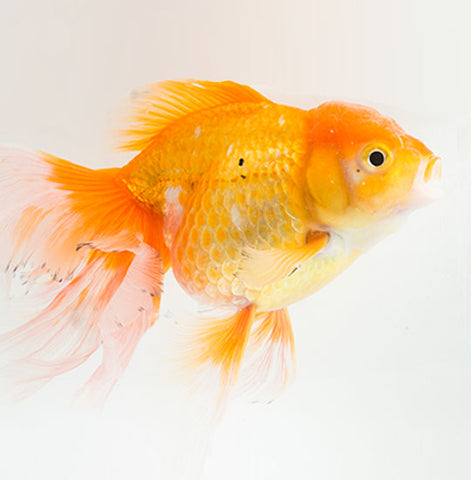
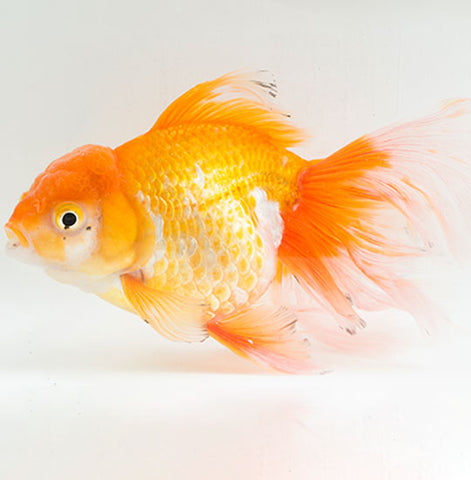
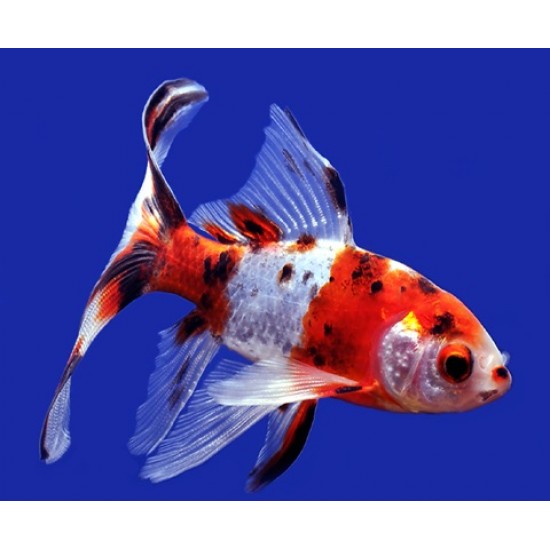
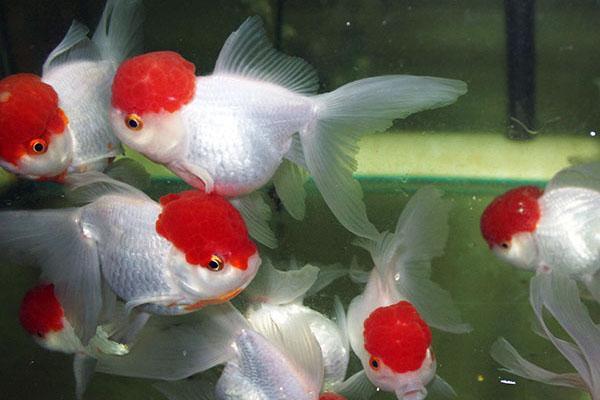
Goldfish (Carassius auratus) are a domesticated form of the wild Prussian carp, first bred in China over a thousand years ago and refined into hundreds of ornamental varieties since -- the gold oranda, known for its raspberry-like wen (head growth) seen here is one of many 'fancy' goldfish strains bred for body shape and headgrowth rather than the streamlined 'common' goldfish body.
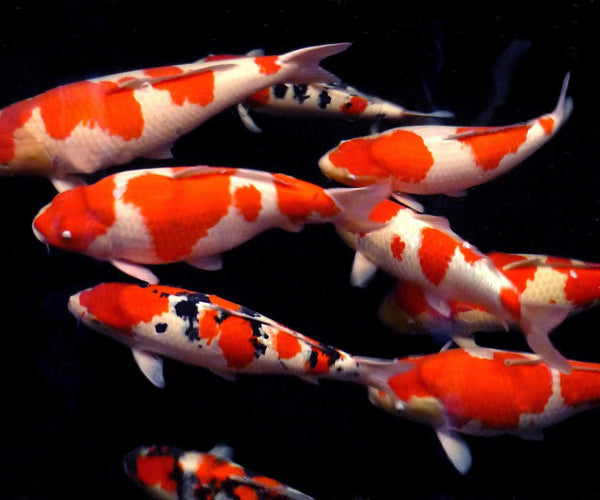
As a fancy variety, this fish typically has a shortened, rounded body and, depending on the strain, an enlarged fleshy head growth (wen), both of which trade some swimming speed and agility for its ornamental appearance -- it's generally a slower, less athletic swimmer than single-tailed goldfish or koi.
Goldfish are coldwater fish by origin, descended from a temperate carp, and have real biological differences from tropical community fish that matter for their care.
The wen (also called the hood or headgrowth) that gives the oranda its distinctive raspberry-textured head develops gradually as the fish matures, typically over its first one to two years, and its final size and shape are largely set by genetics -- no diet, supplement, or care routine reliably makes it grow larger or smaller than the fish's underlying breeding would otherwise produce. A well-developed wen is a genuinely prized trait in show-quality oranda lines, judged alongside body shape, colour, and fin quality at goldfish shows in the same tradition as koi and betta competitions.
Because selective breeding for the oranda's rounded body and headgrowth has traded away some of the streamlined swimming ability of the wild ancestor, this variety is also somewhat more prone to swim bladder issues than slimmer, single-tailed goldfish -- a real, biologically grounded reason (not just tradition) behind some of the specific feeding and housing advice given to fancy goldfish keepers.
Requirements
Goldfish produce a lot of waste relative to their size and need generous space and strong filtration -- a single fancy goldfish is comfortable from around 75-100 litres (20-25 gallons), with more for each additional fish, not the small bowls goldfish are stereotypically (and unsuitably) kept in.
Fancy varieties with a wen or rounded body are slower and less manoeuvrable than sleeker fish, so they do best with similarly slow, non-competitive tankmates -- fast or nippy fish can outcompete them for food or damage their headgrowth and fins.
They're easy, food-motivated omnivores -- a quality goldfish-specific pellet or flake as a staple, with blanched vegetables and occasional live or frozen food for variety. Overfeeding is the more common risk than underfeeding.
Soaking dry pellets briefly before feeding, or choosing a sinking rather than floating formula, is genuinely worth doing for round-bodied fancy varieties like the oranda -- gulping air along with dry floating food is a well-documented contributor to swim bladder problems (buoyancy issues that leave a goldfish floating sideways or struggling to stay upright) in this body shape specifically.
Water quality maintenance is a bigger factor in this species' long-term health than most tropical community fish: goldfish, and fancy varieties especially, produce a disproportionate amount of waste for their size, so filtration rated well above the tank's nominal volume and consistent weekly water changes matter more here than exact temperature or pH precision.
Group stocking should account for the oranda's slower, less agile swimming: even other goldfish varieties that are noticeably faster or more streamlined can outcompete an oranda for food if not watched, so feeding time is worth observing directly at least occasionally to make sure every fish in a mixed goldfish group is actually getting enough to eat.
Compatibility
Water & Care Conditions
As a coldwater carp, goldfish have real differences from tropical community fish, most importantly around temperature and waste load:
- pH: 7.0–8.4
- Water hardness: moderately hard to hard, 8–25 dGH
- Temperature: 18–23°C (64–74°F) -- a true coldwater fish, does not need or particularly want tropical heating
- Oxygenation: high bioload for its size -- strong filtration and good aeration matter more than for most fish this size
- Water changes: weekly partial water changes of 25-30% are worth treating as standard, not occasional, given how much waste this species produces relative to its size
- Feeding: soaked or sinking food reduces air-gulping and swim bladder risk, a real, specific concern for round-bodied fancy varieties like the oranda
- Common issues: swim bladder disorder (buoyancy problems), ich, and fin/wen damage from sharp decor or nippy tankmates are the most frequently seen issues, most of which are manageable through diet, water quality, and appropriate tankmate choice
- Decor: smooth, rounded decor without sharp edges protects the delicate wen tissue from injury or infection, which is more vulnerable to damage and infection than ordinary scaled skin
- Growth planning: reaches most of its adult size within its first 2-3 years given good food and space, so the eventual 75-100+ litre setup should be planned for from the outset
- Longevity: a well-kept oranda can live 10-15 years or more, so its housing and tankmates are worth choosing with that long timeframe in mind
- Lighting: not especially light-sensitive; standard aquarium lighting suits this species fine without needing anything specialised
- Acclimation: a hardy species overall, but still benefits from a slow, drip-style acclimation, especially given its sensitivity to sudden temperature changes as a coldwater fish
- Substrate: smooth, rounded gravel or sand is safer than sharp material given this variety's habit of foraging along the substrate with a delicate, sensitive head