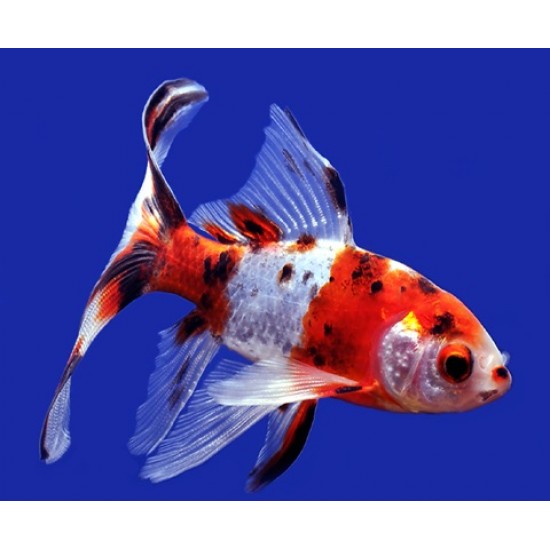
About & Origin
Goldfish (Carassius auratus) are a domesticated form of the wild Prussian carp, first bred in China over a thousand years ago and refined into hundreds of ornamental varieties since -- the fancy goldfish seen here is one of many 'fancy' goldfish strains bred for body shape and headgrowth rather than the streamlined 'common' goldfish body.
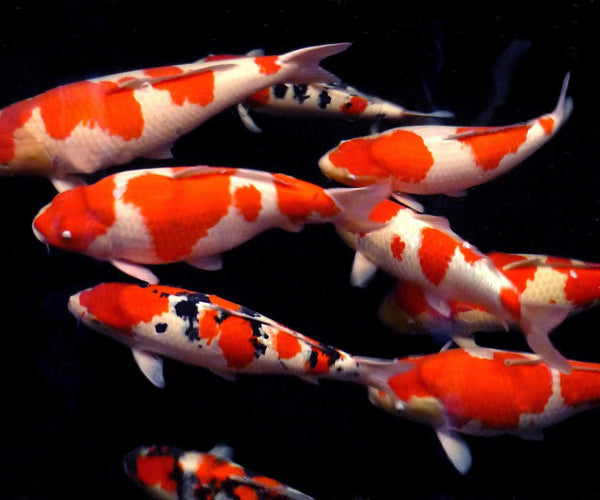
As a fancy variety, this fish typically has a shortened, rounded body and, depending on the strain, an enlarged fleshy head growth (wen), both of which trade some swimming speed and agility for its ornamental appearance -- it's generally a slower, less athletic swimmer than single-tailed goldfish or koi.
Goldfish are coldwater fish by origin, descended from a temperate carp, and have real biological differences from tropical community fish that matter for their care.
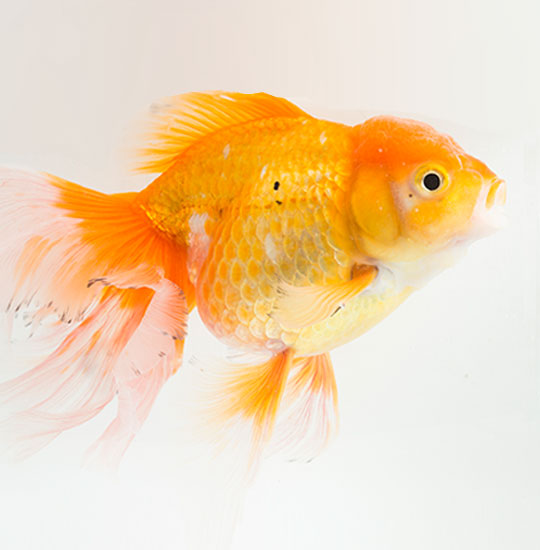
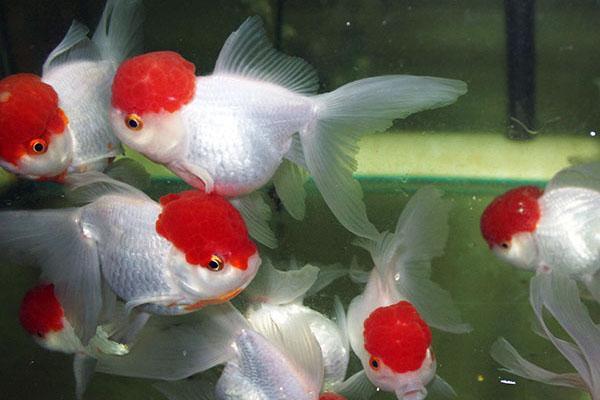
This particular listing is sold as a general "gold fish" stock item rather than under one single named fancy variety — in practice this usually means individual fish will vary somewhat in exact head growth, body roundness, and fin length even within the same batch, since it draws from general fancy-strain breeding stock rather than a strictly line-bred, standardised variety like a named Oranda or Ranchu. Buyers wanting a specific, consistent look (a defined head-growth pattern, a particular fin type) are better served by one of the explicitly named fancy varieties; buyers happy with "a healthy fancy goldfish, exact look may vary" get a perfectly good, hardy fish at a lower price point for it.
Requirements
Care is standard fancy goldfish husbandry: 75-100 litres minimum for one fish, more per additional fish -- not the small bowls goldfish are unsuitably associated with. The rounder, less agile body shape typical of fancy strains does best paired with equally slow, non-competitive tankmates rather than fast or nippy fish. Feed a goldfish-specific pellet or flake plus blanched vegetables, and watch portions -- overeating is the more common problem than underfeeding.
Selecting a healthy individual: since exact type varies batch to batch with a general listing like this, focus your selection on health markers over cosmetic ones — an actively swimming fish holding itself level in the water (not listing to one side or struggling to stay upright, both signs of swim-bladder trouble), clear eyes, full unclamped fins, and steady, even breathing at the gills. A fish that looks visually striking but is lethargic or off-balance is a worse buy than a plainer one that's clearly thriving.
Growth over time: fancy goldfish keep growing for years, and both body size and head/fin development continue to fill out well past the size sold at — a young fish bought small will look noticeably different, generally more developed and characterful, after a year or two of good care, so don't judge the adult look purely from a juvenile specimen.
Compatibility
Water & Care Conditions
pH 7.0-8.4, hardness 8-25 dGH, 18-23C (genuinely coldwater, no heater needed), strong filtration and aeration for a high bioload relative to body size. Rounder-bodied fancy strains are also more prone to swim-bladder trouble from overfeeding or gulped air with floating food -- briefly soaking dry food, or offering a sinking option, helps avoid this.
Bioload and filtration: goldfish are messy, high-waste fish for their size regardless of variety, and fancy strains with their compact bodies are no exception — plan filtration rated well above the tank's nominal volume, and treat weekly partial water changes as non-negotiable rather than optional maintenance, since ammonia and nitrite spikes are the single most common cause of preventable goldfish illness.
Temperature stability: while genuinely coldwater and tolerant of a wide temperature band, sudden swings are more stressful than a stable temperature at either end of the acceptable range — keep the tank away from direct sources of rapid heat or cold (windowsills, heating vents) rather than relying on the fish's tolerance to absorb daily swings.
Oxygenation: cooler water naturally holds more dissolved oxygen than warm tropical setups, which works in a goldfish's favour given their high bioload, but strong surface agitation and aeration are still worth running deliberately rather than assumed — a heavily stocked or lightly filtered tank can still run short on oxygen even at coldwater temperatures.