Only for Aquarium purpose
Planting plants and arrangement of plants
About & Function
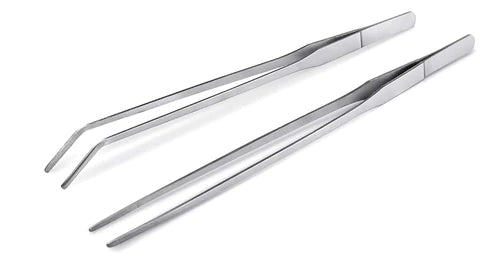
This pack of 2 long aquascaping tweezers (forceps) is a focused planting tool: extended, slim-jawed tweezers designed to reach to the bottom of an aquarium and place individual stems, rosette plants, or moss precisely into the substrate without disturbing the surrounding layout. Ordinary hands or short household tweezers simply can't do this once a tank is filled and planted.
Two tweezers rather than one is a genuinely practical choice for planted-tank work: one straight pair for general planting and precise stem placement, and typically one curved or angled pair for reaching around obstacles, tucking plants into corners, or working at an angle against the glass — tasks a single straight tool struggles with. Having both on hand means you're rarely stuck improvising with the wrong tool mid-aquascape.
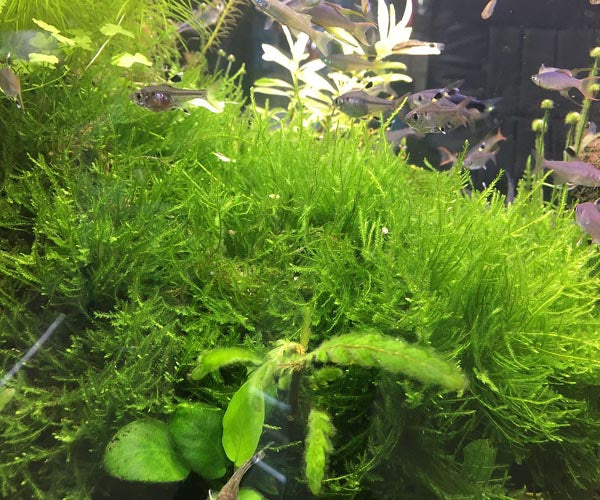
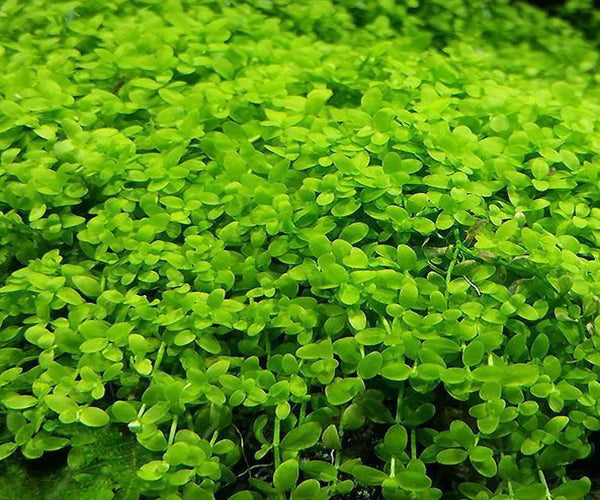
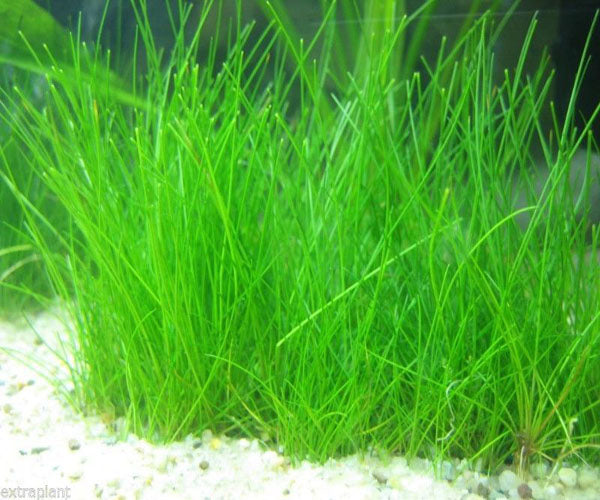
Long tweezers matter most for carpeting plants (like dwarf hairgrass or Monte Carlo), stem plants sold as loose cuttings, mosses that need to be tied or wedged into position, and any dense planting layout where fingers alone would uproot neighbouring plants while trying to place a new one.
They're a planting-focused tool rather than a general maintenance one — for trimming established growth you'd pair this with a set of long aquascaping scissors.
Serious aquascapers often reach for these tweezers even more than scissors during the initial setup phase of a tank, since almost every plant in a fresh layout has to be individually placed by hand, one stem or one grass blade at a time in the case of carpeting species — a job that's simply not practical with fingers alone once there's more than a few centimetres of water covering the substrate.
The slim jaw profile also matters for precision: a wide or blunt tip disturbs neighbouring plants and stirs up substrate every time you reach in to place the next one, while a narrow, tapered jaw can slip between existing stems to plant new growth in tight gaps without uprooting what's already there.
Requirements
These tweezers are simple hand tools with no power or setup required — the only real requirement is that their reach suits your tank's depth.
Reach: check the tweezers' length against your tank's actual depth; for anything deeper than roughly 45–50cm, make sure the pair you're using is long enough to comfortably work at the substrate without submerging your hand.
Material: stainless steel is standard and holds up far better to constant water exposure than coated or plastic tweezers, which can flake or corrode over time.
Grip technique: for the best results, grip a plant low near its base/root mass (not by the leaves, which can tear) and insert it into the substrate at a slight angle to anchor it more securely than planting straight down.
Use case: this tool is built for live planted tanks specifically — it has limited use in a fish-only or decor-only setup with no live plants to place, though it can still double as a general-purpose retrieval tool in any tank.
Practice pays off: the underwater angle and refracted-light distance take a little getting used to compared to working above the waterline — most people find their placement accuracy improves noticeably after the first few planting sessions.
Beyond planting: the same tweezers are handy for general tank tasks too — removing a stray leaf, retrieving a piece of decor, or plucking out algae by hand, without having to reach an arm fully into the water.
Which pair for which job: reach for the straight pair for open, unobstructed areas of substrate and the curved/angled pair whenever you're working close to glass, around rocks or driftwood, or trying to tuck a plant into a spot the straight tweezers can't approach at a comfortable angle.
Compatibility
Specifications & Maintenance
These tweezers need minimal upkeep, but a couple of habits keep stainless steel tools rust-free and working smoothly:
- Rinse and dry after each use: water left to air-dry at the joint/hinge can eventually cause light corrosion or stiffness; towel-drying after a plain-water rinse prevents this.
- No soap or chemical cleaners: plain water is sufficient and avoids leaving any residue that could later end up in the tank.
- Store dry, out of the tank: leaving tools sitting submerged between uses accelerates wear compared to drying and storing them separately.
- Keep the tips aligned: tweezer tips that get bent or misaligned from being dropped or forced lose their precision for delicate planting work — handle gently and store where they won't get crushed by other tools.
- Match the tool to the plant: use the straight pair for open, easy-access planting and the curved/angled pair for tight corners or awkward angles against the glass, rather than forcing one tool to do both jobs.
- Storage: a dedicated pouch or holder keeps the tips protected between uses and stops them from getting bent by other tools sharing a drawer.
- Sharpening isn't relevant: unlike scissors, tweezers don't need sharpening — their function depends entirely on tip alignment and grip pressure rather than a cutting edge, so keeping the tips true is the main long-term maintenance concern.
- Cross-contamination: if used to handle plants from a quarantine or new-plant dip tank, rinse before using the same pair in your main display tank, the same hygiene principle that applies to nets and other tools moved between systems.
With basic rinse-and-dry care between uses, a stainless steel tweezer set like this typically lasts for years of regular planting work, easily outlasting several rounds of tank rescaping.