About & Origin
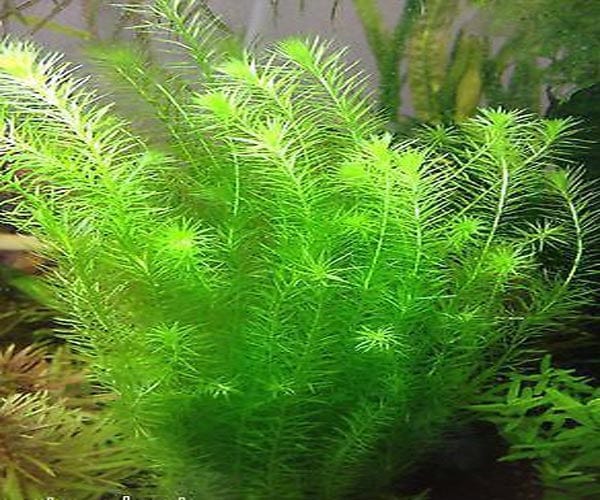
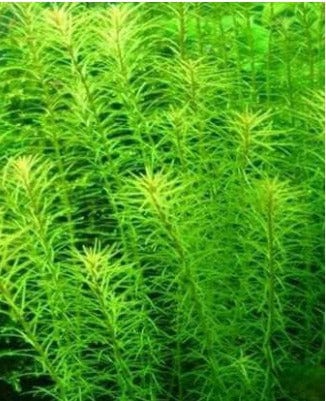
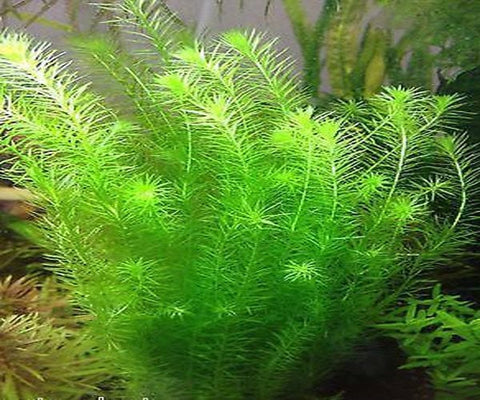
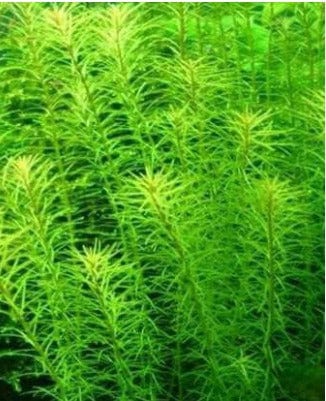
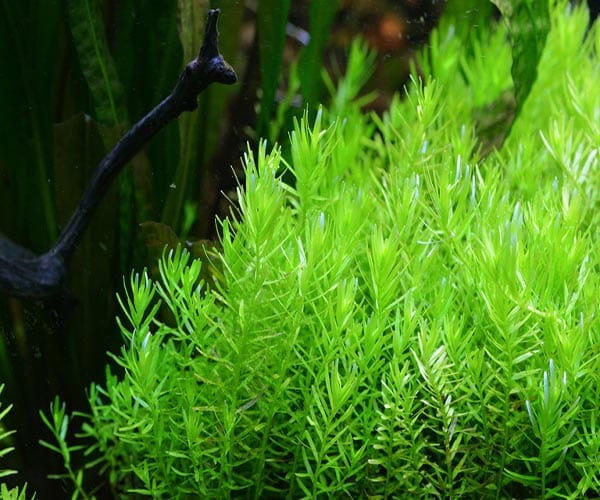
Rotala wallichii is a delicate, fine-leaved stem plant native to soft, slightly acidic waters across Southeast Asia, including India, Sri Lanka and Myanmar. Its very finely divided, needle-thin whorled leaves give the plant an airy, feathery texture, closer to a Myriophyllum than to broader-leaved Rotala species like R. rotundifolia. This green form keeps that same fine texture without the red tip colouration of the more common red variety, giving a softer, all-green feathery look.
It's a popular choice for adding fine texture contrast against broader-leaved plants in an aquascape, without introducing another strong colour into the layout.
Rotala wallichii is an aquatic stem plant in the loosestrife family (Lythraceae), growing as an emergent marsh plant in its native range where water levels drop seasonally, and fully submerged year-round once established in an aquarium. In nature it typically grows scattered among denser marginal vegetation rather than in solid stands, which is part of why it reads best in a tank planted in dense clusters rather than as a single thin stem — a lone stalk tends to look sparse and gets lost among bolder neighbours.
Unlike the red form, this green variant's colour is stable regardless of light intensity or nutrient dosing — it won't shift toward pink or red tips under stronger light the way the red form does, so buyers specifically wanting to avoid or include that colour-shift effect should pick the form accordingly.
Requirements
Like the red form of this species, this is a genuinely demanding plant better suited to an experienced planted-tank keeper than a first stem plant.
Light: needs strong lighting to keep its fine, dense growth form — under weak light it thins out noticeably.
CO2: pressurized CO2 injection is close to non-negotiable for long-term success; it struggles without it.
Nutrients: wants a steady, low-but-never-zero nitrate level, higher phosphate than many plants, and consistent iron/micronutrient dosing.
Placement & trimming: easy to prune if it grows too tall, which makes it usable as a background or midground plant even in smaller tanks — trim and replant tops regularly to keep it dense.
Planting density: because the wild growth habit is scattered rather than dense, this species benefits from being planted in tight clusters of several stems close together from the start, rather than spread thinly — a dense cluster also self-shades less at the base, keeping lower leaves from dropping as quickly as an isolated stem would.
Common failure mode: the most frequent reason this species fails in a tank is simply being planted in otherwise "easy" low-tech conditions expecting it to adapt — it generally doesn't; growth stalls and lower leaves melt away within weeks rather than the plant gradually toughening up, so it's worth confirming your tank already runs CO2 and strong light before buying rather than hoping to grow into the requirement afterward.
Compatibility
Water & Care Conditions
A genuinely more particular species than most easy stem plants — these conditions matter for real success, not just survival:
- pH: soft, acidic water, roughly 5.5–6.9
- Temperature: 21–28°C (70–82°F), doing best around 24°C (75°F)
- Light: high — genuinely needed to keep growth dense rather than thin and sparse
- CO2: pressurized CO2 injection (roughly 25–30ppm) is considered essential for long-term health, not optional
- Nutrients: steady nitrate (never letting it hit zero, but not excessive either), higher phosphate, and regular iron/micronutrient dosing
Considered a difficult species overall — best kept by aquarists already comfortable running a properly dosed, CO2-injected planted tank.
Signs of good vs. poor conditions: healthy growth shows tight internodes (the leaf whorls packed close together along the stem) and a fresh green colour right down near the substrate. Stretched-out internodes with bare, leggy lower stems and pale, yellowing lower leaves both point to insufficient light reaching the base of the plant — usually solved by trimming taller neighbouring plants that are shading it out, or by raising the light intensity.
Because it's genuinely more finicky than most stem plants sold on this site, it's a good idea to buy a few extra stems beyond the minimum you think you need — some inevitable melt-back while it adjusts to a new tank's specific water chemistry is normal even in good conditions, and having a small buffer avoids the layout looking sparse during that settling-in period.