About
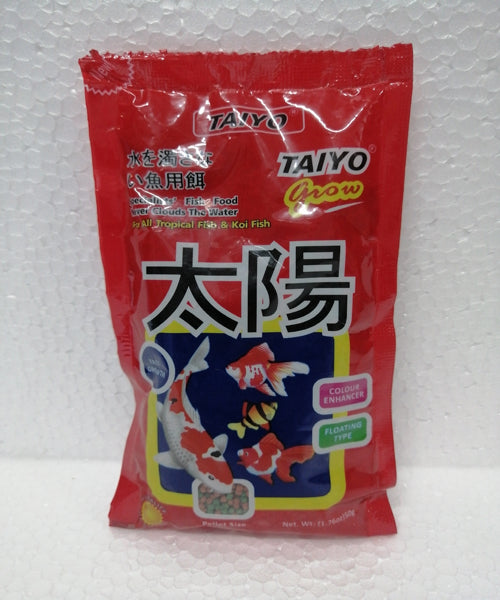
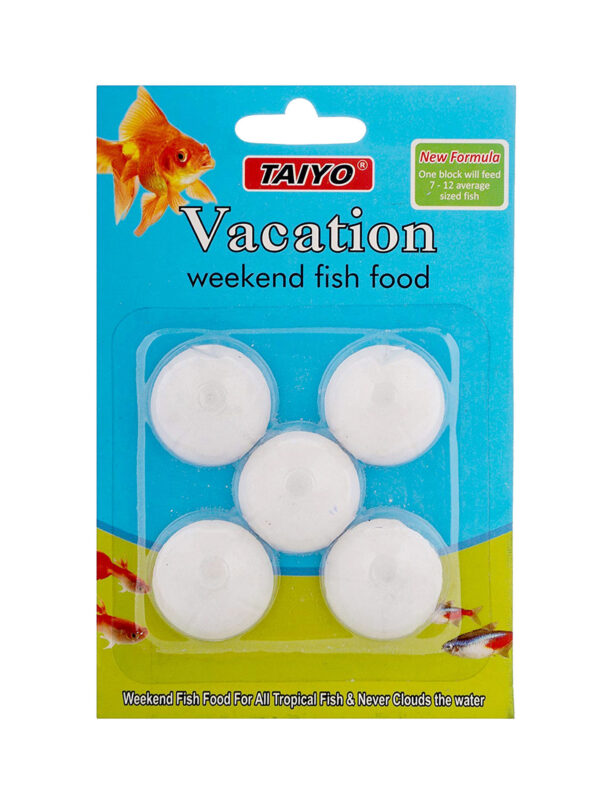
This is a 100 gram packet of Taiyo staple fish food — a general-purpose everyday food intended for common tropical community fish, providing a balanced mix of protein, plant matter, and micronutrients for regular daily feeding rather than targeting one specific species.
As a mainstream staple brand product, it's built for reliability and broad palatability across a mixed community tank, functioning as the day-to-day backbone of a feeding routine.
Like most general staples, it works best as a consistent daily base, complemented occasionally with a more specialised or protein-rich food for dietary variety.
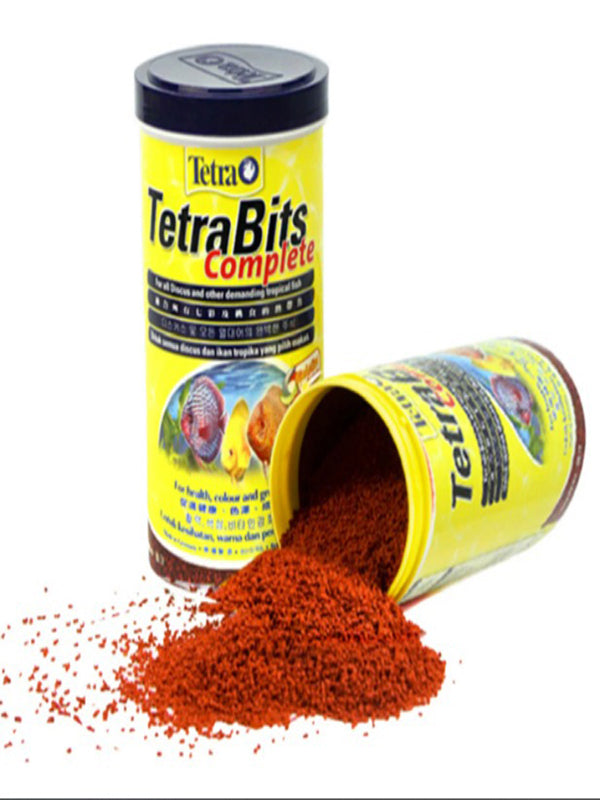
General staples in this category are typically formulated as flakes or small floating granules — a format that suits the broadest range of common community fish (tetras, barbs, livebearers, gouramis, and similar mid-water feeders) since it stays available at the surface long enough for slower or shyer fish to reach it before it breaks apart and disperses. The ingredient base usually blends a fish/shrimp-meal protein source with plant matter (spirulina or wheat/soy derivatives) and added vitamins, giving a rounded nutritional profile rather than the heavier protein skew of a specialist carnivore food.
Taiyo is a widely stocked, budget-accessible brand in the Indian aquarium retail market, and this everyday staple line is the kind of product most home aquariums realistically run on day to day, reserving pricier or more specialised foods for occasional variety rather than routine feeding.
Requirements
Feed small amounts once or twice daily, only what fish finish within a couple of minutes — leftover food sinking and decomposing is one of the most common avoidable causes of poor water quality in a community tank, and it's a much bigger factor in day-to-day water clarity than most new keepers expect.
Suited to general community omnivores; species with more specific dietary needs (bottom feeders, fry, specialist carnivores) are better served supplementing this with a targeted food rather than relying on it exclusively, since a broad staple is formulated for the average fish in a mixed tank rather than any one specialist diet.
Store sealed in a cool, dry place; opened packets exposed repeatedly to humid air lose nutritional value and can develop an off smell over time, and flakes in particular are prone to clumping or crumbling to dust if moisture gets in through a loosely resealed bag.
A pinch at a time rather than a full measured scoop tends to work better in practice for most home tanks — it's easier to add a bit more if fish are still visibly interested after a minute than to remove excess that's already sunk and started fouling the water. Feeding at roughly the same time each day also helps fish settle into a predictable routine and makes it easier to notice if appetite drops off, which is often one of the earliest visible signs something in the tank needs attention.
Compatibility
Feeding Guidelines
As an everyday staple, consistent portioning and proper storage matter most — there's no dosing complexity here, just good habits repeated daily:
- Feeding amount: only what's cleared in 1–2 minutes, once or twice daily — resist the urge to feed more just because fish keep swimming up expectantly
- Best suited for: general community omnivores as a daily staple; not a substitute for a targeted food if a fish has more specific needs
- Storage: sealed, cool, dry, out of direct sunlight, away from steam or humidity near the tank itself
- Shelf life: use within a few months of opening; discard if it smells musty or has visibly clumped
- Format: flake or small floating granule, suited to mid-water community feeders rather than bottom-dwellers or fry, which may need the flakes crushed smaller or a sinking food instead
- Composition: balanced fish/plant-based staple rather than a heavy-protein specialist food
- Routine: feeding at a consistent time each day makes it easier to spot a drop in appetite early, often the first visible sign of a water-quality or health issue
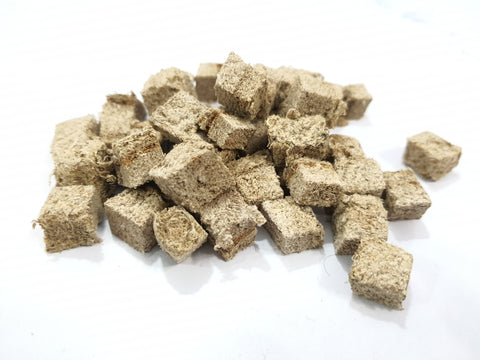
- Variety: as with any daily staple, rotating in an occasional protein-rich treat or vegetable-based food keeps the diet from being one-dimensional over the long run
- Mixed tanks: if the community includes both surface and mid-water feeders, watch that faster fish aren't clearing the whole portion before shyer tankmates get a turn