About & Function
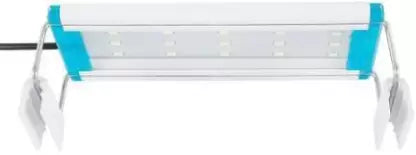
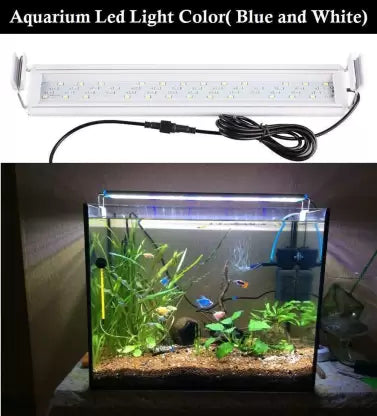
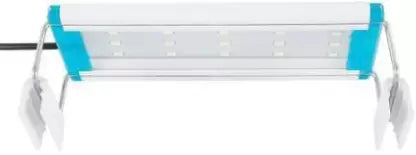
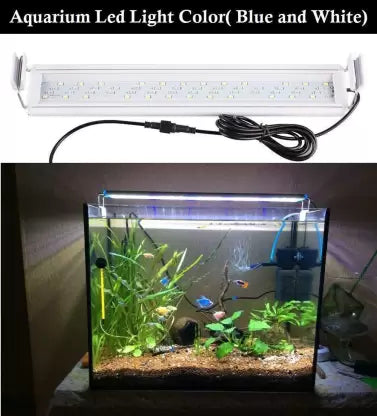
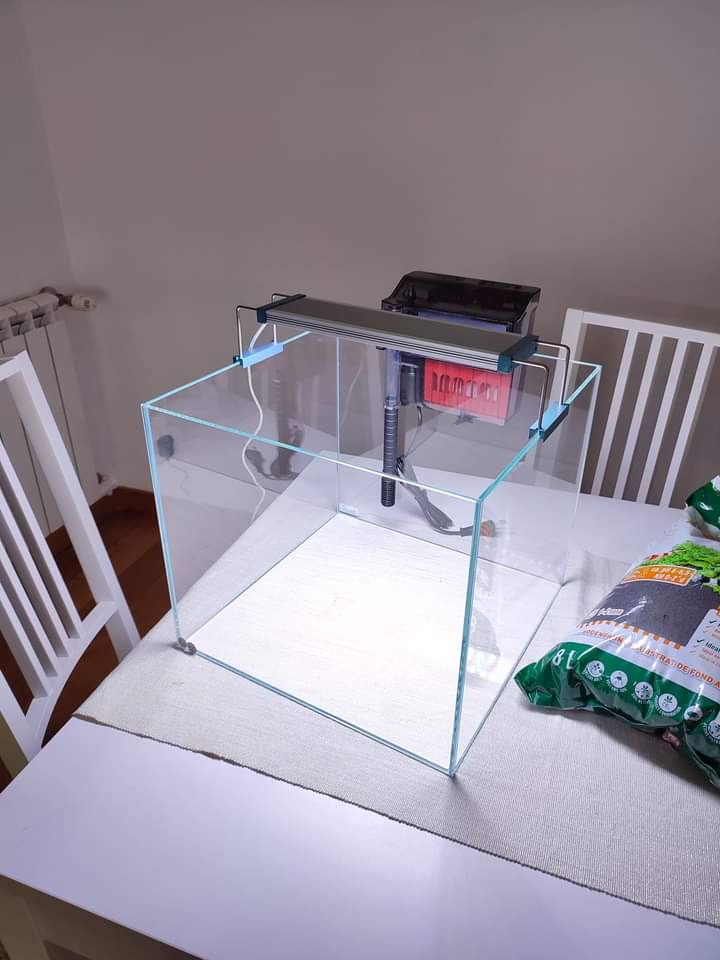
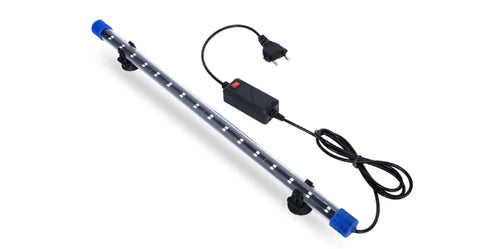
A top-mounted LED light bar, Model LA-30S, designed to sit above the tank rather than submerged inside it. It combines white and blue LEDs, letting you run bright white for a natural daytime look and highlighted colour, or switch to blue for a dimmer moonlight/evening effect, depending on the model's controls.
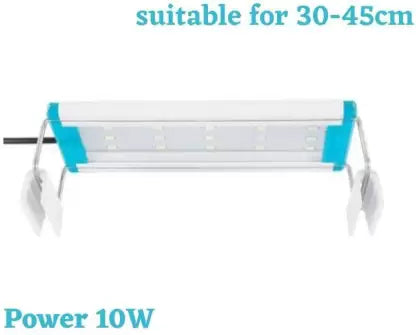
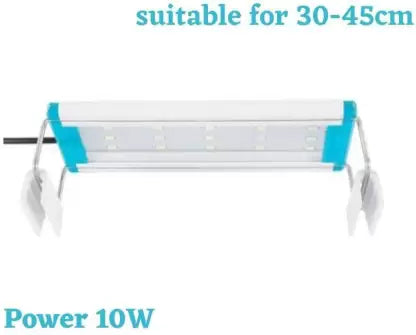
Top lighting is the standard way to light most freshwater and planted tanks: mounted above the water, it illuminates the whole tank evenly from top to bottom, which is what plants actually need for real photosynthesis-driving light rather than the accent effect a submersible light gives. At 10W with a plastic housing, this is a compact unit aimed at small tanks (rated for roughly 30–40cm) rather than large planted show tanks needing high-output lighting.
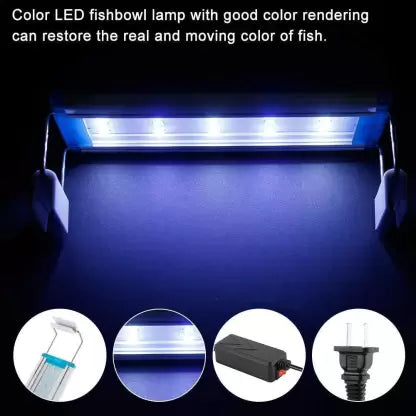
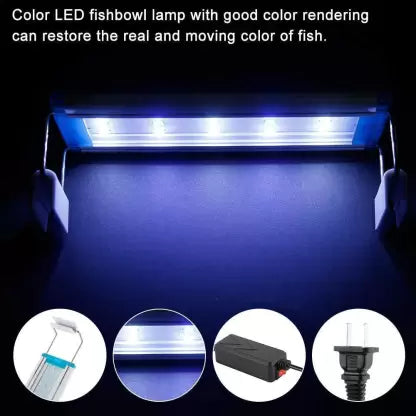
The white+blue LED combination and "3D lighting effect" styling are primarily about enhancing fish and plant colour visually — genuinely useful for everyday viewing, though a dedicated full-spectrum plant-growth light would be a better choice for a demanding, heavily planted setup.
A consistent light schedule also matters for the tank's biology beyond just visuals: too many hours of light (especially with nutrient-rich water) tends to drive algae growth, while a regular 8–10 hour daily cycle keeps fish on a natural day/night rhythm and gives plants a predictable photosynthesis window. Running the light on a simple plug-in timer is a common, low-effort way to keep that schedule consistent.
Requirements
This is a mains-powered fixture, mounted above the tank rather than submerged, so it doesn't need the same waterproofing precautions as an in-tank device — but keep it clear of splashes and condensation buildup on the housing regardless.
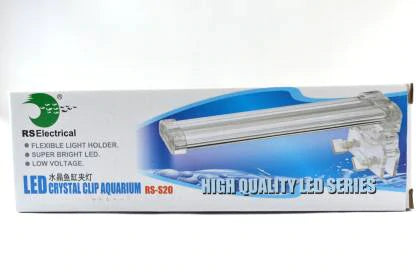
It's sized for roughly 30–40cm tanks, so on a longer tank you may need more than one unit (or a longer bar light) for even coverage edge to edge — a single 10W bar this size will only really light the section of tank it sits directly over. Most bar lights like this rest on extendable brackets or legs across the rim; check the tank's rim width/style is compatible before buying.
If the tank has a hood or canopy, confirm there's enough clearance for the fixture's height and any heat it generates; if it's open-top, keep the light itself and its cable away from where a jumping fish (bettas and some tetras are notorious jumpers) could make contact.
If aiming for real plant growth rather than just visual accent, be aware that a compact 10W unit like this is on the lower end of output for demanding, heavily planted setups — low-light, undemanding plants (Anubias, Java fern, Java moss) will generally do fine, while higher-light stem plants may grow leggy or pale without a stronger dedicated grow light.
Compatibility
Specifications & Maintenance
Real-world specifications and upkeep:
- Power: 10W, mains electricity
- Model / material: LA-30S, plastic housing
- LED colour: white + blue, switchable/combinable depending on the unit's control mode
- Suitable for: tanks roughly 30–40cm in length; longer tanks will need multiple units or a longer fixture for even coverage
- Cleaning: wipe the lens periodically to remove dust and condensation film, which noticeably reduces light output over time if left unchecked
- Longevity: LED brightness fades gradually over years of use rather than failing suddenly — normal for LED lighting generally
- Schedule: a consistent 8–10 hour daily light cycle, ideally on a timer, helps limit algae growth compared to inconsistent or excessive lighting hours
- Mounting: check the bracket/legs are seated securely on the rim each time it's removed for tank maintenance and put back
- Plant suitability: fine for low-light plants (Anubias, Java fern, moss); higher-light stem plants may need a stronger dedicated grow light alongside it
- Heat: LEDs run cooler than older lighting types but still warm the housing somewhat; ensure ventilation around the fixture rather than sealing it into a fully enclosed space
- Colour modes: switching between white and blue (or combining them) changes appearance only, not actual light intensity for plant growth
- Cable management: route the power cable so it isn't dangling where it could be knocked or chewed, and keep any connector away from splash zones even though the fixture itself sits above the waterline
- Replacement vs. upgrade: once brightness has faded noticeably after years of use, a full replacement is usually simpler than trying to service a sealed LED bar, and is also a natural point to consider upgrading to a higher-output unit if plant growth has been limited