Customer Reviews
About & Function
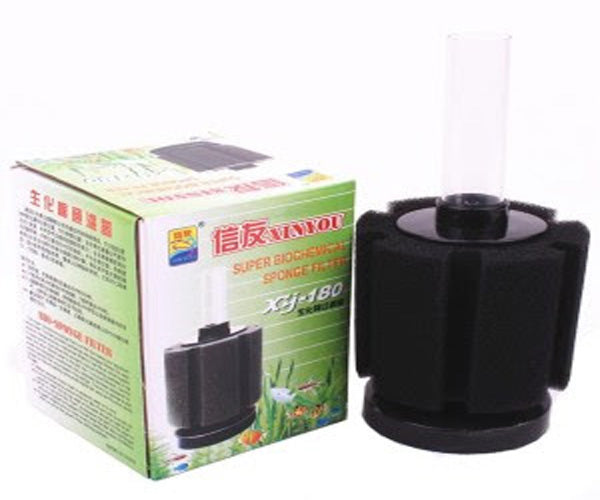
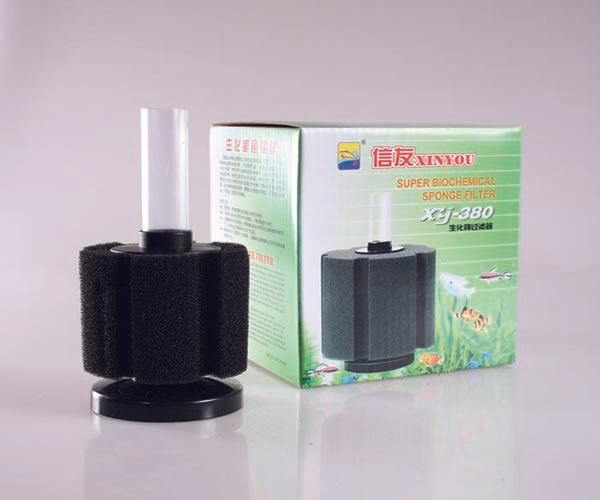
A sponge filter is a gentle, reliable form of aquarium filtration: a block of porous sponge fitted over a rigid tube, driven entirely by an air pump rather than an internal motor. Air bubbled up through the tube lifts water through the sponge, trapping debris (mechanical filtration) while the sponge's large surface area hosts a colony of beneficial bacteria that break down fish waste — the "super biochemical" framing here just points to that biological filtration capacity being the sponge's main job.
The XY-180 is rated for a suitable water volume of around 850 litres, sitting just below the larger XY-380 in this store's sponge filter range, and marketed for both freshwater and saltwater use. It suits mid-to-large tanks that want strong biological filtration without the stronger current a powered canister or hang-on filter produces.
Because sponge filters have no fast-spinning impeller, they remain a common choice even in larger tanks that also house fry, shrimp, or other delicate animals alongside the main stock.
At this capacity, it's also a common choice for breeders and multi-tank keepers who value a filter that offers a large amount of biological media surface area cheaply, and that can be rinsed and reused indefinitely rather than replaced like a disposable cartridge.
Requirements
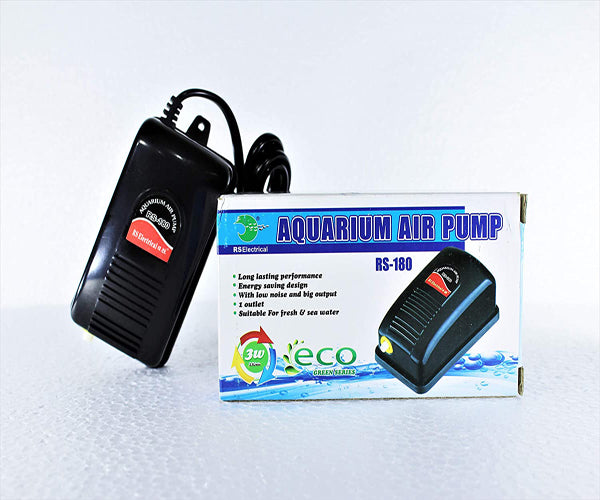
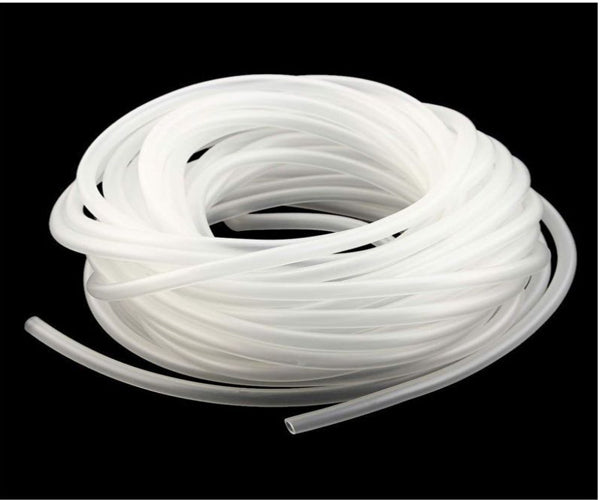
A sponge filter is entirely passive by itself — it needs an air pump connected via airline tubing to function at all; without a pump pushing air through the lift tube, no water moves through the sponge. A filter rated for this much volume needs a correspondingly capable air pump to actually drive it to its rated performance.
Being sized for mid-to-large tanks, it typically sits on the substrate, weighted or wedged in place, with clear space around the sponge for water to be drawn in freely. In heavily stocked tanks, pairing it with a second filter (sponge or powered) is common for more even coverage.
If replacing older filtration, moving an already-cycled sponge or media across rather than starting fresh helps avoid putting the tank through a new cycling period.
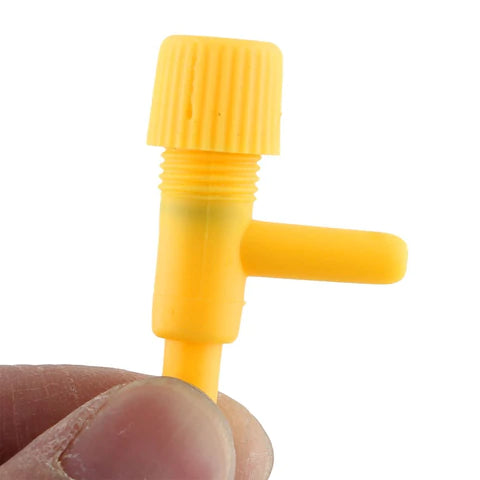
A flow-control valve on the airline allows tuning bubble output and current strength without needing a different-sized pump, useful if the tank is large but lightly stocked and doesn't need the filter running at full output yet.
Match the air pump's pressure rating to the tank's actual depth, since deeper water needs more pump pressure to push bubbles reliably through the lift tube, and keep the airline run reasonably short and unobstructed for consistent output.
Compatibility
Specifications & Maintenance
Real-world specifications and upkeep:
- Power: none directly — passive filter driven entirely by an external air pump
- Rated capacity: suitable water volume of approximately 850 litres
- Suitable for: freshwater and saltwater tanks, biological filtration for mid-to-large setups
- Cleaning: rinse gently in removed tank water (never tap water, which kills the beneficial bacteria) every 1–2 weeks; squeeze rather than scrub to preserve more of the bacterial colony
- Signs it needs attention: visibly reduced bubble flow or a dense, slimy sponge usually means it's due for a gentle rinse
- Air pump sizing: use a pump capable enough to match this filter's rated volume
- Multiple filters: a single larger pump can drive several sponge filters via a manifold/gang valve for multi-tank setups
- Flow adjustment: a flow-control valve tunes output down for a lightly stocked large tank
- Seeding: transplanting already-cycled media helps a new or replacement setup skip a fresh cycling period
- Longevity: the sponge itself has no fixed lifespan and can be reused for years with regular gentle rinsing
- Positioning: leave clear space on all sides for water to be drawn in across the full sponge surface
- Where it fits in the range: sits between the smaller XY-2835 and the larger XY-380, making it a solid single-filter choice for a mid-to-large tank that doesn't need the 380's full 1050L capacity
- Oxygenation: the constant stream of air bubbles driving the filter also adds a useful side benefit of extra surface agitation and gas exchange, on top of its filtration role
- Noise: quieter than most motorised power filters, since the only moving-parts noise comes from the air pump itself, not the filter unit