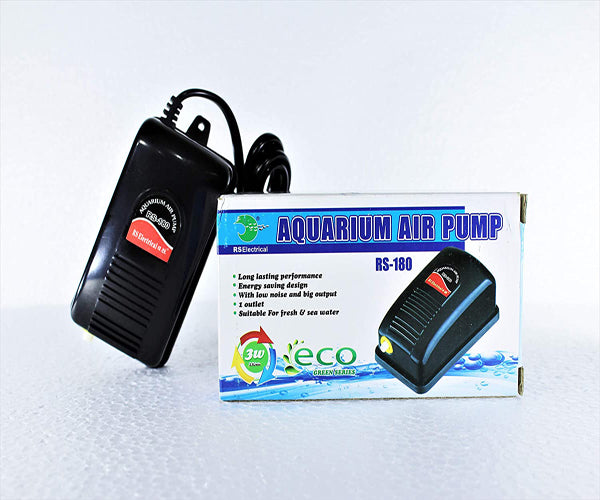
About & Function
The RS Electrical 180 is an aquarium air pump — a small motor that pushes ambient air through a diaphragm and out through a nozzle, driving a stream of bubbles through airline tubing to an air stone, sponge filter, or ornament inside the tank. It doesn't touch the water itself; it sits outside the tank and just supplies the air.
Rising bubbles do two useful things at once: they physically drag water up from the bottom of the tank to the surface (creating gentle circulation), and that surface disturbance increases gas exchange, letting oxygen dissolve in and excess CO2 escape. Many sponge filters and some hang-on/internal filters are also air-driven rather than motor-driven, relying entirely on a pump like this one to work.
Inside, a small electromagnet vibrates a rubber diaphragm back and forth many times a second — this is the same basic mechanism used in the vast majority of budget and mid-range aquarium air pumps, as opposed to the quieter (and pricier) linear piston pumps found on some premium models. The trade-off is a faint mechanical hum most keepers stop noticing within a day or two, but it's worth knowing before you buy if the tank sits somewhere noise-sensitive, like a bedroom.
The "180" designation is the model's rated air output, not its price or wattage — it places this pump toward the lower-to-mid end of RS Electrical's range, suited to a single outlet rather than driving several air stones or a large sponge filter bank at once.
Requirements
Power: plugs into standard mains electricity — it's not battery powered, so it needs a nearby outlet and runs continuously while switched on.
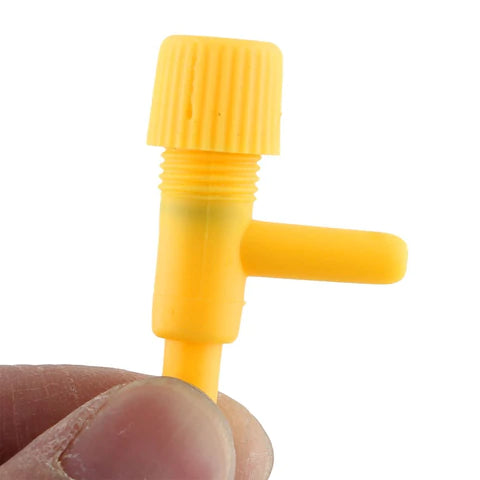
Setup: sits outside the tank (on top of the cabinet or hung above the waterline) and connects via flexible airline tubing to whatever you're driving with it — an air stone, a sponge filter, an ornament, or a gang valve splitting the air to several outlets at once. Position it above the tank's waterline where practical, or fit a check valve in the line, to stop water siphoning back into the pump if the power cuts out.
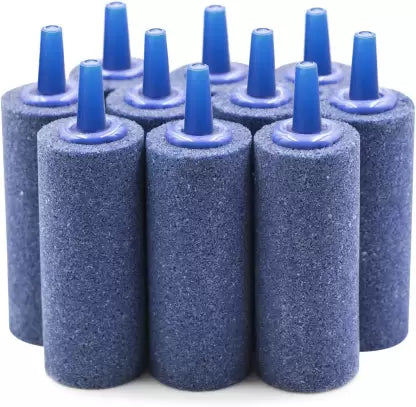
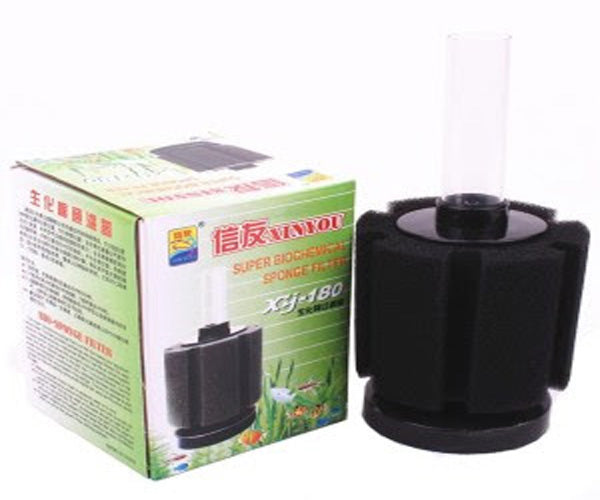
Pair it with an air stone or sponge filter to actually put the airflow to use — the pump alone just moves air, it doesn't filter or aerate anything by itself without something on the other end of the tubing.
Tubing: takes standard-bore airline tubing (the same size used across almost all hobby air stones, valves, and sponge filters), so there's no special fitting to source separately — any generic aquarium airline and gang valve will connect straight to the outlet nozzle.
Placement noise: like all diaphragm pumps it vibrates slightly against whatever surface it rests on, which can amplify the hum — standing it on a folded cloth or a small foam pad on the cabinet top noticeably quietens it compared to setting it directly on bare wood or glass.
Compatibility
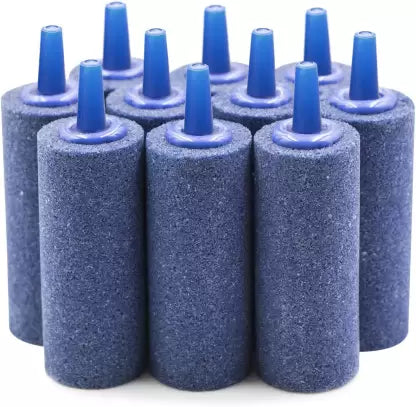
Specifications & Maintenance
Real-world specs and upkeep for the RS Electrical 180:
- Power: mains-powered, continuous duty
- Output: a steady stream of air suitable for driving a single air stone, sponge filter, or ornament in a small to medium tank; use a gang valve/splitter with individual flow control if running more than one outlet
- Suitable use: both freshwater and saltwater setups
- Placement: keep it above the tank's waterline, or fit a check valve in the airline, to prevent backflow siphoning tank water into the pump during a power outage
- Maintenance: the internal diaphragm is a wear part and will eventually need replacing after extended use; keep the intake vents free of dust
- Signs it needs attention: a noticeably weaker bubble stream, a new rattling or buzzing pitch, or the pump running visibly hotter than usual are the usual early signs the diaphragm is wearing out — most models have a small screwed access panel on the underside where a replacement diaphragm kit can be fitted rather than needing a whole new pump
- Typical lifespan: run continuously, a diaphragm pump in this class commonly lasts one to several years before the diaphragm needs replacing, depending on runtime and how clean the intake air is kept