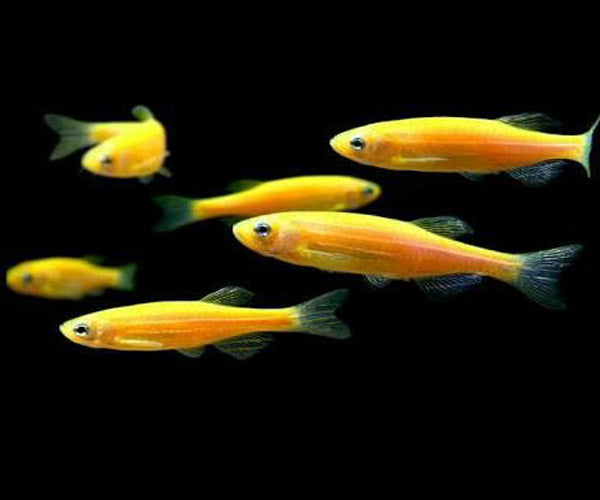
About & Origin
The zebra danio (Danio rerio) is a small, hardy minnow native to fast-flowing streams, rice paddies, and floodplains across the eastern Himalayan region of India, Bangladesh, Nepal, and Myanmar. In the wild it wears the plain silver-and-blue horizontal stripes that give it its name -- an active, torpedo-shaped shoaling fish built for open water.
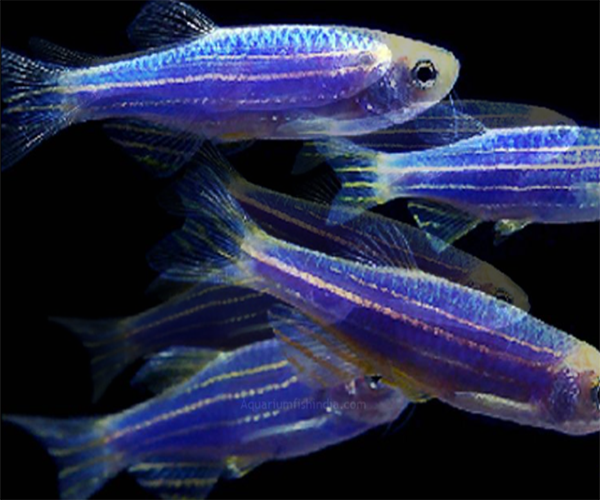
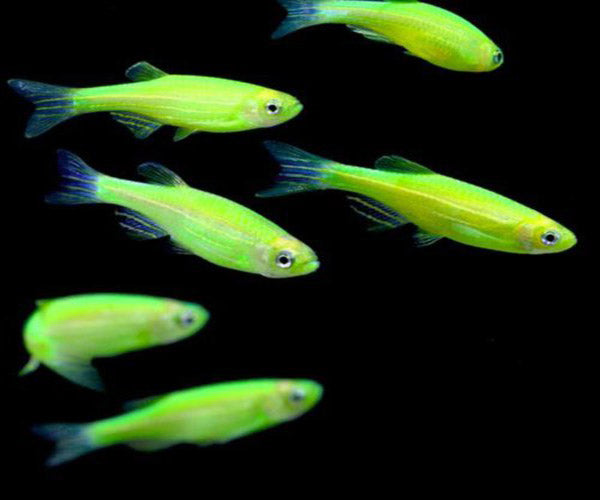
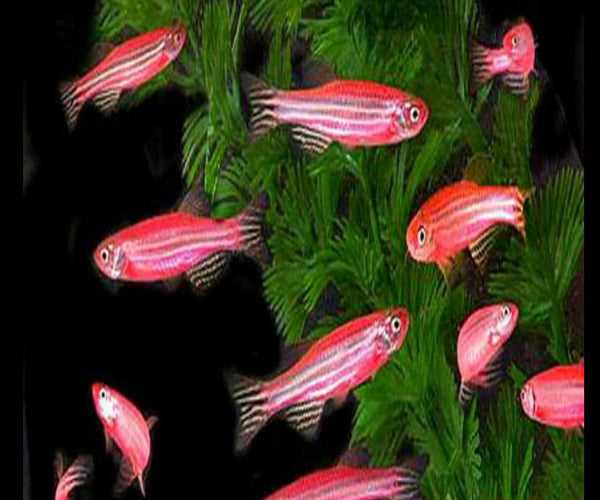
The bright, saturated color on this particular fish is not a natural wild pattern. It is a colour-enhanced strain of zebra danio, produced either through the well-known GloFish genetic-modification programme (which inserts a fluorescent protein gene, first developed from jellyfish/coral genes, giving a permanent, breed-true colour) or, in some markets, through dye injection of ordinary danios -- a much more controversial practice that fades over the fish's life and does not pass to offspring. fishykart.com's stock is a bred colour strain, not a dyed fish.
Underneath the colour, it behaves exactly like a standard zebra danio: fast, constantly on the move, and happiest in a group of its own kind darting around the upper and middle water column.
Zebra danios are also one of the most scientifically important fish in the world -- the species is a standard model organism in genetics and developmental biology research, which is precisely why fluorescent-strain technology like GloFish was developed on this species in the first place, and why so much is known about its biology compared to most other small aquarium fish.
Requirements
Same easy zebra danio care as any colour strain: shoal of 6+ (thin groups get stressed and nippy), a 60cm-plus tank with a genuinely tight-fitting lid -- this species jumps readily when startled -- and an unfussy flake or micro-pellet diet.
Yellow strains are among the easiest zebra danios to breed intentionally on purpose rather than opportunistically: a well-conditioned group triggered by a slight temperature rise and fresh water typically spawns at first light, scattering eggs that hatch within 2-3 days over marbles or a mesh grid (kept out of reach of hungry adults, who eat their own eggs and fry without hesitation). Fry reach baby-brine-shrimp size within about a week, fast even by egg-layer standards.
Regional regulations: as with other GloFish-type genetically modified colour strains, sale, import, or intentional breeding is restricted in some countries and states even where simply keeping the fish as a pet is fine -- worth confirming local rules before breeding this strain deliberately or planning to sell offspring.
Tank shape: a longer, wider footprint suits this genuinely fast-swimming species better than a tall, narrow tank holding the same total volume, since horizontal open water matters more to how they naturally move than vertical height does.
Compatibility
Water & Care Conditions
Same broad tolerance as any zebra danio: pH 6.5-7.5, hardness 5-19 dGH, true comfort zone 18-24°C (tolerates warmer tropical tanks to ~26°C but does less well kept permanently hot). Their genuine wide-range tolerance is why they're commonly used to help cycle new tanks, but "tolerant" isn't the same as "thriving" -- stable, cycled water still gives noticeably better colour and a fuller 3-5 year lifespan than a neglected setup.
Moderate, diffused lighting shows the yellow tone at its brightest; nitrate build-up dulls it toward a pale cream faster than it visibly affects darker strains, so keep up with weekly partial water changes rather than judging water quality by colour alone.
Because the fluorescent colour is genetic rather than applied, it won't wash out or wear off the way a dye job would -- so any visible dulling in this strain specifically is worth treating as a real signal to check water quality rather than dismissed as ordinary colour fade.
New arrivals settle in better with slow, drip-style acclimation over 20-30 minutes rather than a quick float-and-release, reducing the combined stress of transport and a sudden water-chemistry change.
Well-kept zebra danios commonly reach 3-5 years of age, making this an easy fish to underestimate as a long-term commitment given its small size and low price.