Best Fish for a 5 Gallon Tank: Honest Nano Stocking List
Published: 2026-10-29 · FishyKart Blog
The best fish for a 5 gallon (19 liter) tank is a single betta, and the best non-fish choices are cherry shrimp and nerite snails. A 5 gallon tank is too small for most schooling fish, so the honest stocking list is short: one centerpiece fish, a small invertebrate crew, or a shrimp-only tank. Tiny fish like chili rasboras can work only with caveats.
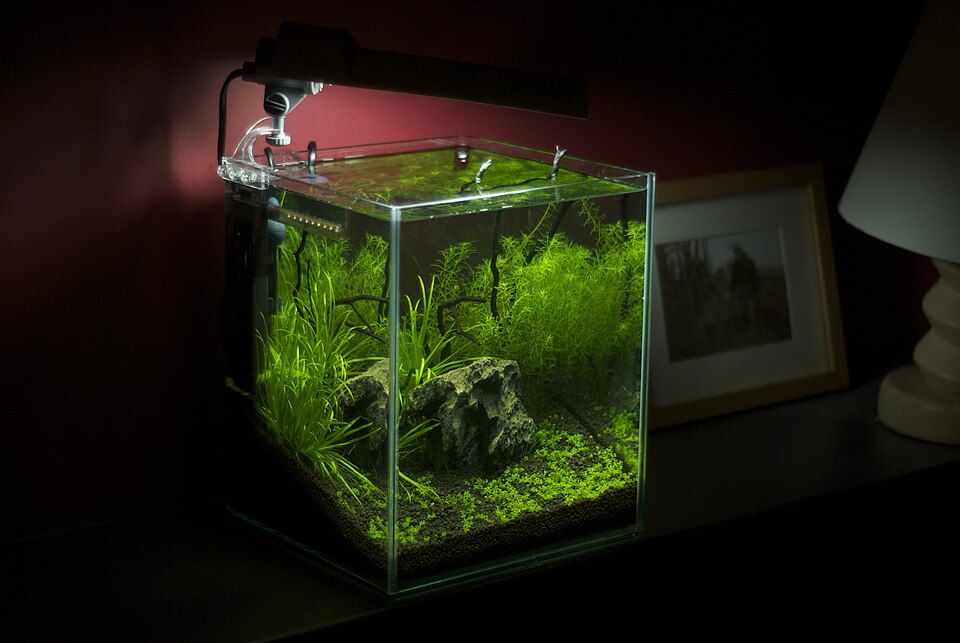
Photo: Chris Penny - Wikimedia Commons, CC BY 2.0
5 Gallon Options at a Glance
| Animal | How to keep in 5 gallons (19 L) |
| Betta | 1 fish only, heated to 78-80 F (25-27 C) |
| Cherry shrimp | A colony in a shrimp-only or betta-free tank |
| Nerite snail | 1-2 snails, alone or with a betta |
| Dwarf pea puffer | 1 fish only, species tank, needs snails as food |
| Chili rasbora | Small group only in a mature, planted tank (caveat) |
| Endler guppy | A few males only (caveat) |
Betta: The Best Single Fish
A male betta grows to about 2.5-3 inches and does not need company, which makes it the classic 5 gallon fish. Five gallons is the minimum we recommend, with a heater, a gentle filter, live or silk plants and a lid. Keep it alone or add one or two nerite snails. Read our betta tank mates guide before adding anything else.
Shrimp and Snails
Invertebrates are the most rewarding way to fill a small tank.
- Cherry shrimp stay about 1 inch and breed readily in a planted, cycled tank. They do best at about 68-77 F (20-25 C) and need stable, clean water.
- Nerite snails clean algae from glass and leaves and cannot breed in freshwater, so they will not overrun the tank.
- Ramshorn snails are useful cleaners but multiply fast when overfed.
A shrimp-only 5 gallon with moss and a sponge filter is one of the easiest nano tanks to keep well.
Tiny Fish: Only With Caveats
- Chili rasboras stay under 1 inch, but they are schooling fish. Seriously Fish suggests a footprint of about 45 x 30 cm (roughly 11 gallons), so 5 gallons is a tight minimum for a very small group in a mature, heavily planted tank.
- Endlers are small livebearers. Keep a few males only, since mixed groups breed quickly and overstock 5 gallons within months.
- Dwarf pea puffer can live alone in 5 gallons but nips fins, so keep it without other fish and feed snails and frozen food.
If you want a real school, a 10 gallon tank is a much safer start.
What Not to Keep in a 5 Gallon
- Goldfish: they grow far too large and dirty the water fast.
- Neon tetras, zebra danios and most tetras: they need a longer tank and a larger school.
- Two bettas, or a betta with guppies or other fin nippers and colorful long fins.
- Mollies, platies and most corydoras: too big or too active for 5 gallons.
- Several species at once: pick one plan and keep it simple.
The Honest Limits of 5 Gallons
Small tanks are not easier than big ones. With only 19 liters of water, a missed water change, an overfeeding mistake or a hot afternoon can swing ammonia and temperature within hours. Cycle the tank before adding animals (how to cycle a fish tank), change about 20-30% of the water weekly, and feed sparingly. If fish start swimming at the top of the tank, test the water at once.