Fish Swimming at Top of Tank: Causes and What to Do Now
Published: 2026-10-29 · FishyKart Blog
Fish swimming at the top of the tank and gulping at the surface usually means the water is short of oxygen or contains ammonia or nitrite, which damage the gills and make breathing harder. Overheated water, a stopped filter and an overstocked tank are the common triggers. Some fish, though, live near the surface by nature, so the first step is telling a normal surface fish from a fish in trouble.
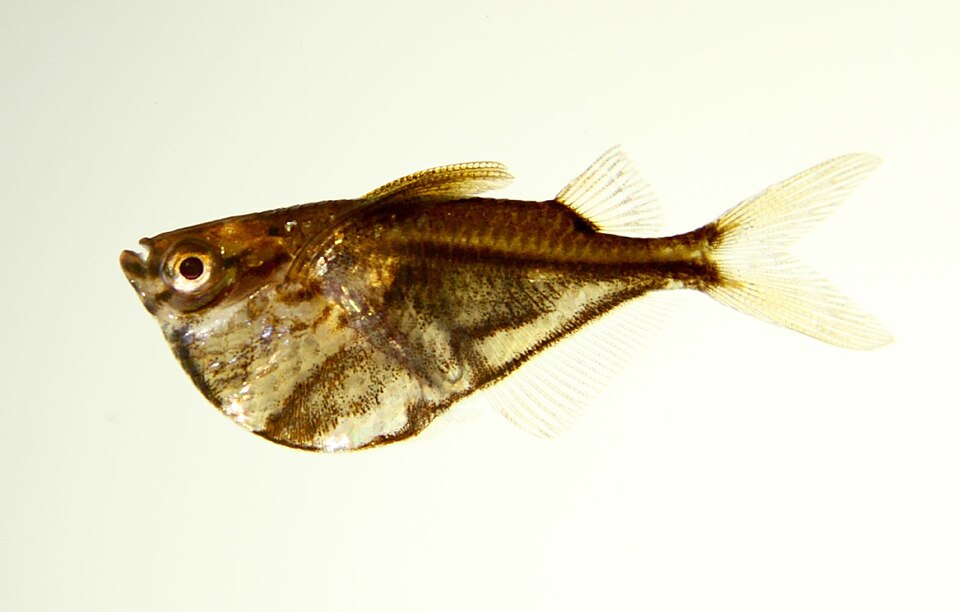
Photo: Clinton and Charles Robertson - Wikimedia Commons, CC BY 2.0
| Sign | Likely cause |
| All fish gasping, fast gill movement | Low oxygen or ammonia / nitrite in the water |
| New tank (under 4-6 weeks), cloudy water | Uncycled tank, ammonia spike |
| Hot day, power cut or heater stuck on | Temperature too high, less oxygen |
| Filter stopped or clogged | Poor surface movement, oxygen drop |
| One fish only, clamped fins or spots | Disease, often gill parasites or ich |
| Betta, gourami or hatchetfish at the surface but active | Normal behavior |
| Fish rushing to the top when you walk past | Begging for food |
Low Oxygen
Most oxygen enters aquarium water at the surface, so a flat, still surface means poor gas exchange. Oxygen drops when the filter stops, when the tank is overstocked, after heavy feeding, when a dead fish or rotting food decays, and at night in heavily planted tanks, because plants also use oxygen in the dark. A simple test: if the fish calm down within an hour of adding an air stone or pointing the filter outlet at the surface, oxygen was the problem.
Ammonia and Nitrite
In a new tank, or after a filter is cleaned too hard, beneficial bacteria cannot keep up with fish waste. Ammonia and nitrite then build up and burn the gills, and fish hang at the surface breathing fast. A liquid test kit should read 0 ppm ammonia and 0 ppm nitrite. Any reading above zero means you need water changes now and a proper cycle, explained in how to cycle a fish tank. New tanks often show cloudy water at the same stage.
Temperature
Warm water holds less oxygen, and fish breathe faster as it warms. Most tropical community fish are comfortable at about 75-80 F (24-27 C). In Indian summers, rooms without air conditioning can push unheated tanks above that range, so check the thermometer before anything else on a hot afternoon. Cool the tank slowly: turn off the heater, open the lid a little, run a fan across the surface and add aeration. Do not drop ice straight in or swing the temperature by several degrees at once.
Fish That Normally Live at the Surface
Not every fish at the top is in danger.
- Bettas and gouramis are labyrinth fish: they gulp air from the surface as part of normal breathing. A healthy betta also builds bubble nests at the top. The same goes for honey gouramis and dwarf gouramis.
- Hatchetfish spend almost all their time just under the surface and need a tight lid because they jump.
- Guppies and other livebearers have upturned mouths and often feed at the top. See our guppy care guide.
The warning signs are fast gill movement, gasping with the mouth breaking the surface, fish that were normally mid-water suddenly crowding the top, and clamped fins.
What to Do Right Now
- Test the water for ammonia, nitrite and temperature.
- Change 30-50% of the water with dechlorinated water at the same temperature.
- Add surface movement: an air stone, or raise the filter outlet so the surface ripples.
- Check the filter is running, and clean a clogged sponge gently in old tank water, never under the tap.
- Remove any dead fish and uneaten food.
- Skip feeding for a day. Healthy fish easily handle this; see how long fish can go without food.
If one fish gasps while the others are fine, look for white spots or rubbing against decor, which can point to ich or gill parasites.
Mistakes That Make It Worse
- Cleaning the filter and doing a big water change on the same day, which removes beneficial bacteria.
- Adding many fish at once to a new tank.
- Overfeeding "to cheer them up", which adds more waste.
- Using untreated tap water, since chlorine and chloramine also damage gills.