Bloodworms for Fish: Frozen vs Freeze-Dried and How Often
Published: 2026-10-27 · FishyKart Blog
Bloodworms are not worms: they are the aquatic larvae of non-biting midges (family Chironomidae), coloured deep red by haemoglobin that lets them live in low-oxygen mud. Fish love them, and they are one of the most-used treat foods in the hobby, sold frozen, freeze-dried and live.
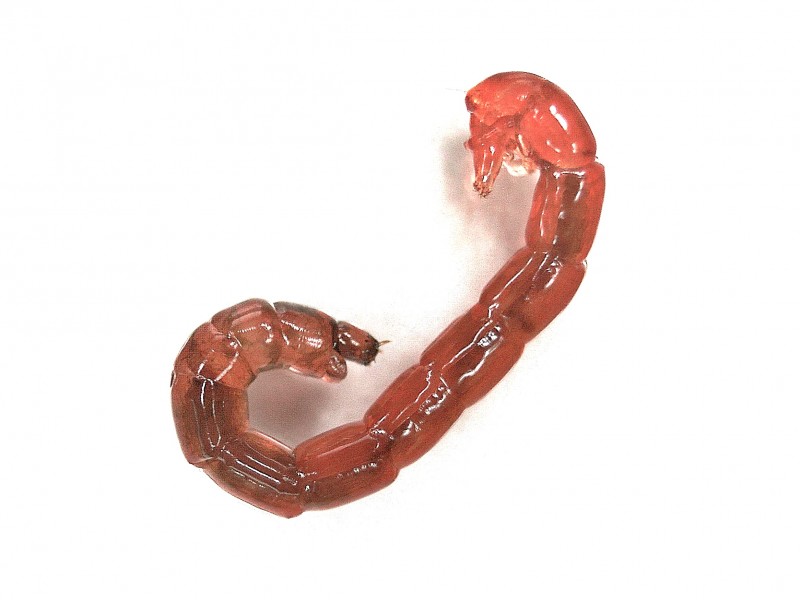
Photo: B. Schoenmakers - Wikimedia Commons, CC BY 3.0
| Parameter | Value |
| What they are | Larvae of Chironomidae midges |
| Size | About 0.4-0.8 in (1-2 cm) |
| Forms sold | Frozen, freeze-dried, live |
| How often | 1-2 times a week as a treat |
| Good for | Bettas, cichlids, gouramis, conditioning breeders |
| Caution | Can cause skin or breathing allergies in some people |
Frozen, Freeze-Dried or Live?
| Form | Pros | Cons |
| Frozen | Closest to live, safe, easy to portion | Needs a freezer; thaw first |
| Freeze-dried | Long shelf life, no freezer | Expands in the gut; soak before feeding |
| Live | Strongest feeding response | Short shelf life, risk of bringing in parasites |
How to Feed Bloodworms Safely
- Thaw frozen cubes in a cup of tank water and pour in the worms, not the melt water
- Soak freeze-dried bloodworms for a few minutes so they do not swell inside the fish
- Feed what fish eat in about two minutes and remove leftovers
- Use them once or twice a week; daily bloodworms can lead to bloating and constipation, especially in bettas
Why Bloodworms Are a Treat, Not a Staple
Bloodworms are rich in protein but not a complete diet. A quality pellet or flake should be the base food; bloodworms add variety, encourage shy or newly bought fish to eat and help condition fish for breeding. For a betta feeding routine see how often to feed betta fish.
A Note for Fishkeepers
Some people develop allergies to bloodworms, with skin rash or breathing symptoms after handling frozen cubes. Use tweezers or gloves if you notice irritation.
Fish foods are listed in our fish food collection