Duckweed in Aquariums - Growth, Benefits & Control
Published: 2026-10-26 · FishyKart Blog
Duckweed (Lemna minor) grows fast enough to change how an aquarium looks within days, not weeks - under good conditions, the surface area it covers can double in under 2 days, among the fastest growth rates of any plant kept in the hobby. That speed cuts both ways: the same rapid nutrient uptake that makes duckweed genuinely useful for water quality is exactly what makes it a management problem the moment it's left unchecked.
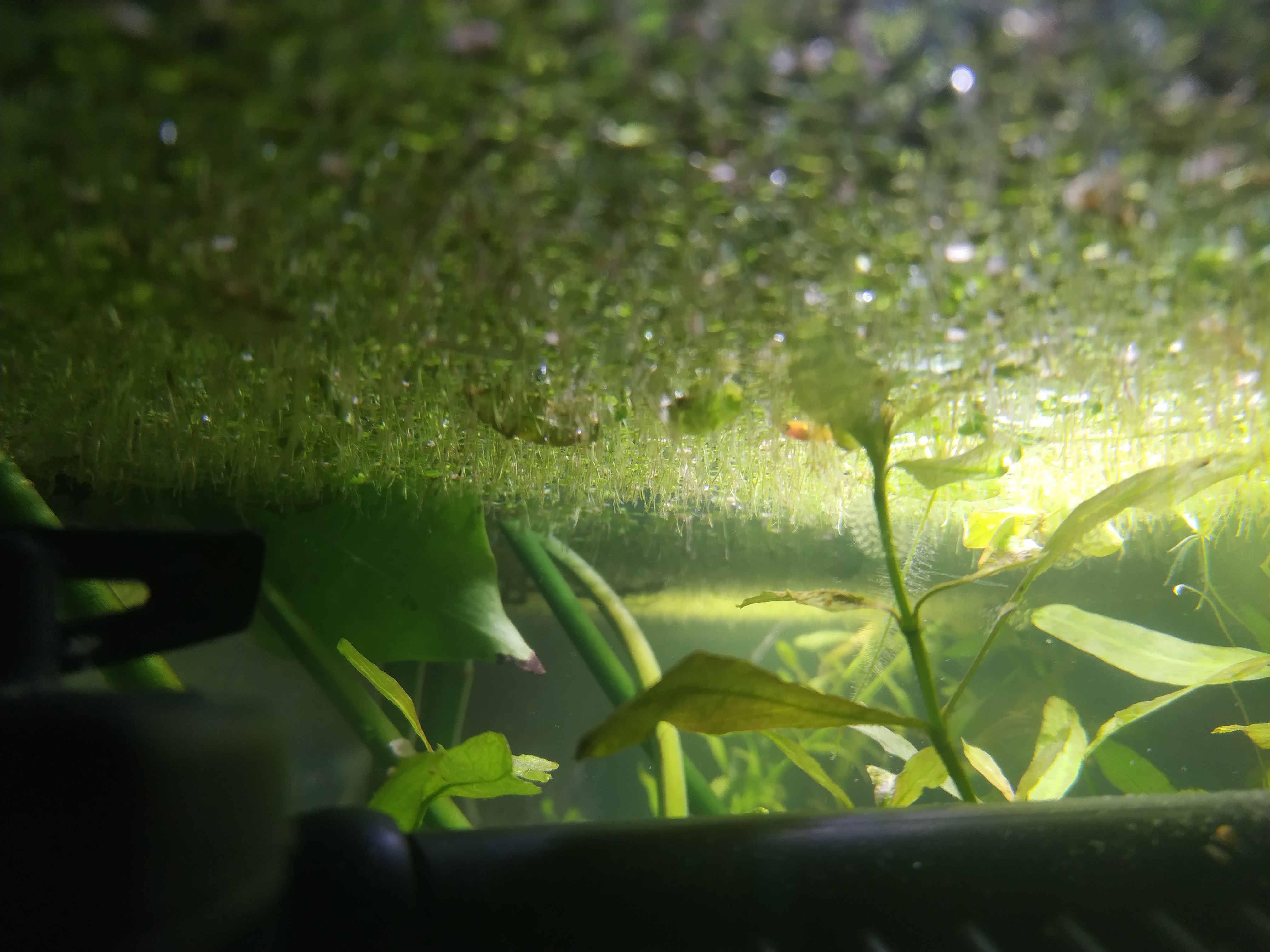
Photo: Graf zu Pappenheim - Wikimedia Commons, CC BY-SA 4.0
| Parameter | Value |
| Growth rate | Coverage can double in <2 days |
| Nutrient uptake | Very high - nitrates, phosphates |
| Control method | Manual removal via fine mesh |
| Water changes | 20-30% weekly reduces regrowth |
| Risk if unmanaged | Blocks light to entire tank |
A Growth Rate That Outpaces Almost Everything Else in the Tank
Doubling surface coverage in under 2 days means duckweed can go from a scattered handful of fronds to a solid surface mat over a single week of neglect. No manual intervention schedule set for weekly maintenance keeps up automatically - duckweed needs checking more often than most tank plants simply because of how fast the math compounds.
The Same Trait That Helps Also Hurts
Duckweed's aggressive nutrient uptake pulls nitrates and phosphates out of the water column efficiently enough that it's been used deliberately for wastewater nutrient reduction outside the hobby. In a tank, that translates to real water-quality benefit and, as a side effect, direct competition against nuisance algae for the same nutrients. The problem is purely one of scale - the growth that helps water quality in moderation becomes a surface-blocking mat in excess.
Control Is About Frequency, Not a One-Time Fix
A fine mesh skimmer, used to manually remove excess duckweed every time coverage creeps past the desired amount, is the standard control method - there's no set-and-forget solution given the growth rate involved. Weekly 20-30% water changes support the same goal indirectly, limiting the excess nutrients that fuel the fastest growth spurts.
Herbivorous Fish Help, But Don't Replace Manual Removal
Some herbivorous fish graze on duckweed and slow its spread as a secondary benefit of an otherwise unrelated stocking choice. Even with grazers present, though, duckweed's growth rate is fast enough that manual skimming typically still needs to happen on its own schedule rather than relying on fish to keep pace.
Buy Duckweed Online
FishyKart stocks Duckweed for nutrient control and fry cover in floating-plant setups.
Shop Duckweed