Java Moss - Complete Care Guide
Published: 2026-10-26 · FishyKart Blog
Java Moss (Taxiphyllum barbieri) skips two things most aquarium plants need: substrate and CO2 injection. It attaches directly to driftwood, rocks, or other hard surfaces using rhizoids - the same clinging mechanism ivy uses on a wall - and grows perfectly well in a low-tech tank with no added CO2 at all, which is exactly why it's one of the most recommended plants for a first planted tank.
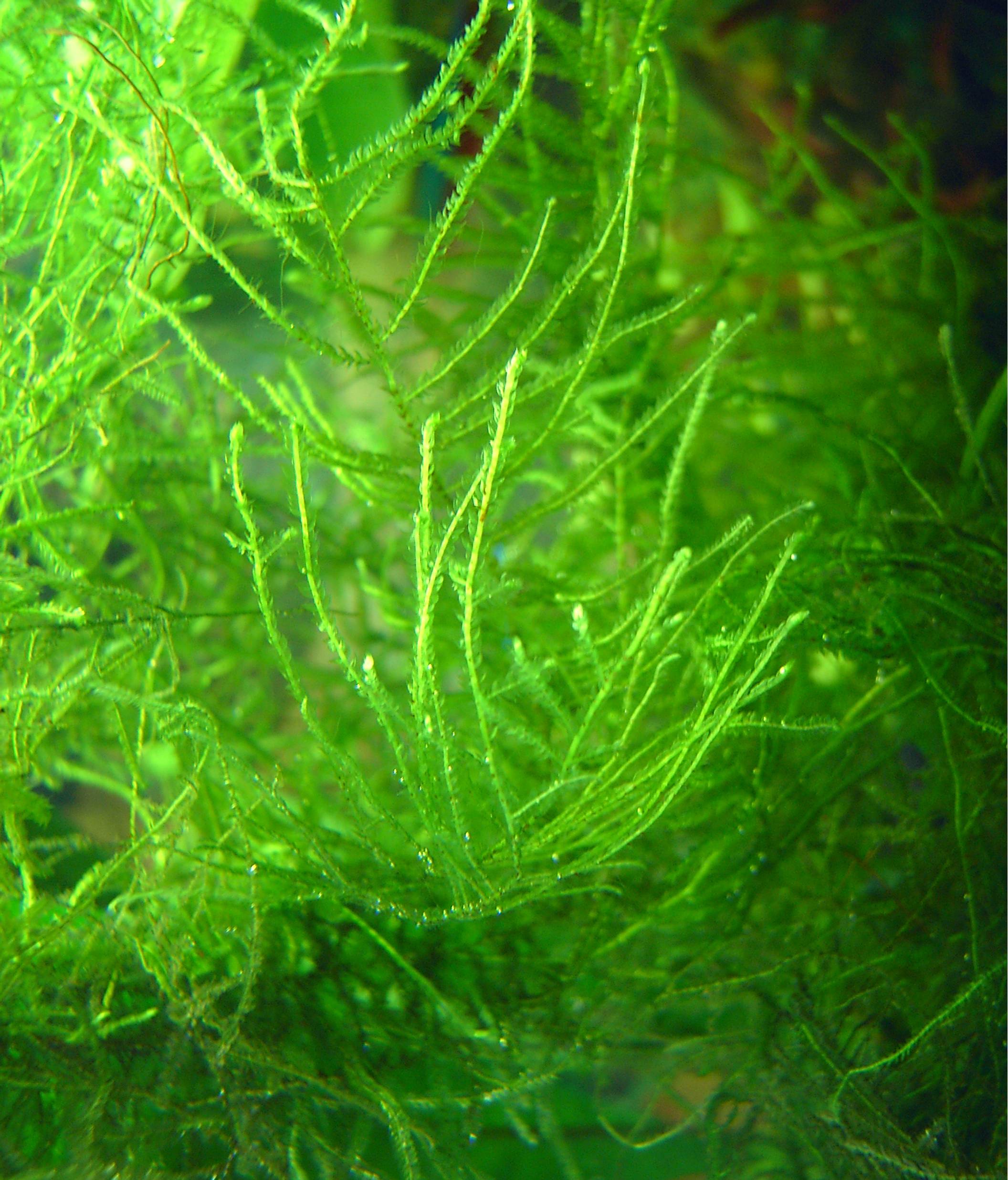
Photo: Buchling - Wikimedia Commons, CC BY-SA 3.0
| Parameter | Value |
| Substrate needed | No - attaches to hard surfaces |
| CO2 needed | No |
| Growth (low light, no CO2) | 1-2 in/month |
| Growth (medium light + CO2) | 2-4 in/month |
| Best light for density | Medium (~20-40 PAR) |
Attaching Without Planting
Java Moss doesn't root into substrate the way most aquarium plants do - it grips onto driftwood, rocks, and other porous, hard surfaces using rhizoids, the same principle that lets ivy climb a wall without soil at the contact point. To position it deliberately, tie it down with fishing line, thread, or aquarium-safe glue; within a few weeks it grips the surface on its own and the tie-down material can often be removed.
Light Level Is the Main Growth Control
Under low light and no CO2, Java Moss grows slowly - 1-2 inches per month - staying compact and deep green, which suits keepers wanting a low-maintenance look. Push to medium light with CO2 and growth roughly doubles to 2-4 inches per month, though the moss can turn leggier and lighter in color at higher light levels rather than more attractive.
A Working Plant, Not Just Decoration
Java Moss does real functional work in a tank: it gives fry places to hide from adult fish, offers a natural egg-scattering surface for spawning species, and hosts biofilm that shrimp graze on continuously. It also absorbs nitrates, ammonia, and heavy metals from the water column, giving it a small but real water-quality role beyond aesthetics - which is why it shows up so often specifically in breeding and shrimp tanks rather than just display setups.
Shaped However the Tank Needs
Because it attaches to any hard surface rather than requiring substrate placement, Java Moss adapts to carpets, walls, moss balls, or tree-shaped driftwood structures - the same plant works as a flat foreground carpet or a vertical background wall depending entirely on what it's tied to.
Buy Java Moss Online
FishyKart stocks Java Moss for breeding tanks, shrimp setups, and low-tech aquascapes.
Shop Java Moss