Otocinclus Temperature and Water Parameters
Published: 2026-11-02 · FishyKart Blog
Otocinclus catfish (genus Otocinclus, often called otos) are small algae-grazing catfish from the rivers and streams of South America. They do best at 72-79°F (22-26°C), pH 6.5-7.5, soft to moderately hard water, 0 ppm ammonia and nitrite and nitrate kept under about 20 ppm. Otos grow to only about 1.5-2 inches (4-5 cm) and live 3-5 years, but they are far less forgiving of unstable water than their size suggests. Most otos that die in the first weeks are lost to water quality and temperature swings, not to disease.
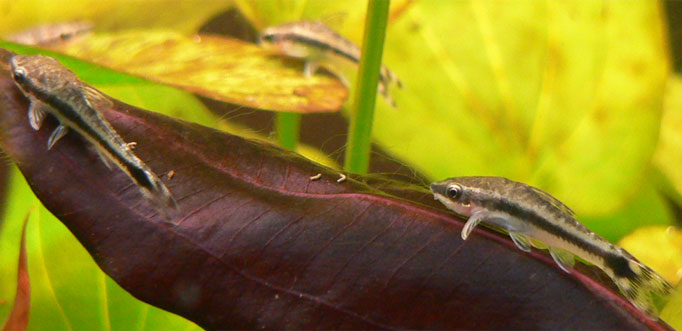
Photo: Chle - Wikimedia Commons, CC BY-SA 3.0
Otocinclus Water Parameters at a Glance
| Parameter | Ideal range | Notes |
|---|---|---|
| Temperature | 72-79°F (22-26°C) | Steady matters more than the exact number |
| pH | 6.5-7.5 | Avoid swings of more than about 0.3 in a day |
| General hardness (GH) | Soft to moderately hard | Most US tap water is fine once dechlorinated |
| Ammonia | 0 ppm | Any reading is dangerous for otos |
| Nitrite | 0 ppm | Shows the tank is still cycling |
| Nitrate | Under 20 ppm | Do 25-30% weekly water changes |
| Oxygen | High | Gentle surface movement; extra aeration above 80°F (27°C) |
Otocinclus Temperature
Keep otos at 72-79°F (22-26°C). Inside that band they graze actively, keep their colour and accept supplementary food. At the warm end oxygen in the water falls, and otos are small fish with a high oxygen demand, so above about 80°F (27°C) add an air stone or point a filter outlet at the surface. Below about 70°F (21°C) they slow down and eat less.
Do otocinclus need a heater?
In most US homes, yes. Room temperature often drops below 72°F (22°C) at night or in winter, and a small tank cools quickly. Use an adjustable heater sized for the tank - a common rule of thumb is about 3-5 watts per gallon - and check it with a separate thermometer rather than trusting the dial.
Matching tank mates by temperature
| Fish | Comfortable range | Fits with otos? |
|---|---|---|
| Neon tetra | 72-79°F (22-26°C) | Yes |
| Corydoras (most species) | 72-79°F (22-26°C) | Yes |
| Cherry shrimp | About 70-80°F (21-27°C) | Yes |
| Betta | 78-80°F (25.5-27°C) | Upper edge only; watch oxygen |
| Goldfish | Coldwater, about 65-72°F (18-22°C) | No |
| Discus | 82-86°F (28-30°C) | No - too warm |
Otos fit best in a planted community tank with small peaceful fish. More options: Otocinclus care guide and best fish for a 20 gallon tank.
pH and Hardness
Otocinclus come from soft, slightly acidic to neutral water, but captive-bred and long-imported fish adapt to pH 6.5-7.5 and moderate hardness without trouble. Chasing a "perfect" number with chemicals is riskier than leaving stable tap water alone. What hurts otos is change: a sudden jump in pH or hardness after a big water change with untreated water, or a slow crash in pH in an old tank that has not had a water change in weeks.
If your tap water is very hard, mixing in some RO (reverse osmosis) water is safer than pH-down chemicals. Always match the new water's temperature to the tank within about 2°F (1°C).
Ammonia, Nitrite and Nitrate: Why New Tanks Kill Otos
Otos are the classic "added too early" fish. A tank that has just finished cycling has zero ammonia, but it also has little algae and biofilm - the food otos live on. Many otos also arrive weak after shipping, often already underfed. Put the two together and the fish starve or crash at the first small ammonia spike.
- Add otos to a tank that has been running for at least a few months, with visible soft algae or biofilm on glass and leaves.
- Test for ammonia and nitrite before buying: both must read 0 ppm.
- Keep nitrate under about 20 ppm with weekly 25-30% water changes.
- Do not clean every surface at once - leave some biofilm for grazing.
- Supplement with algae wafers or blanched zucchini once natural algae runs low; see what to feed otocinclus.
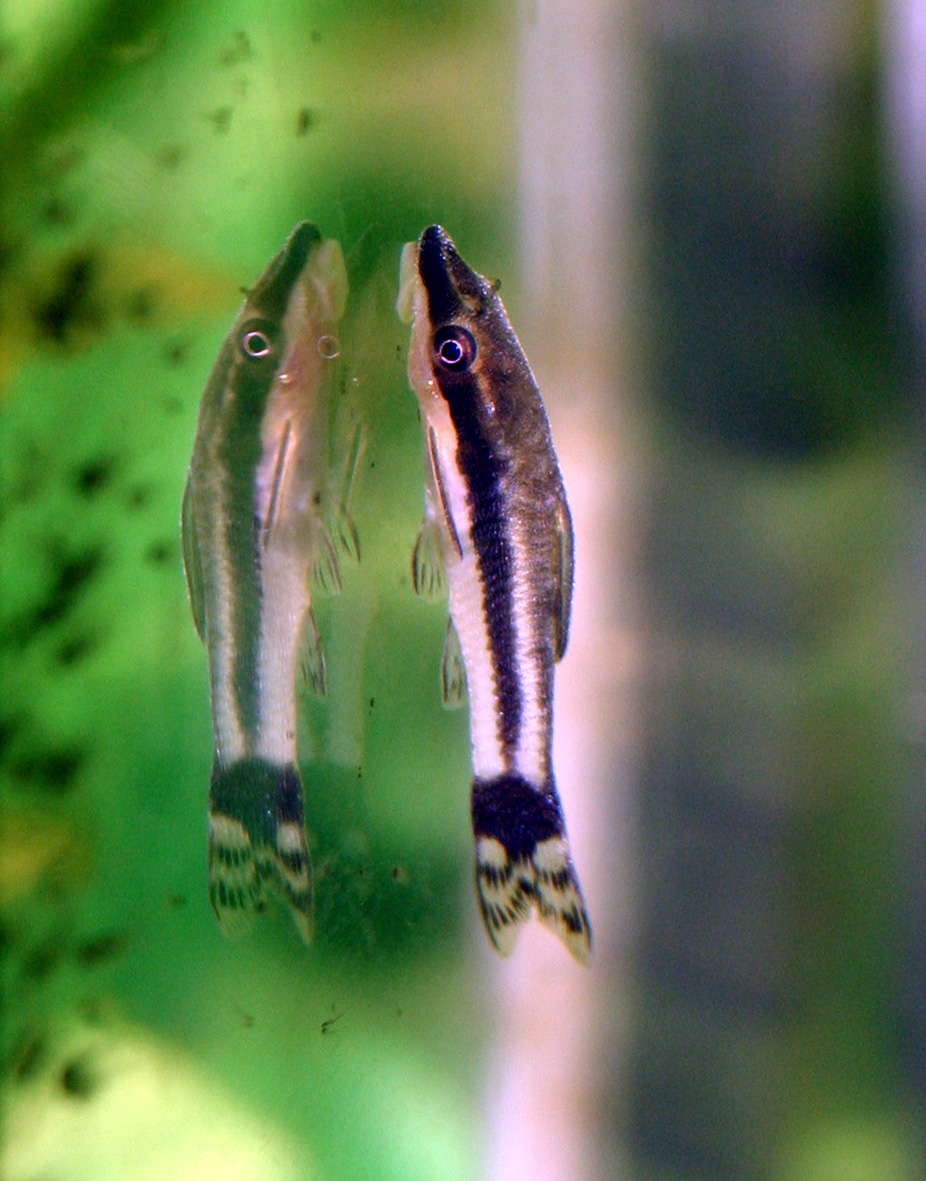
Photo: Marrabbio2 - Wikimedia Commons, CC BY-SA 3.0
Acclimating Otocinclus Safely
Because otos react badly to sudden changes, acclimate them slowly:
- Float the bag for 15-20 minutes to match temperature.
- Drip or add tank water into the bag a little at a time over 30-60 minutes, so pH and hardness change gradually.
- Net the fish into the tank and discard the bag water.
- Keep lights dim for the rest of the day and offer an algae wafer that evening.
Buy otos in a group - they are shoaling fish and settle faster with company. How many fit your tank: Otocinclus tank size and group size.
Warning Signs of Bad Water
- Rapid gill movement or otos hanging near the surface: low oxygen or ammonia.
- Sunken belly despite algae in the tank: starvation, often after shipping.
- Otos lying on the substrate instead of clinging to glass or leaves.
- Pale colour or clamped fins after a water change: temperature or pH shock.
Test the water first whenever you see these signs; most oto losses can be traced to a reading that was off.
Otocinclus at FishyKart
FishyKart lists Otocinclus catfish. Before adding them, make sure your tank is mature and stable, as described above.
View Otocinclus → Otocinclus Care Guide →