Otocinclus Catfish — Why They Die in New Tanks (and How to Keep Them Alive)
Published: 2026-09-10 · FishyKart Blog
Most fish sold as "Otocinclus" or "Otos" are actually a handful of near-identical, interchangeably-traded species — Otocinclus vittatus, O. affinis, O. macrospilus and O. arnoldi — all small suckermouth catfish from South American river systems that stay a genuinely tiny 3-5 cm for their whole 3-5 year life. They are one of the few true dedicated algae grazers in the hobby: unlike a Bristlenose Pleco, an Otocinclus does not grow into an omnivore that outgrows the job. That same dependence on algae is also the reason this fish has an unusually bad survival reputation in the first few weeks after purchase — not because it's fragile, but because of what most buyers get wrong about when to add it.
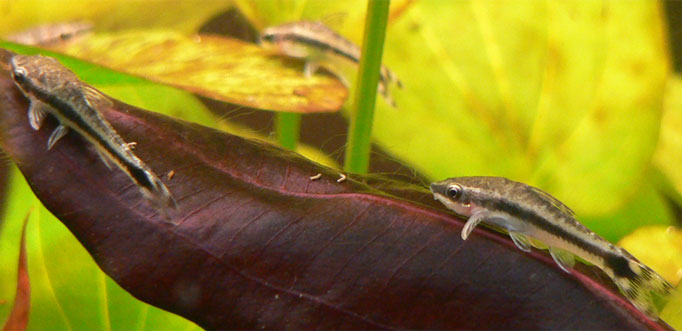
Photo: Chle — Wikimedia Commons, CC BY-SA 3.0
| Parameter | Value |
|---|---|
| Adult size | 3-5 cm (1.2-2 in) |
| Lifespan | 3-5 years |
| Minimum group size | 5-6 fish |
| Minimum tank size | 10 gallons (38 litres), established |
| Temperature | 22-26°C (72-79°F) |
| pH | 6.5-7.5 |
| Diet | Algae, biofilm, blanched vegetables |
| Medication sensitivity | Avoid copper-based treatments |
Why a New Tank Is the #1 Killer of Otocinclus
An Otocinclus's entire feeding strategy is grazing soft algae and biofilm off glass, leaves, and driftwood — a layer that simply does not exist in a tank that's been running for a week or two. Add a group of Otos to a freshly cycled aquarium and there is nothing for them to eat; they will slowly starve even while the water parameters read perfectly. This is the single most common reason keepers report Otocinclus "just dying" for no visible reason. Wait for the tank to visibly grow a light algae film on the glass or hardscape — usually 4-6 weeks after setup — before adding any.
The Shipping Problem: Why Otocinclus Have a Bad Reputation
The second cause sits upstream of the tank entirely. The large majority of Otocinclus in the trade are still wild-caught rather than captive-bred, because breeding them commercially at scale remains difficult. Wild-caught fish are typically already lean by the time they reach a shop, having spent days in transit with limited access to grazing surfaces. Combine an already-thin fish with a buyer who then places it in an algae-free new tank, and the two problems compound into the die-offs the species is known for. Buying from a supplier that holds and feeds new stock before sale, rather than shipping straight through, makes a measurable difference here.
.jpg)
Photo: CHUCAO — Wikimedia Commons, CC BY-SA 3.0
Feeding Once the Algae Runs Out
A well-stocked group of Otocinclus will eventually eat a tank's algae faster than it regrows, especially in a low-light or heavily-stocked setup. Once that happens, supplement immediately rather than waiting for visible hunger:
- Blanched zucchini or cucumber, weighted down and left overnight, removed the next morning
- Algae wafers dropped near the bottom, close to where the group tends to graze
- Spirulina-based flakes or pellets, crushed small enough for their tiny mouths
A tank with live plants generally needs less supplementation, since the biofilm on plant leaves regrows continuously — one of the reasons Otocinclus are consistently recommended over most other "algae eater" fish for planted setups: they graze the film without touching the leaf tissue itself, so plants like java moss are never at risk from them the way they would be from a larger, less selective grazer.
Tank Mates
Otocinclus are entirely peaceful and spend most of their time grazing surfaces rather than interacting with other fish, which makes compatibility mostly about avoiding anything that will bully or outcompete them for food. Good tank mates include small peaceful tetras and rasboras, and bottom-dwelling cleanup crew like Red Cherry Shrimp, which graze the same biofilm without competing directly for it. Avoid pairing them with anything large enough to see a 3-5 cm fish as food, and avoid copper-based medications in a shared tank — Otocinclus tolerate copper far worse than most scaled fish.
Buy Otocinclus Online
FishyKart holds and feeds incoming Otocinclus before they're listed for sale, rather than shipping straight from import — the settling-in period described above is exactly what that time is for. Fish are packed in oxygen-filled bags for transit with a live arrival guarantee.
Buy Otocinclus → Otocinclus Combo Pack →