What to Feed Otocinclus: A Ranked Food List and Feeding Schedule
Published: 2026-09-13 · FishyKart Blog
Feeding Otocinclus goes wrong in one of two directions almost every time: either nothing is offered once the tank's algae runs low, or the wrong kind of food is offered and mostly ignored. Neither failure looks dramatic day to day — there's no dead fish to notice — which is exactly why slow underfeeding is the leading cause of this fish's reputation for fading out a few weeks after purchase.
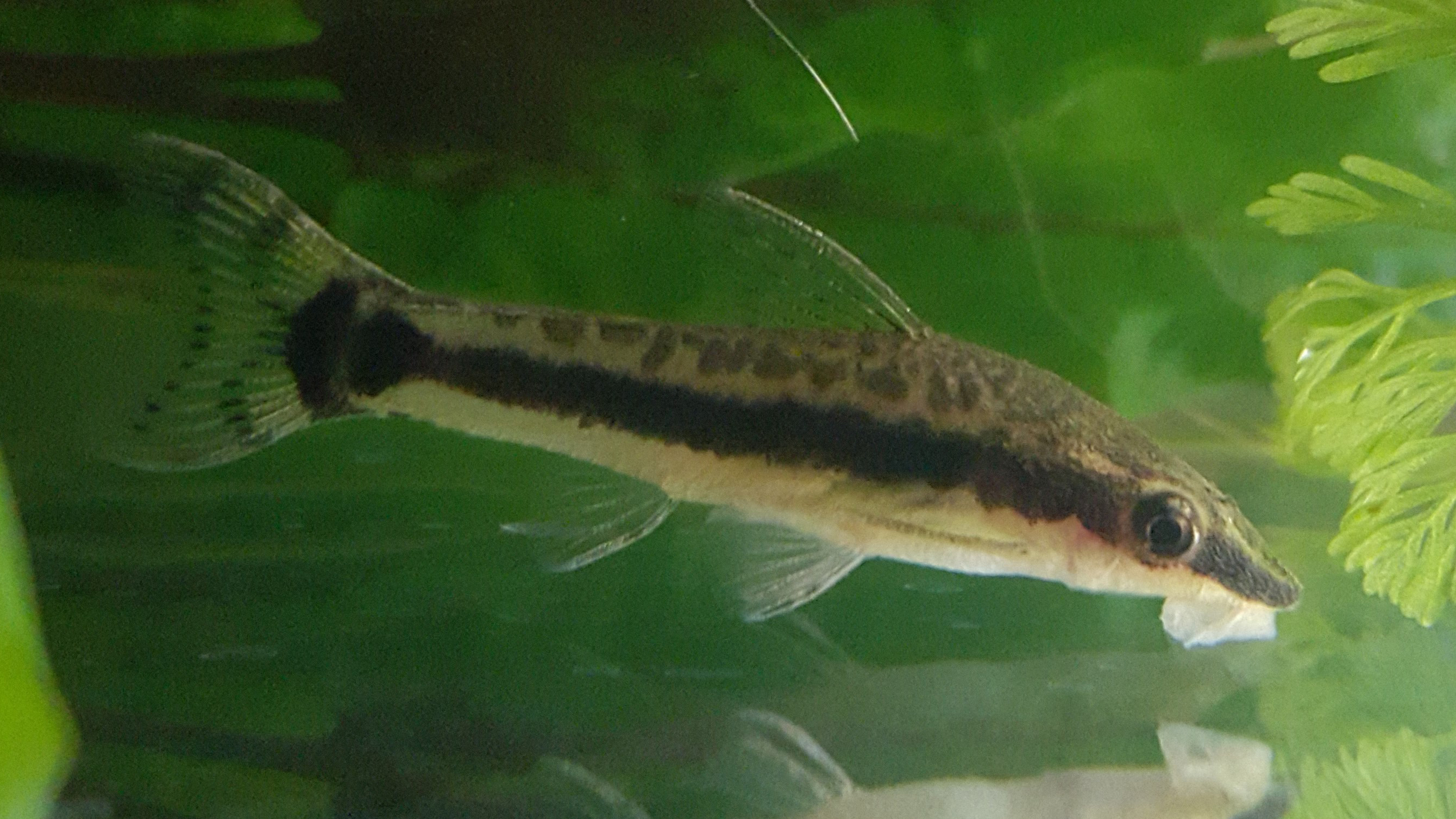
Photo: Fremen — Wikimedia Commons, CC BY-SA 4.0
Otocinclus Food, Ranked
- Live algae and biofilm — the natural, preferred food; nothing else needs adding while this is genuinely plentiful
- Blanched zucchini or cucumber — the closest substitute once algae runs low, accepted reliably by nearly every Otocinclus
- Algae wafers — convenient and long-lasting in the tank, but less actively sought out than fresh vegetable
- Spirulina flakes or pellets, crushed — useful as a supplement, rarely enough as a sole food source
- Standard fish flake/pellet food — mostly ignored; not built for this fish's grazing feeding style
How to Prepare Blanched Vegetables
- Slice zucchini or cucumber into pieces roughly 1 cm thick
- Blanch: 60-90 seconds in boiling water, or 30-40 seconds in a microwave with a little water, until just softened
- Cool to room temperature before adding to the tank
- Weight it down (a fork or a vegetable clip works) so it sits on the bottom rather than floating
- Remove whatever's left within 24 hours to stop it fouling the water as it decomposes
Feeding Schedule
There's no fixed daily schedule that applies everywhere — it depends entirely on how much natural algae the tank is still producing. A newly-matured, lightly-stocked planted tank may need no supplemental feeding for weeks. Once the glass and hardscape visibly clear of algae between water changes, that's the signal to start offering a vegetable slice or wafer every 1-2 days, watched closely for the first week to see how quickly the group finishes it.
Feeding Mistakes That Cause Problems
- Assuming they'll "find algae" indefinitely — a heavily-stocked or well-cleaned tank runs out faster than expected
- Leaving vegetable matter in too long — anything past 24 hours starts decomposing and affecting water quality rather than helping
- Relying on flake food — it's mostly ignored, so a tank that "should have food available" via flakes can still be starving its Otocinclus
- Feeding right after adding new fish to a new tank — one feeding doesn't fix a tank that isn't established yet; see the care guide for why tank maturity matters more than feeding in that specific situation
Buy Otocinclus Online
FishyKart's Otocinclus arrive already used to eating prepared foods, not just wild algae, which makes the transition into a home tank considerably easier.