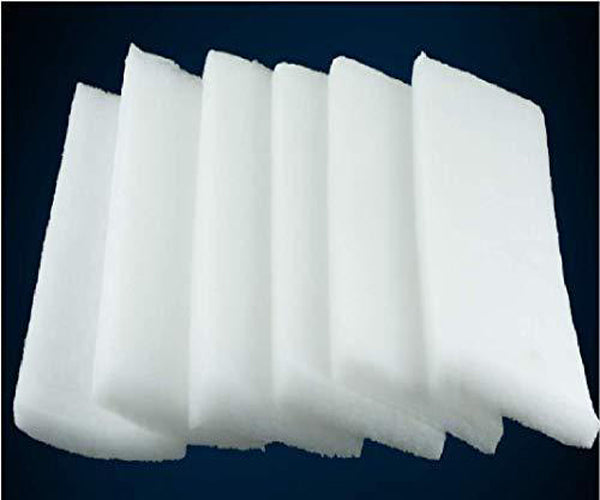
About & Function
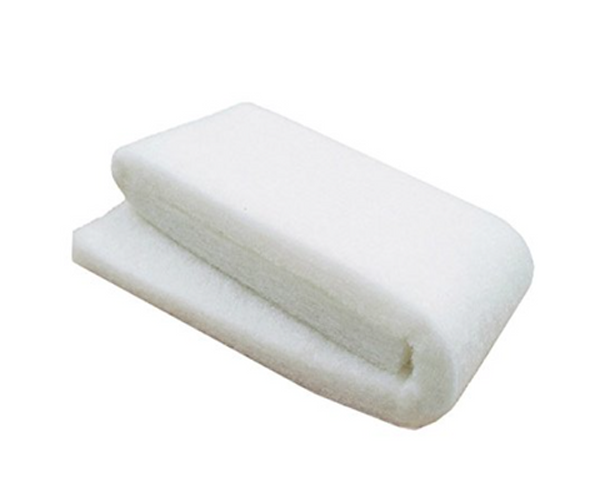
This 6-in-1 sponge filter pad is a cut-to-fit mechanical filter media block, designed to sit inside an internal or hang-on-back filter cartridge housing (or be trimmed to fit a canister/sponge pre-filter) in place of, or alongside, disposable cartridges. As tank water is drawn through the pad, its open-cell foam structure physically traps suspended particles, uneaten food, and floating debris, clearing the water and preventing that fine sediment from settling on plants, substrate, and decor.
Beyond mechanical trapping, the porous foam body also becomes a long-term home for beneficial nitrifying bacteria once it's been running in a cycled tank for a few weeks — the same colonies responsible for converting toxic ammonia and nitrite into far less harmful nitrate. A sponge pad is therefore doing two jobs at once: pulling visible mess out of the water column, and quietly anchoring a chunk of your tank's biological filtration.
Because it's reusable rather than disposable, a single pad can be rinsed and put back to work many times over, instead of being thrown away and replaced like a pre-packaged cartridge — provided it's cleaned the right way (see Specifications & Maintenance below).
Foam density matters more than most buyers expect. A coarse, open-pore foam trades some mechanical polishing power for higher flow and more surface area exposed to passing water, which favours biological colonisation — this tends to suit tanks with a heavier bioload or messier eaters. A finer, denser foam polishes the water clearer but clogs faster and needs more frequent rinsing. Many keepers run two pads in sequence — coarse first to catch the bulk of the debris, fine second to polish — inside filters with room for a layered media stack.
Where it sits in the filter's overall media stack also matters: mechanical media like this pad should generally be the first thing water passes through, ahead of any chemical media (like activated carbon) or a dedicated biological media stage, so it isn't constantly re-clogged by debris that a coarser stage upstream could have caught first.
Requirements
This is a passive filter media component — it has no motor or power draw of its own. It needs to be housed inside a filter that provides water flow, typically an internal power filter, a hang-on-back filter, or a sponge/air-driven pre-filter housing.
"6 in 1" refers to the pad offering several usable cut sizes/shapes from one sheet, so it can be trimmed with scissors to match a range of common filter cartridge housings rather than being a single fixed-size fit. Check the internal dimensions of your filter's media compartment before cutting, and trim slightly oversized so the foam compresses snugly into place — a loose-fitting pad lets water bypass around it instead of through it, which defeats the point.
Suitable for small to medium freshwater aquariums running a standard internal or hang-on filter; it is not a standalone filter and will not function without one.
Cut it with clean scissors or a sharp utility knife rather than tearing it, so the edges stay flush against the housing walls with no gaps. It's worth cutting slightly generous rather than slightly small — foam compresses under light pressure but can't stretch to fill a gap, and any unsealed edge becomes the path of least resistance for water to bypass the media entirely.
Once seeded with bacteria, avoid letting the pad dry out for more than a few minutes at a time (for example during a filter clean) — the nitrifying bacteria living in it are aerobic but water-dependent, and a fully dried-out pad loses much of its biological value and effectively has to restart colonisation from scratch.
If using it inside a hang-on-back or internal cartridge housing that was designed for a specific branded cartridge, double-check the housing's clip or frame — some require the foam to be wrapped around a plastic support frame rather than sitting loose, and running it unsupported can let the pad bunch up or slip out of position over time, again opening a bypass gap.
Compatibility
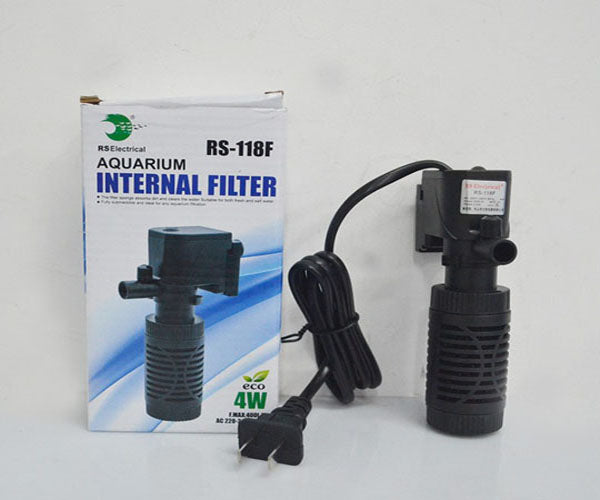
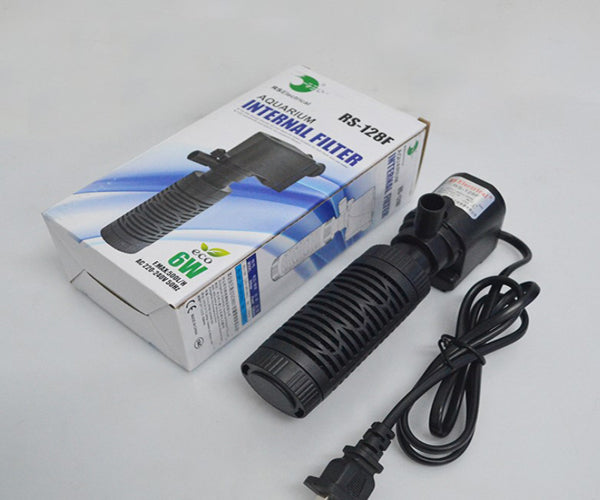
Specifications & Maintenance
Real-world specifications and upkeep for this pad:
- Type: reusable open-cell foam mechanical filter media, cuttable to size
- Power: none — passive media, requires an existing powered filter to push water through it
- Cleaning frequency: rinse every 1-2 weeks, or sooner if flow visibly slows, indicating it's clogged with trapped debris
- How to clean: rinse gently in a bucket of removed tank water (never tap water, and never with soap) and squeeze out — tap water's chlorine/chloramine will kill the beneficial bacteria living in the foam
- Replacement: the foam itself can be reused for months; replace only once it starts breaking apart, loses its shape, or won't rinse clean anymore
Never replace all of a tank's filter media at once — swap or clean it in stages so the bacterial colony isn't wiped out all at the same time, which can trigger a mini ammonia spike.
- Signs it needs cleaning: visibly reduced flow/output from the filter, or a build-up of grey/brown sludge visible through the housing
- Signs it needs replacing: the foam crumbles, tears, or compresses permanently and no longer springs back after squeezing, or it develops a persistent bad smell even after a clean
- Breaking in a new pad: a fresh pad has no biological colony yet — running it alongside an already-established, older pad for a few weeks (rather than a straight swap) lets it inherit bacteria naturally instead of starting the cycle cold
- Storage: if kept as a spare, store it dry in a clean bag away from direct sunlight, which degrades foam over time
- Rinse temperature: use roughly tank-temperature water for the rinse where practical — a sharp hot/cold shock isn't usually fatal to the bacterial colony on its own, but it adds one more stress on top of the mechanical squeezing
- Cut-offs: keep any leftover trimmed-off foam scraps as ready spares for a quick emergency swap rather than discarding them