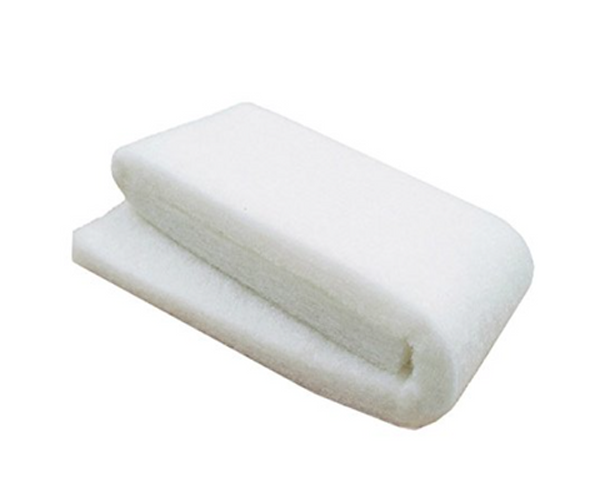
About & Function
A reusable open-cell foam filter pad, sized as a single standard-fit sheet rather than the multi-cut "6 in 1" variant also sold on this site. As tank water is pulled through an internal or hang-on-back filter, this pad's complex foam structure physically traps suspended particles and floating debris, clearing the water noticeably.
Once it's been running in a cycled tank for a few weeks, the same porous foam also becomes a home for beneficial nitrifying bacteria, so it ends up doing mechanical and biological filtration at the same time — not just polishing the water, but quietly anchoring part of the tank's biological filter capacity too.
Being a single fixed-size sheet rather than a multi-cut sheet, this pad is the simpler, no-scissors option for anyone whose filter takes a standard cartridge-shaped slot — you get one consistent piece of foam rather than deciding how to divide a larger sheet across cuts. That makes it a straightforward like-for-like swap when an old pad has worn out, without needing to remeasure or trim anything.
As with any foam mechanical media, where it sits in the filter's overall flow path matters: ideally it's the first stage water passes through, ahead of chemical media like activated carbon or a dedicated biological media chamber, so coarse debris gets caught early rather than fouling finer media downstream.
Foam pore size is a real trade-off worth understanding rather than an afterthought. A denser, tighter-pored foam polishes water to a noticeably clearer finish but clogs faster under a heavy bioload and needs more frequent attention; a coarser, more open foam flows more freely and lasts longer between cleans, at the cost of leaving slightly finer particles in suspension. For most community tanks with moderate stocking, a mid-density pad like this one is a reasonable all-round choice rather than one optimised purely for polish or purely for flow.
Foam media like this is also a common go-to for setting up a second, mature tank quickly: a piece cut or taken from an already-established filter and moved into a new filter carries a real head-start of bacteria with it, which is generally faster and more reliable than waiting out a full fishless cycle from scratch.
Requirements
Passive filter media — no power of its own. It needs to sit inside a filter housing that provides water flow (a standard internal or hang-on-back power filter); it will not do anything sitting loose in the tank.
Fits directly into a standard filter cartridge slot without needing to be cut down, unlike the multi-shape "6 in 1" pad -- check your filter's media compartment size against the pad before buying if your housing is an unusual shape.
Suitable for small to medium freshwater tanks running a standard internal or hang-on power filter. It's a media component, not a standalone unit, so it contributes nothing to filtration sitting on its own — the filter housing supplies the motor and the water flow.
Once seeded with bacteria, try not to leave it out of water for more than a few minutes at a time, such as during a filter clean — the colony living in the foam is water-dependent, and a pad left to dry out fully loses much of its biological value and effectively restarts from zero.
Check the fit against your specific filter model before committing — "standard cartridge slot" varies somewhat between brands, and a pad that's a little oversized can usually be squeezed in (foam compresses), but one that's noticeably too large may need a light trim at the edges with scissors to seat properly without buckling or leaving a gap for water to slip past unfiltered.
No aquarium salt, medication residue, or soap should ever come into contact with the pad if it's also being used biologically — copper-based medications in particular are lethal to the nitrifying bacteria colonising the foam, not just to any shrimp or scaleless fish in the tank, so remove or bypass biological media during a medicated treatment course where the product instructions call for it.
Compatibility
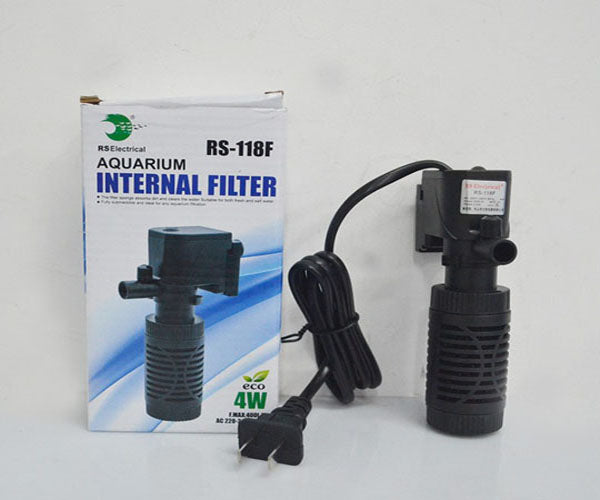
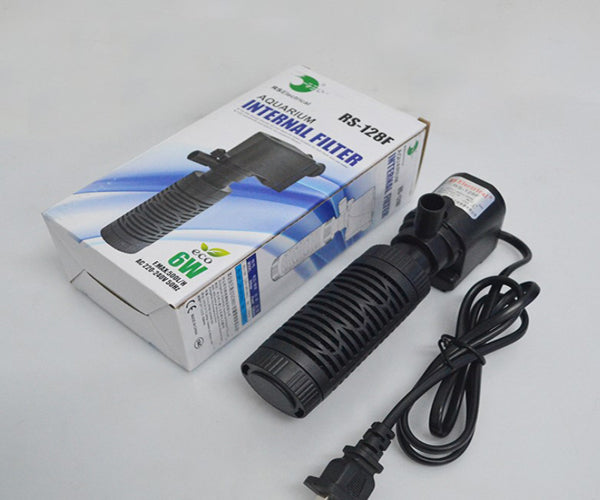
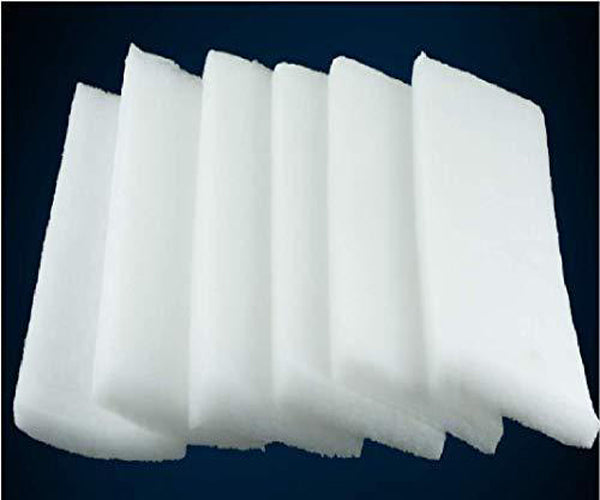
Specifications & Maintenance
Real-world specifications and upkeep:
- Type: reusable open-cell foam mechanical filter media, standard single size
- Power: none — passive media, requires an existing powered filter for flow
- Cleaning frequency: rinse every 1-2 weeks, or sooner if flow through the filter visibly slows
- How to clean: rinse gently in a bucket of removed tank water, not tap water — chlorine/chloramine in tap water kills the beneficial bacteria colonizing the foam
- Replacement: reusable for months; replace once it breaks apart, loses shape, or won't rinse clean any more
Stagger media changes rather than replacing every pad in a filter at once, to avoid wiping out the whole bacterial colony in one go.
- Signs it needs cleaning: visibly reduced filter output, or the housing feels heavier/looks visibly grey-brown through any clear panel
- Signs it needs replacing: the foam tears, crumbles, or stops springing back to shape after squeezing, or a bad smell persists even after rinsing
- Breaking in a replacement: run a new pad alongside the old one for a couple of weeks where the housing allows it, so it picks up bacteria naturally rather than starting the biological cycle cold
- Rinse water temperature: use roughly tank-temperature water where practical rather than very hot or cold tap water, to avoid an extra shock to the colony on top of the squeezing
- Storage: if kept as a spare rather than installed, store dry, clean, and out of direct sunlight, which breaks foam down faster over time
- Never over-squeeze: a firm squeeze in the rinse water is enough — repeatedly wringing the foam hard can accelerate wear and shorten its usable life
- Odour after cleaning: a faint earthy smell after rinsing is normal for an established biological media; a strong rotten-egg or ammonia-like smell is not, and usually means the pad has gone anaerobic in a low-flow spot and needs a more thorough clean or replacement