About & Function
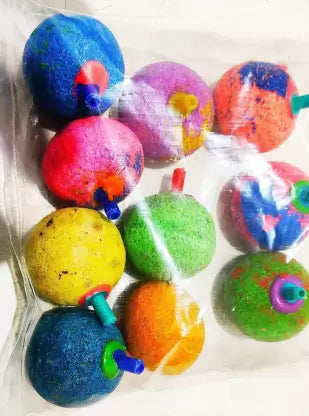
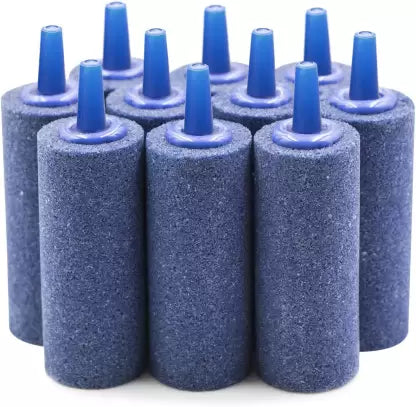
A budget pack of 10 small mineral air stones — compact bubble diffusers that attach to the end of an airline and break pump air into a stream of fine bubbles instead of a few large, noisy ones. Selling in a pack of 10 makes sense for multi-tank setups, or simply for having spares ready, since air stones are a consumable that clogs over time rather than a one-off purchase.
What actually benefits the tank isn't the bubbles on their own — it's the water circulation they create as they rise, pulling lower-oxygen water up to the surface where real gas exchange with the air takes place, plus the visual/audible bubbling many keepers simply like the look and sound of.
These are mineral (rather than sand-bonded or synthetic resin) stones, made from a naturally porous rock material ground and shaped into a small block. Mineral stones are typically the most affordable category of air stone on the market, which is reflected in this pack being sold as a bundle of 10 rather than singly — buyers get enough spares to keep a stone running continuously for a long time, swapping in a fresh one from the pack the moment an old one clogs beyond an easy clean, rather than nursing a single stone along indefinitely or making a special trip for just one replacement.
Typical uses include supplementary aeration in a community tank, driving a simple air-powered sponge filter, providing gentle, fry-safe water movement in a breeding or nursery tank where a strong pump would be too rough, and simply adding a visible, audible bubble feature to a display setup.
Requirements
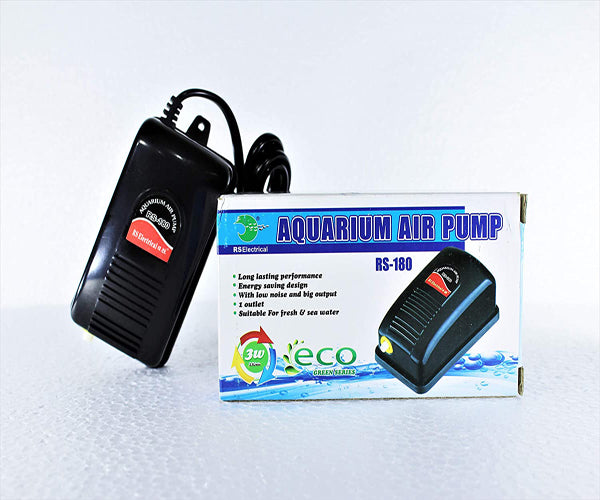
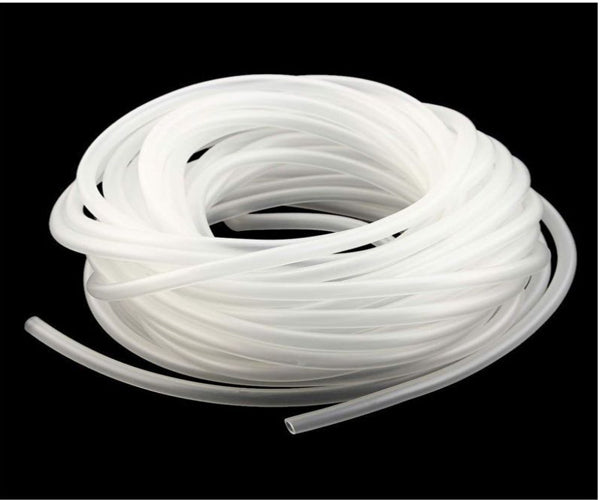
Fully passive — each stone needs its own connection to an air pump via airline tubing to work at all; on its own it does nothing.
Before first use, connect it to the airline and soak it in water for about 15 minutes — this lets water fully penetrate the porous stone so it produces an even stream of fine bubbles from the very first run, rather than a few large, uneven ones.
Being an inexpensive mineral stone, these are best suited to small to medium tanks or as a secondary aerator alongside a filter, rather than as the sole means of heavy-duty aeration in a large, densely stocked setup.
Skipping the 15-minute pre-soak is a common shortcut that noticeably affects first-run performance: an unsoaked stone tends to produce a handful of large, uneven bubbles at first because air is finding the path of least resistance through a few larger pores before the whole porous structure is properly wetted through. Ten to fifteen minutes submerged and connected (with the pump running gently) is usually enough to get an even, fine bubble stream from every pore.
Weight or anchor each stone in place — being small and light, they can drift with strong filter outflow or get nudged around by larger fish, and a stone that's shifted to lie flat on its side or partly buried under substrate will produce noticeably fewer usable bubbles even while still technically connected and running.
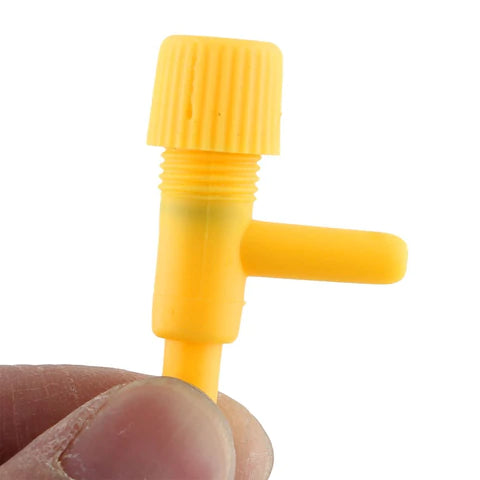
If running multiple stones from the pack off one shared pump, expect total output per stone to drop as more outlets are added — size the pump to the number of stones actually intended to run at once, or fit a gang valve to individually balance flow across several outlets.
Compatibility
Specifications & Maintenance
Real-world specifications and upkeep, per the manufacturer's usage notes:
- Pack contents: 10 mineral air stones
- Power: none — passive diffuser, needs an air pump to function
- Before use: soak connected in water for 15 minutes to prime the porous stone
- Durability: designed for long-term reuse rather than single use
- Cleaning: once it's clogged with dirt or producing noticeably fewer/larger bubbles, wash it (a gentle scrub under running water is usually enough) and it can go back into service
- Replacement: if washing no longer restores a fine, even bubble stream, swap it for a fresh one from the pack
- Deep-clean option: a brief boil in plain water (never soap or detergent, which is hard to fully rinse back out and can harm fish) can loosen stubborn mineral deposits from the pores on a stone otherwise still worth saving
- Typical lifespan: weeks to a few months of continuous running before output visibly coarsens is common, faster in harder water where mineral scale builds up quicker
- Warning signs: a shift from a steady hiss to loud gurgling or sputtering, or the pump sounding like it's working harder than usual, usually means the stone is clogging unevenly and due for a clean or swap
- Storage of spares: keep unused stones from the pack dry and in their packaging until needed, since a damp, unused stone can develop mould in its pores even without ever being connected