
About & Origin
This 1kg pack of black aquarium soil is a substrate built specifically for planted tanks, rather than a purely decorative gravel or sand. Unlike inert substrates, a nutrient-rich planted substrate like this is a functional part of the tank's ecosystem — it typically supplies (or is amended with) nutrients that root-feeding plants draw on directly, and its texture and composition often help buffer water chemistry toward the slightly acidic, softer conditions many popular aquarium plants and soft-water fish naturally prefer.
The dark colour isn't just aesthetic, though it does make fish colours and green plant growth stand out more than a pale substrate would. Dark, fine-grained planted substrates are also generally easier for root systems to establish in than coarse gravel, and their looser structure lets beneficial gas exchange happen around plant roots more readily.
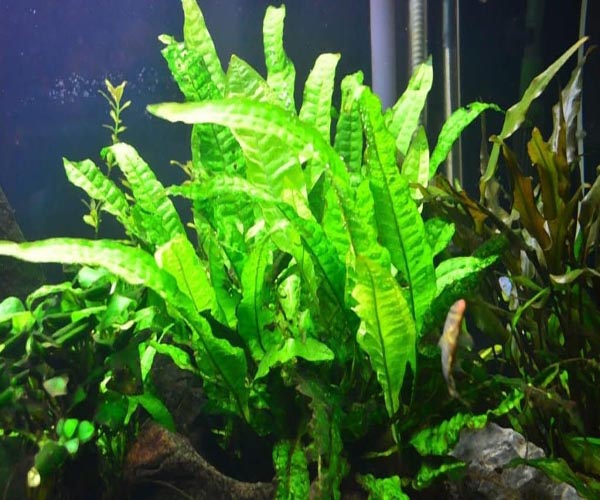
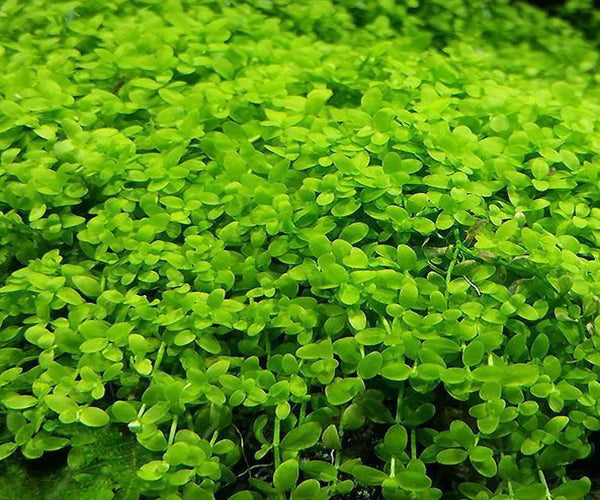
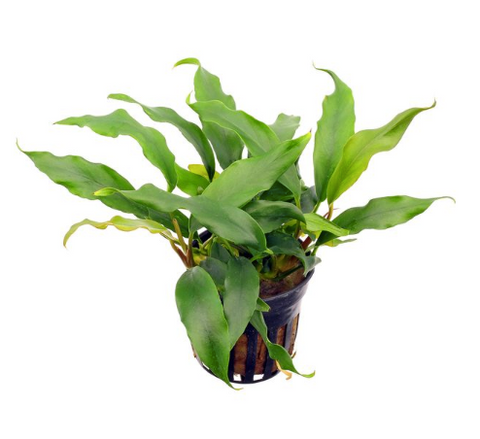
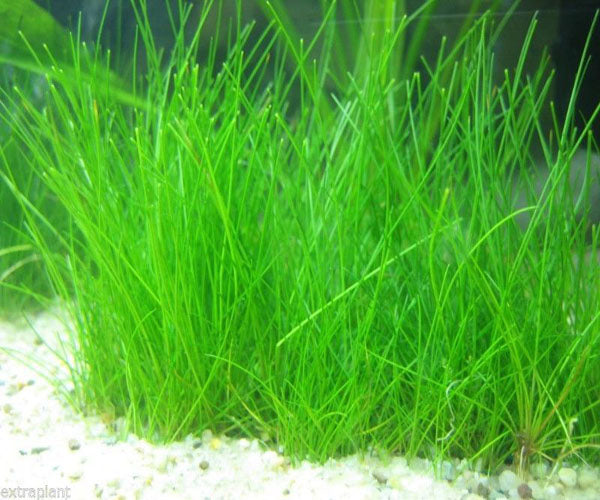
This kind of soil is a deliberate choice for anyone setting up a genuinely planted tank — carpeting plants, stem plants, and root-feeding species like Amazon swords or Cryptocoryne generally establish and grow noticeably better in a purpose-built soil substrate than in plain gravel or sand with no nutrient content.
It's not intended as the sole substrate for a fish-only, no-plant tank, where a simpler inert sand or gravel is usually a more practical and often cheaper choice.
Most planted soils, including this one, are built from a fired or baked clay-based granule rather than raw garden soil — the firing process locks the nutrient content into a stable, slow-releasing form and gives the granules enough structural integrity to hold their shape under water for years rather than dissolving into mud. This is what separates a purpose-made aquarium soil from simply putting potting soil under a gravel cap, an older method that's largely fallen out of favour because it's far less predictable and prone to fouling the water badly if disturbed.
Shrimp keepers in particular often favour a black, buffering soil like this one, since many popular ornamental shrimp do best in the same soft, slightly acidic water this substrate tends to produce.
Requirements
Black aquarium soil needs no power or equipment — the requirements here are about preparation and how it behaves once wet, not electricity.
Rinsing: unlike inert gravel, many nutrient-rich planted soils are NOT meant to be rinsed clean before use in the way sand or gravel typically is — rinsing can wash away the fine particles and nutrients that make it useful in the first place. Check whether this specific soil is a rinse-first or use-as-is type before adding it, since getting this wrong either clouds the water unnecessarily or strips away its benefit.
Initial cloudiness and ammonia: nutrient-rich soils commonly cause some water cloudiness and a temporary ammonia/nutrient release in the first days to weeks after setup as the substrate settles in — this is a well-known, expected phase (sometimes called a "soil spike"), not a sign of a failed setup, but it does mean fish generally shouldn't be added immediately to a freshly soiled tank.
Depth: a typical planted layer is around 4–6cm deep, sloped slightly higher at the back for a more natural aquascape look and to give root systems room to establish.
Compatibility with water chemistry: nutrient soils often soften and acidify water somewhat over time — this suits many popular plants and soft-water fish well, but is worth knowing if you're keeping species (like livebearers or African cichlids) that prefer harder, more alkaline water.
Quantity needed: as a rough guide, a 1kg bag covers a relatively small footprint at typical planted depth — for anything beyond a small nano tank, budget for multiple bags rather than assuming one will be enough, since running out partway through aquascaping a larger tank means either an uneven substrate depth or a delayed second order.
New vs. established tank: this substrate is meant to be laid dry, before filling the tank with water, and filled slowly (pouring over a plate or plastic bag to break the water's fall) to avoid clouding and disturbing the layer you've just arranged.
Compatibility
Specifications & Maintenance
Once established, a planted soil substrate needs relatively little ongoing attention, but a few points matter:
- Initial settling period: expect some cloudiness and elevated ammonia/nutrients in the first 1–3 weeks — test water before adding fish, and be prepared for extra water changes during this window rather than stocking immediately.
- pH and hardness drift: monitor pH and hardness periodically, especially early on, since nutrient soils commonly pull both downward (softer, more acidic) compared to tap water — this is often desirable for planted tanks but worth tracking rather than assuming.
- Gentle substrate disturbance: avoid deep, aggressive substrate vacuuming the way you would with plain inert gravel — this can release built-up nutrients and cloud the water; light surface debris removal is usually enough.
- Root tab supplementation: as the soil's initial nutrient charge depletes over months to a year or more, root tabs pushed near heavy root-feeders can extend its usefulness rather than needing a full substrate replacement.
- Longevity: most nutrient-rich planted soils remain functional substrate for a year or more, with nutrient content gradually declining over that time even as the physical substrate itself remains in place.
- Avoid mixing with plain gravel on top: capping with a thin layer of inert sand is sometimes done for aesthetics, but a thick inert cap can reduce the soil's ability to interact with the water column above it — check what look you want against how it may affect performance.
Handled with an expected settling-in period and periodic monitoring, this substrate supports strong plant growth for a long time after setup, and is one of the more worthwhile upgrades for anyone serious about a planted tank.
If you need to redo the aquascape: unlike sand or gravel, disturbed soil granules can break down slightly with repeated handling, so treat major rescapes as an opportunity to top up with fresh substrate in heavily reworked areas rather than expecting the original granules to hold their exact shape indefinitely through multiple full teardowns.