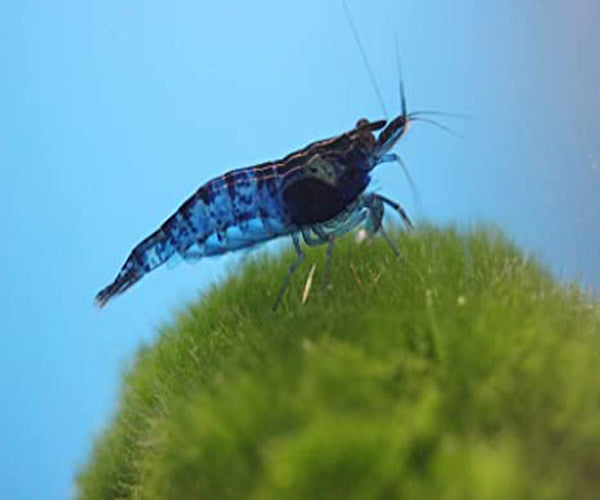
About & Origin
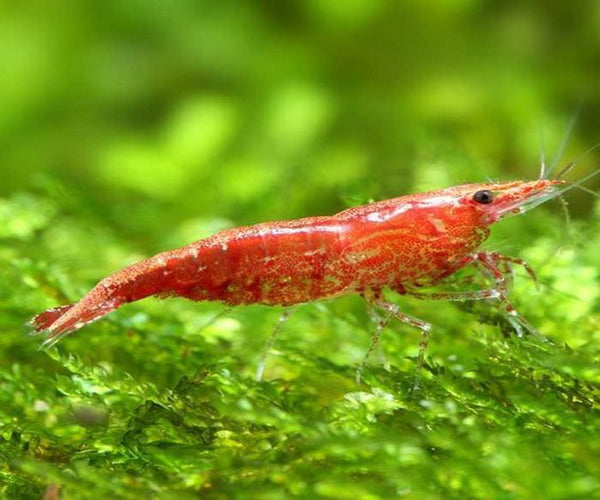
The Blue Shrimp sold in the freshwater aquarium hobby is a colour-bred variety of the dwarf shrimp Neocaridina davidi — commonly marketed as "Blue Velvet" or "Blue Dream" shrimp — selectively bred over many generations from the same wild stock as the widely kept Red Cherry Shrimp for a solid, opaque blue body colour instead of red. Like all Neocaridina, the wild ancestor comes from freshwater streams in Taiwan and parts of mainland Asia, where it grazes constantly over algae-covered surfaces, plant matter, and biofilm.
These are small, peaceful, entirely harmless shrimp — adults reach only around 2.5–4 cm (roughly 1–1.5 inches) — that spend their time picking over every surface in the tank: substrate, decor, plant leaves, and glass, functioning as a constant, low-key cleanup crew as much as an ornamental addition.
Blue Shrimp breed readily in a stable, mature tank, and a small starting colony will often grow into a self-sustaining population without any special intervention, making them a popular choice for planted and nano tanks alike. Females carry developing eggs visibly under their abdomen (often called being "berried") for several weeks before releasing fully-formed miniature shrimp, rather than a larval stage that needs special rearing conditions — one of the reasons Neocaridina shrimp are considered an easy species to breed compared to many other invertebrates.
Colour intensity in Neocaridina shrimp can vary noticeably with the shrimp's mood, health, background colour of the substrate/decor, and even recent moulting — a shrimp can look markedly paler or more washed-out shortly after shedding its shell before deepening back to full colour over the following days, which is a normal part of its growth cycle rather than a sign of illness.
Requirements
Dwarf shrimp are easy to keep once their few real sensitivities are understood, but they are considerably less forgiving of water quality mistakes and certain chemicals than most community fish, and a bit of extra care at setup pays off.
Tank size: comfortable in nano setups from around 10–20 litres upward for a small colony; more established, larger, planted tanks support bigger and more stable populations over time, with less risk of a sudden parameter swing wiping out the group.
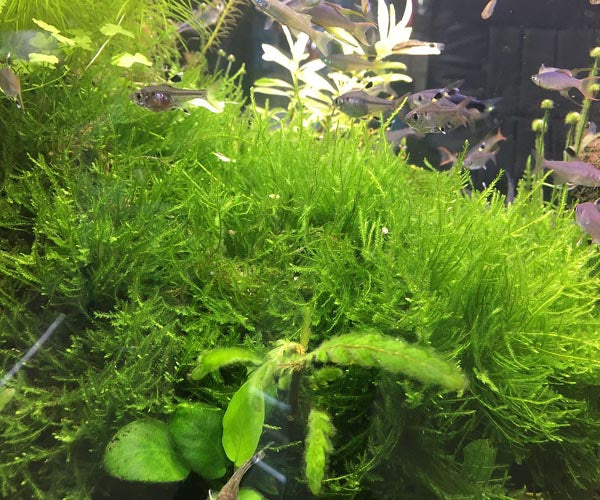
Cover and grazing surface: dense planting, moss (such as Java moss), and driftwood give shrimp both grazing surface and places to hide, especially right after moulting, when their new shell is briefly soft and they're at their most vulnerable to both predation and physical damage.
Copper sensitivity: copper is lethal to shrimp even in very small doses and is a common ingredient in many fish medications, some algae treatments, and in tap water from copper plumbing — always check the ingredients of any medication or additive before dosing a tank that houses shrimp, and be cautious about medicating a mixed fish-and-shrimp tank at all.
Stability over perfection: shrimp are more sensitive to sudden swings in water parameters than to the exact parameters themselves — a stable, mature, fully cycled tank matters far more to their long-term survival than chasing one specific "ideal" number.
Diet: omnivorous grazers that will find much of their own food naturally on tank surfaces — biofilm, algae, and detritus — supplemented lightly with algae wafers, blanched vegetables, or dedicated shrimp food, fed sparingly since overfeeding fouls water quickly in a small tank.
Acclimation: shrimp are noticeably more sensitive than most fish to sudden changes in water chemistry when first introduced, so a slow drip acclimation over an hour or more (rather than simply floating and releasing the bag) meaningfully reduces stress and post-introduction losses, especially if the source water differs much from the destination tank.
Compatibility
Water & Care Conditions
Blue Shrimp are hardy within a defined range but genuinely sensitive to instability and certain chemicals outside it:
- pH: 6.5–7.5
- Hardness (GH): moderate, roughly 6–8 dGH — Neocaridina shrimp need some mineral hardness for healthy shell/exoskeleton development, unlike some softer-water Caridina species
- Temperature: 20–26°C (68–79°F); avoid the higher end of typical tropical tank temperatures, as Neocaridina do best kept on the cooler side
- Oxygenation / water quality: shrimp are notably more sensitive to ammonia, nitrite, and copper than fish — only add them to a fully cycled, mature tank
A weekly partial water change of around 10–20%, done gently to avoid sudden parameter shifts, is a sensible routine for a shrimp tank — sudden, large water changes are a more common cause of shrimp losses than most other single mistake in the hobby. A sponge filter or a filter intake fitted with a fine guard is also worth using, since shrimp (especially young ones) can be pulled into an uncovered standard filter intake.
A mature tank with an established biofilm layer on surfaces (decor, driftwood, plant leaves) genuinely benefits Blue Shrimp beyond just providing food — it also indicates the kind of stable, cycled environment they need to thrive, which is why shrimp are usually added only after a tank has been running and stable for some weeks, rather than during the initial cycling period when ammonia and nitrite are still fluctuating.
Note: the pre-existing product description on this page (describing a shrimp reaching 27.5 cm/10.75 inches) does not match the dwarf ornamental shrimp actually pictured and sold here — that figure appears to describe an unrelated, much larger species and should be disregarded in favour of the sizing above.