About & Origin
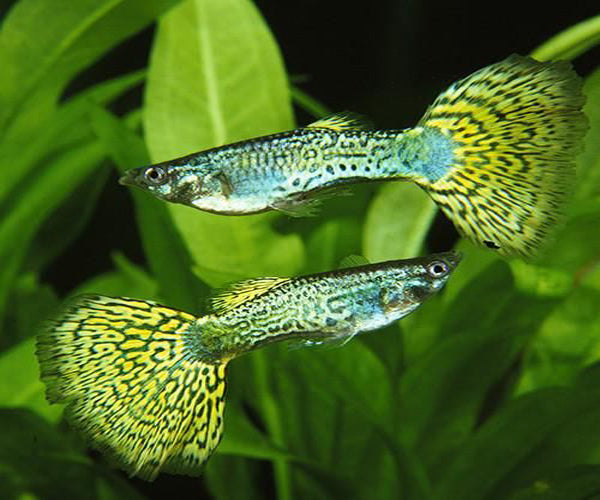
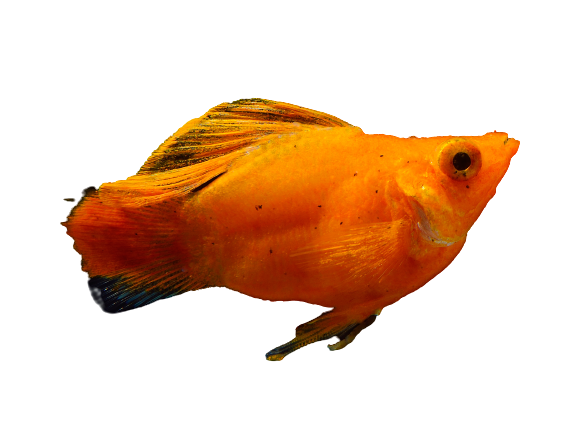
The Cobra Tail Guppy is a fancy guppy strain (Poecilia reticulata) prized for the snakeskin-like reticulated pattern across its body and tail, which gives the strain its name. Wild guppies originate from streams, ponds, and coastal waters across Venezuela, Trinidad, Guyana, and northern Brazil, where they're famous for thriving in an enormous range of water conditions.
In the wild, guppies live in shallow, warm, often nutrient-rich water and are famous among biologists for how fast they adapt to local conditions — including to predators, which has made them one of the most studied fish in evolutionary biology. In the aquarium hobby, that same adaptability is exactly what makes guppies such a reliable beginner fish.
The Cobra Tail Guppy strain sold here is bred and raised for the aquarium trade specifically for its coloring and finnage; its care, temperament, and water needs are identical to any other guppy variety.
fishykart.com ships healthy, actively-colored stock, not fish pulled straight from a wholesale feeder tank.
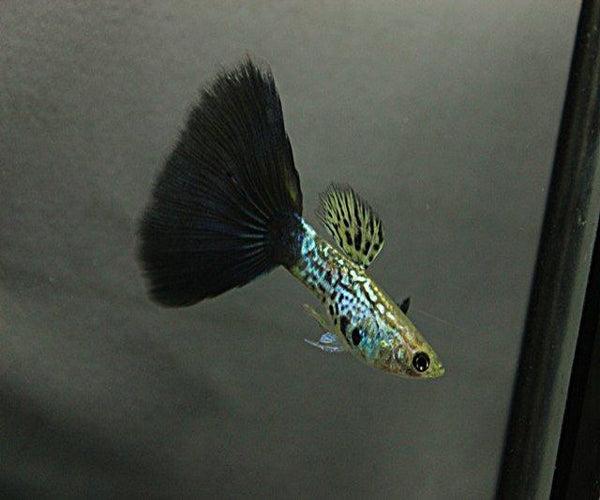
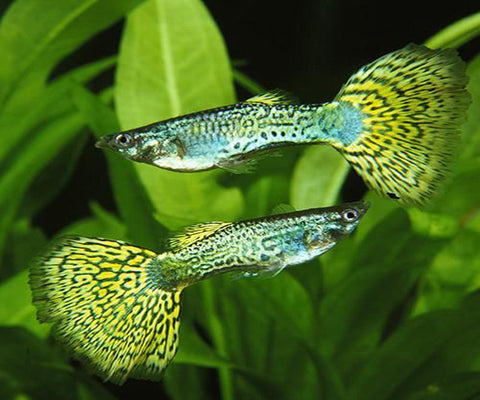
"Cobra" patterning is one of the more genetically complex guppy traits in the hobby -- the interlocking, snake-scale-like markings extend across the body and often well into the tail and dorsal fin, unlike simpler solid or two-tone strains where colour is confined to fewer areas. Breeders selectively pair fish with the most complete, high-contrast reticulation to intensify the pattern generation over generation, which is why line quality varies noticeably between different Cobra strains sold in the trade -- denser, more continuous patterning across a larger fin area is generally considered the higher standard. Base body colour under the reticulation also varies by line, from silvery-grey to yellow or green-gold undertones, which shifts how warm or cool the overall pattern appears.
Requirements
What sets this strain apart is entirely visual, so the setup advice below leans on showing the reticulated pattern off well, on top of standard guppy husbandry.
Substrate and background: the snakeskin pattern reads much more clearly against a darker substrate and background than a pale or brightly-lit bare tank — a black or dark-gravel setup makes the reticulation pop far more than a white-sand one does.
Tank size and grouping: 10 gallons (38 litres) or more for a group, around 2 litres per adult once filtration and other stock are counted. Keep 6 or more together; a solitary guppy is both less interesting to watch and more stressed than one in a shoal.
Sex ratio: males pursue females constantly. A female-only or female-heavy (2-3 females per male) group avoids nonstop harassment and an ever-growing fry count.
Diet: flake or micro-pellet as a base, with brine shrimp or daphnia added for conditioning and colour saturation — the pattern itself won't change with diet, but overall vibrancy will.
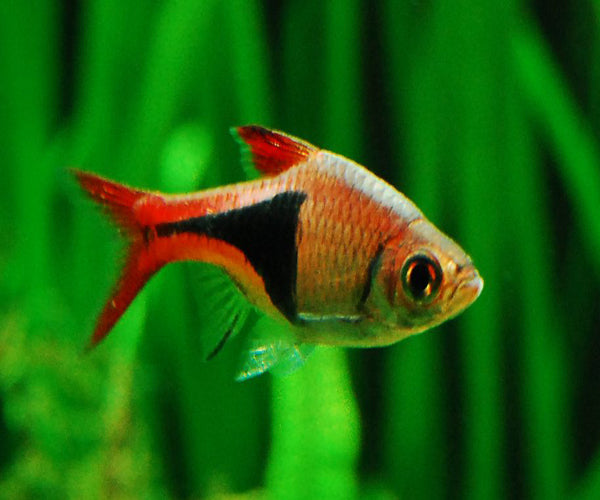
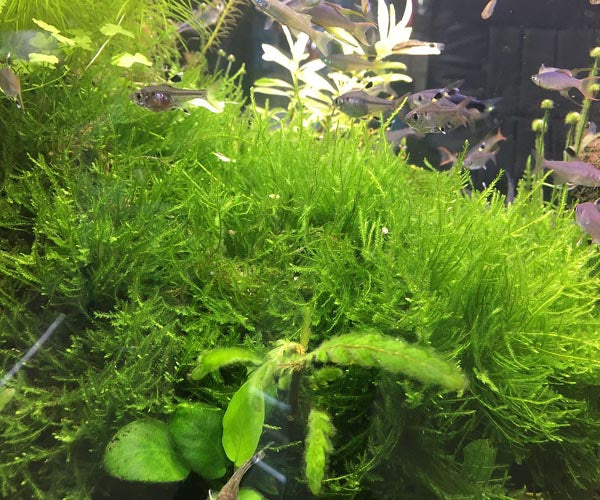
Fry cover and security: dense or floating plants (java moss, duckweed, hornwort) give newborns somewhere to hide from adults, and a snug lid matters since guppies jump when startled.
Breeding: fry arrive roughly every 4-6 weeks once a female matures, in broods of a handful up to 30+ depending on her condition and size — expect the population to grow steadily unless you manage sex ratio or rehome fry regularly.
Pattern stability across generations: if you plan to breed rather than just keep this strain, be aware that reticulated patterns like Cobra can vary noticeably between siblings in the same brood, especially when crossed with other strains -- expect a range of pattern quality rather than every fry looking identical to the parents, which is normal for this kind of complex trait rather than a sign of poor stock.
Compatibility

Water & Care Conditions
- pH: 6.8–7.8
- Salinity / hardness: freshwater, moderately hard (10–20 dGH); tolerates a light dose of aquarium salt
- Temperature: 24–28°C (75–82°F), strictly tropical
- Oxygenation: moderate surface movement is plenty; avoid stagnant water
Guppies handle a range of parameters fine as long as they're stable — sudden swings in pH or temperature cause far more stress than sitting a little outside the "ideal" numbers above. For this pattern specifically, watch for the reticulation fading or looking washed-out, which is often one of the first visible signs of a water-quality problem before the fish shows other symptoms.
Weekly water changes of 20-25% keep both colour intensity and finnage in good shape, and reduce the odds of fin rot or ich, which are usually linked to inconsistent conditions rather than being unavoidable. Acclimate newly arrived fish slowly (a 20-30 minute drip) rather than releasing them straight into different water, since that mismatch is a common cause of early losses.
Captive-bred guppy stock like this copes reasonably well with ordinary dechlorinated tap water once it's broadly in range — the figures above are a target for the best pattern contrast and vigor, not a strict survival threshold. Guppies kept in stable, well-maintained water typically live 2-3 years.
Lighting also plays a real role in how the pattern reads day to day: moderate, consistent lighting brings out the reticulation better than very dim tanks (where the pattern can look muddy) or harshly bright ones (which can wash it out visually even though the fish itself is unaffected). A planted tank with typical community-tank lighting is usually the sweet spot without needing to buy anything specialised, and a dark substrate helps the pattern read clearly against the background as the fish moves.