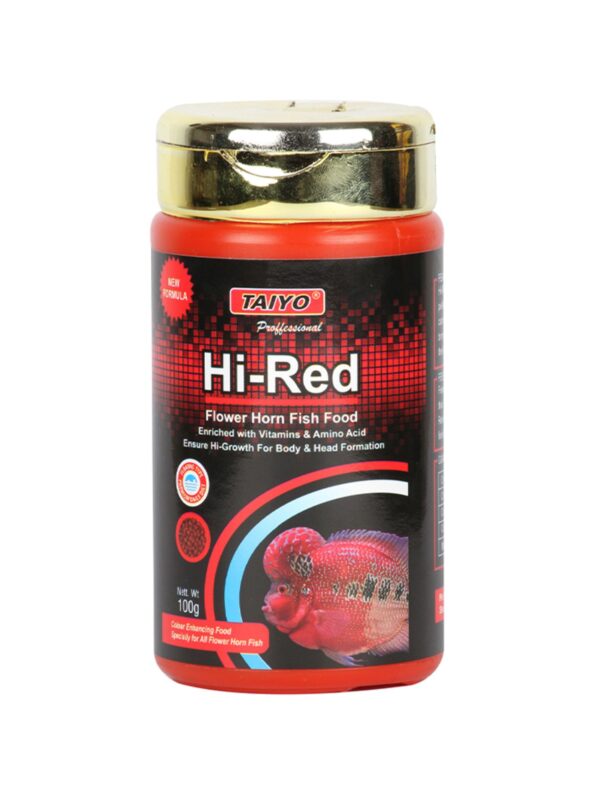
About
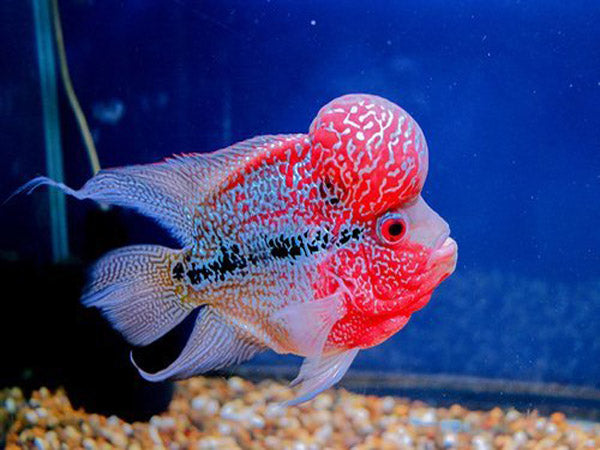
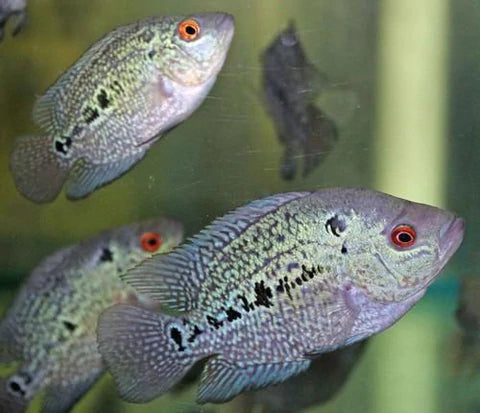
This is a standard pack of food formulated specifically for flowerhorn cichlids — a large, hybrid, highly territorial ornamental cichlid prized for its bold colour and, in many strains, a pronounced head hump (nuchal hump). Flowerhorn foods are typically higher in protein than a general community fish food, reflecting the species' predatory, carnivorous feeding habits in captivity.
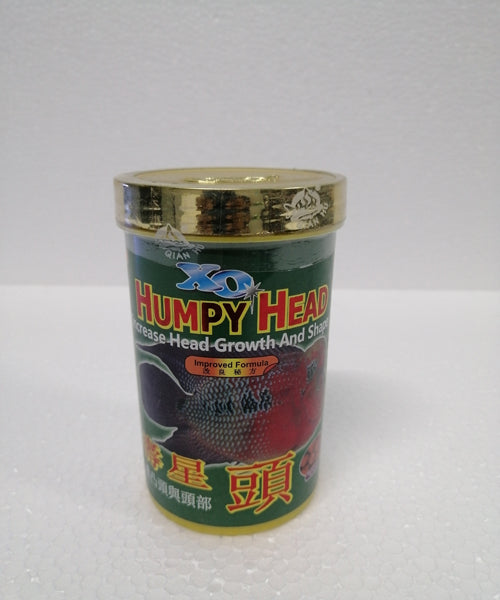
Many flowerhorn foods also include colour-enhancing ingredients such as natural carotenoid sources (spirulina, astaxanthin, or similar), since vivid colour is a major part of what makes a flowerhorn desirable as a show fish. Some formulations also include supplements aimed at supporting the growth of the nuchal hump ("kok") that flowerhorn keepers particularly prize, though genetics and age play at least as large a role in hump size as diet does.
As large, active cichlids, flowerhorns have correspondingly large appetites, and a dedicated flowerhorn food is built to support their fast growth and high energy needs rather than the more modest requirements of small community fish.
Taiyo, the brand behind this particular food, is a well-established name in the Southeast Asian flowerhorn-keeping community, where the hobby of raising and showing flowerhorns is especially popular — the "Hi-Red" formulation referenced on the packaging is aimed specifically at intensifying red pigmentation in strains bred for that colour trait.
Requirements
Feed according to the fish's size — juveniles need more frequent, smaller feedings while adults typically do well on one to two larger feedings a day. Flowerhorns are enthusiastic, sometimes food-driven fish, so portion control (not letting them convince you to overfeed) matters for long-term health.
Because flowerhorns are messy, heavy-bioload fish, strong filtration and a feeding routine that avoids excess uneaten food are important — leftover high-protein food breaks down quickly and fouls water faster than plant-based foods. Most flowerhorns are also kept alone (they're highly territorial toward other fish, including their own species), so feeding is typically straightforward without the competition dynamics of a community tank to account for.
Store in a sealed, dry container; like most protein-rich foods, the fat content can turn rancid faster than a plain flake food once opened and exposed to air.
Colour-enhancing ingredients like astaxanthin and spirulina work gradually over weeks of consistent feeding rather than producing an overnight change — expect visible colour improvement to build up over a month or more of regular use rather than immediately after switching foods.
Pellet size matters for a fish with a large mouth and a strong feeding response — a size too small forces excessive gulping, while checking the packaging for the right size range relative to the fish's current length is worth doing rather than assuming any flowerhorn pellet suits any flowerhorn size.
Compatibility
Feeding Guidelines
Flowerhorns are large, active eaters, so portioning to their size and feeding schedule matters:
- Feeding amount: size-appropriate portions, 1–2 times daily for adults, more frequent small feedings for juveniles
- Protein focus: higher-protein formula reflecting flowerhorns' carnivorous, predatory diet
- Storage: sealed, cool, dry place; discard if it smells rancid
- Shelf life: best used within a few months of opening
- Colour results: visible improvement from colour-enhancing ingredients builds up gradually over several weeks of consistent feeding, not overnight
- Watch water quality: flowerhorns' large appetite and high-protein diet mean strong filtration and prompt removal of uneaten food matter more than with smaller, lighter-feeding fish
- Variety: alternating pellet food with occasional live or frozen treats (shrimp, bloodworm) gives a closer match to a flowerhorn's naturally varied predatory diet
- Pellet size: match the pellet size to the fish's current length rather than assuming one size fits all growth stages
- Solo feeding: most flowerhorns are kept alone, so feeding is typically straightforward with no competition from tankmates to manage
- Brand consistency: switching brands abruptly can trigger a temporary appetite dip in a fussier fish — mixing old and new food for a short transition period tends to go more smoothly
- Container check: discard if the pellets clump, smell off, or show any sign of moisture damage, which point to spoilage even within the stated shelf life