Customer Reviews
About & Origin
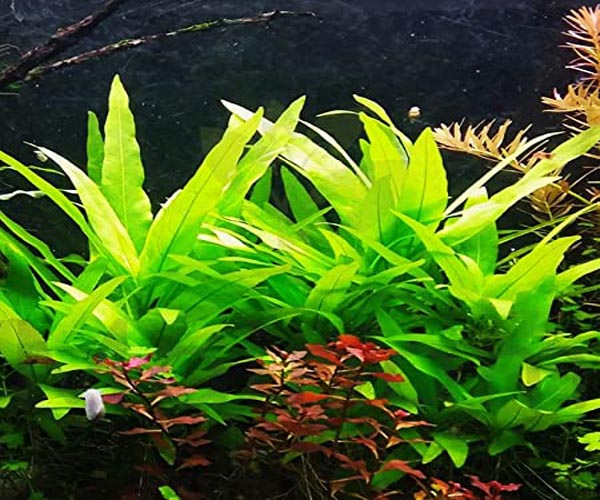
Hygrophila is a genus of popular freshwater aquarium stem plants, comprising around 80–100 species of flowering plants in the acanthus family, most of them aquatic or semi-aquatic, distributed across the tropical and subtropical world — with a strong concentration of aquarium-trade species native to South and Southeast Asia.
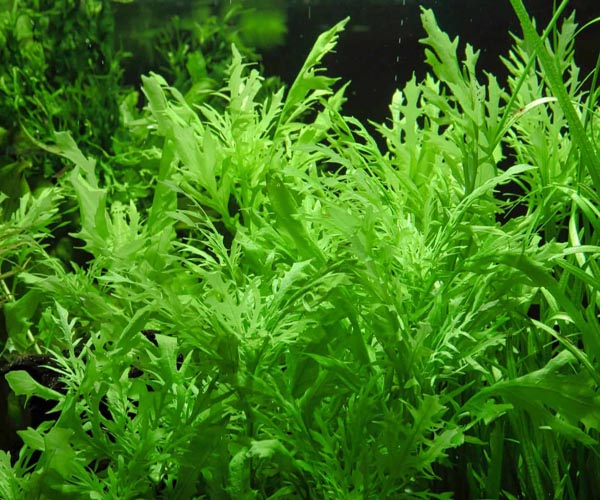
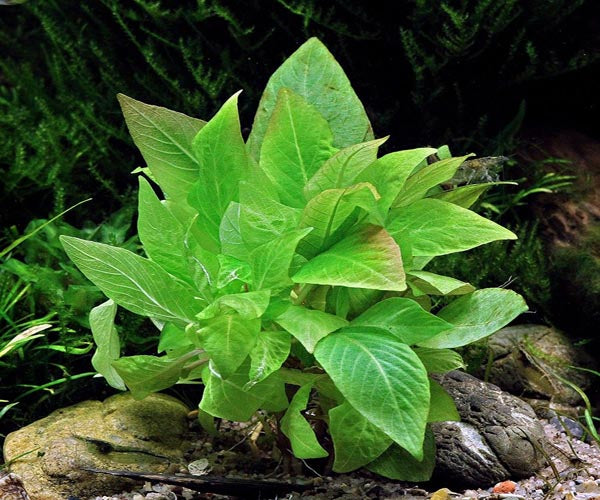
Members of the genus share a family resemblance: an upright stem lined with paired leaves, a fast, easy growth habit, and the ability to grow either fully submerged underwater or emersed with leaves above the waterline. It's one of the most widely used groups of background stem plants in the hobby precisely because most species in it are so undemanding.
This particular listing is a Hygrophila variety grown and supplied for the aquarium in the same way as its better-documented relatives (water wisteria, dwarf hygrophila, and others) — expect the same general upright, fast-growing stem-plant character.
Because Hygrophila as a genus tolerates such a wide range of conditions and grows so readily from cuttings, several of its species have become established as invasive weeds outside their native range in parts of the world, a reminder of just how undemanding these plants genuinely are in a home aquarium by comparison. It's one of the most widely used groups of background stem plants precisely because it grows quickly enough to establish a tank fast, without the fussy light or CO2 demands of many more specialised species.
Requirements
As with most Hygrophila species, this plant is generally easy-going and well suited to a wide range of setups.
Light: low to moderate light supports steady growth; more light will generally speed growth and keep the stem more compact.
CO2 and nutrients: not required for basic growth — most Hygrophila species do fine in low-tech tanks — though both supplemental CO2 and root/liquid fertiliser typically improve density and colour.
Water flow: moderate flow around the stems helps prevent fine leaves from collecting debris, but excessive current can damage delicate new growth, so aim for gentle circulation rather than direct blast from a filter outlet. A nutrient-rich substrate or root tabs beneath the base of the stems support stronger, denser growth over time than water-column dosing alone.
Planting: root as a background or midground stem plant in nutrient-rich substrate; trim and replant the tops regularly, which is how bunch/stem plants are kept looking full rather than leggy over time.
Propagation: cut healthy stem sections and replant — Hygrophila roots readily from cuttings.
Placement: works well as a background plant in most layouts, providing quick cover and visual density behind slower-growing foreground species while the tank matures. Spacing individual stems a few centimetres apart when first planting gives room to bush out rather than immediately competing for light.
Compatibility
Water & Care Conditions
Typical of the genus, this plant tolerates a fairly wide range of freshwater conditions:
- pH: 6.0–7.8
- Hardness: soft to moderately hard, roughly 2–15 dGH
- Temperature: 22–28°C (72–82°F)
- Light: low to moderate is generally sufficient
Most Hygrophila species are forgiving of typical community-tank conditions without special water adjustments. Yellowing or thin, pale new growth is usually a nutrient or light signal rather than a water-chemistry problem, and responds well to a root tab or liquid fertiliser and, if possible, a touch more light. Regular trimming keeps the stems from becoming leggy and encourages fuller, bushier growth from lower on the plant. As with most fast stem plants, growth rate itself is a useful health indicator -- a healthy specimen in suitable conditions will visibly gain height and new leaf pairs within a week or two of planting. Stunted or absent new growth over several weeks is worth investigating as a light, nutrient, or CO2-related issue rather than assumed to be normal dormancy. Given how easily it propagates, most keepers end up with more Hygrophila than they started with well before they run out of tank space to put it, and trimmings can be shared with other tanks or simply composted rather than wasted.