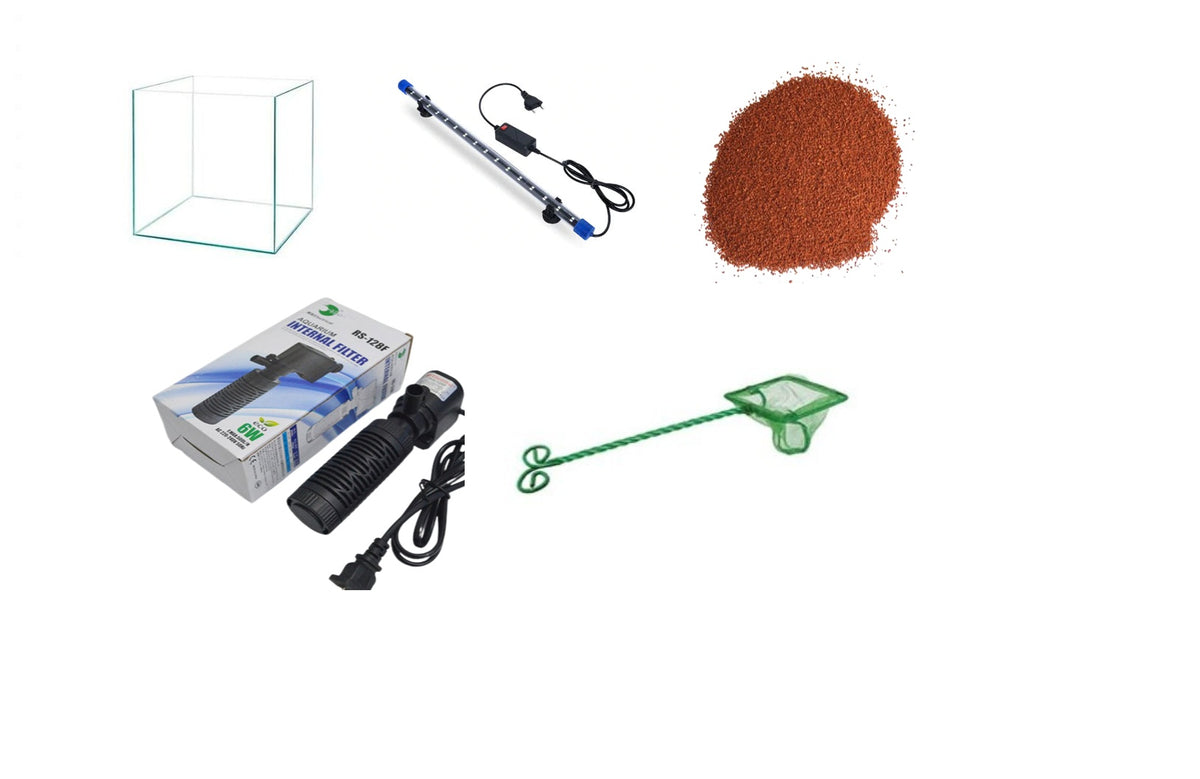
About This Combo
This combo is built around a 1-foot (roughly 30 x 30 x 30cm) glass aquarium, bundled with a set of starter accessories to make it easier to get a first tank running without piecing everything together from separate purchases. A 1-foot cube like this holds in the neighbourhood of 25-27 litres depending on glass thickness and exact dimensions -- a genuine small-to-nano tank size, well suited to a modest, carefully-chosen stock rather than a full community setup.
Glass aquariums of this size are popular as a first tank, a desk/office tank, or a dedicated single-species/betta setup, since they're compact enough for most spaces but still large enough to hold a stable, cyclable body of water -- a real step up in stability over a bowl of a few litres.
As with any bundled tank kit, the exact accessories included can vary by batch; buyers should treat this as a genuine starter kit and expect to still need a few basics (a water conditioner, and ideally a small filter and heater if not already included) to run it properly long-term.
The appeal of a size like this is that it's genuinely large enough to hold a stable water chemistry -- much more forgiving than a bowl of a few litres -- while still fitting comfortably on a desk, shelf, or side table, making it a common choice for a first "real" tank rather than a bowl.
The cube shape (roughly equal length, width, and height) also gives more usable floor and swimming space relative to its footprint than a long, shallow tank of similar volume, which is part of why this format is popular for nano planted layouts and single-fish showcases where the viewer looks at the tank from one main side.
Requirements
Even a compact 25-27 litre tank needs a stable, level, weight-rated surface -- water weighs roughly 1kg per litre, so a full 1-foot tank plus substrate and decor is a genuine 25-30+ kg once filled, more than it looks like empty. Keep it away from direct sunlight to limit algae growth and out of drafty spots or right next to heating/cooling vents, which can cause temperature swings.
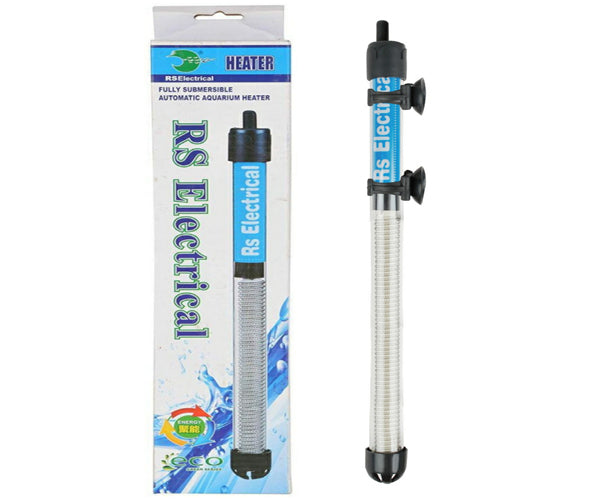
Before adding any fish, the tank needs to be cycled -- filled, filtered (if a filter is included or added), and left running for one to several weeks to build up the beneficial bacteria that process fish waste safely. Skipping this step is the single most common reason new fishkeepers lose fish in their first weeks. If the combo doesn't include a filter and heater, both are worth adding separately for anything beyond the hardiest coldwater species.
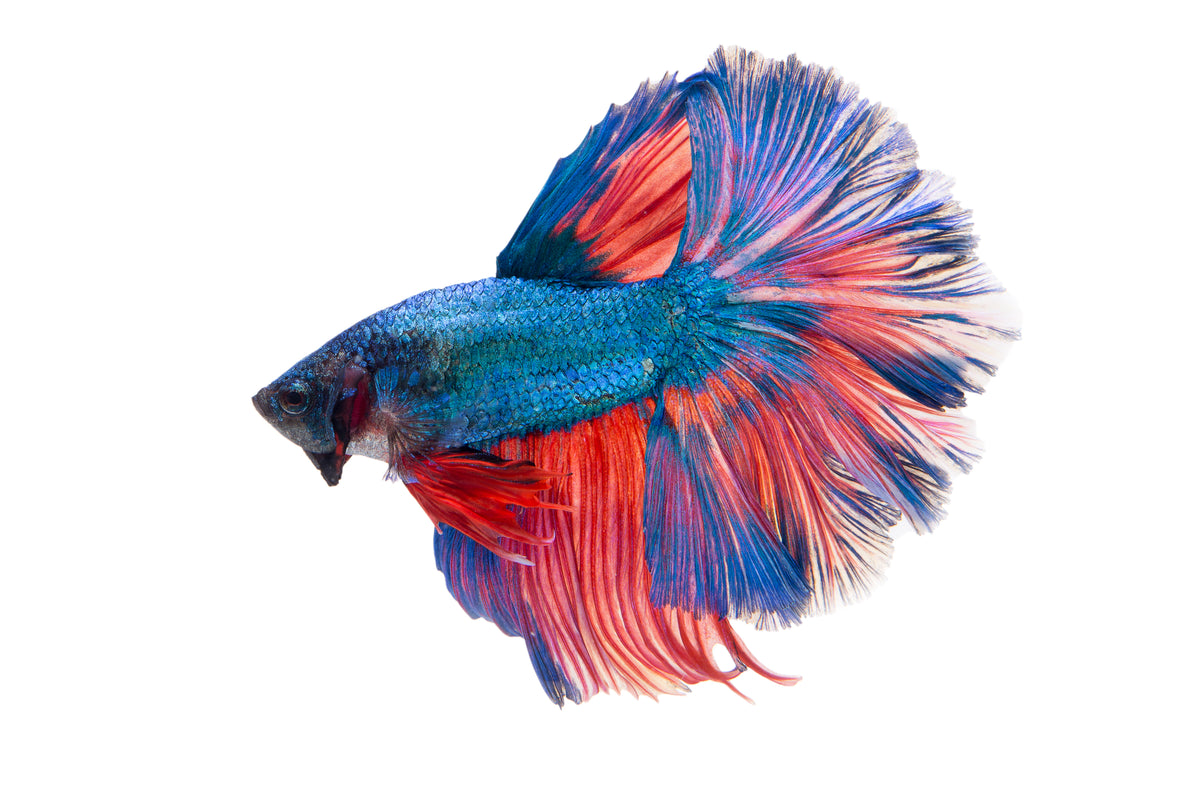
At this volume, realistic stocking is modest: a single betta, a small group of nano fish (a handful of small tetras or similar), or a few shrimp -- not a full community of larger community fish, which need more swimming room and a larger water volume to stay stable.
A water conditioner to neutralise chlorine/chloramine in tap water is a cheap, worthwhile add-on if not already included -- untreated tap water is directly harmful to fish gills, and this is one of the most common oversights among first-time buyers setting up a new tank.
Lighting is worth thinking about separately from the tank kit itself: a basic light is enough to view fish comfortably, but a genuinely planted setup benefits from a purpose-made aquarium light with enough intensity to support plant growth, which not every bundled "starter" light is designed to provide.
Compatibility

Setup & Maintenance
A tank this size is easy to run once cycled, but benefits from a bit more attentiveness than a larger tank simply because there's less water to buffer against sudden changes.
- Cycling: run the tank fishless for 1-4+ weeks (with a filter, if included) before stocking to establish the nitrogen cycle
- Water changes: weekly partial changes of 20-30% are a sensible baseline for a tank this size, more often if stocking is on the heavier side
- Cleaning: wipe glass with an aquarium-safe algae pad or scraper, never household glass cleaner, which is toxic to fish
- Placement: away from direct sun and draughts, on a level, stable surface rated for the filled weight
- Stocking pace: add fish gradually rather than all at once, giving the young bacteria colony time to keep up with the added waste load
- Testing: a basic liquid or strip water test kit helps confirm the cycle is complete (ammonia and nitrite at zero) before the first fish go in
- Temperature stability: smaller volumes swing in temperature faster than larger tanks -- keep the tank away from direct sun, cold windows, and heating/cooling vents
- Filter media care: if the combo includes a small filter, rinse (don't fully replace) the biological media in old tank water during maintenance to avoid wiping out the beneficial bacteria it's carrying
- Long-term view: a small tank isn't inherently harder to keep than a large one once cycled and stocked appropriately, but it leaves less margin for neglect -- consistency matters more here than in a bigger, more forgiving volume
- Evaporation: in a small volume, evaporation can noticeably raise mineral concentration over a week or two -- top off with fresh dechlorinated water between full water changes rather than letting the level drop and concentrate